Dukkah Cream Cheese Balls

 
Delicious Dukkah and Beautiful Bottle

Since discovering you can make yogurt and cream cheese from UHT (long life) milk, my life has changed!  I´m making them both all the time now and enjoying experimenting with flavours and textures.

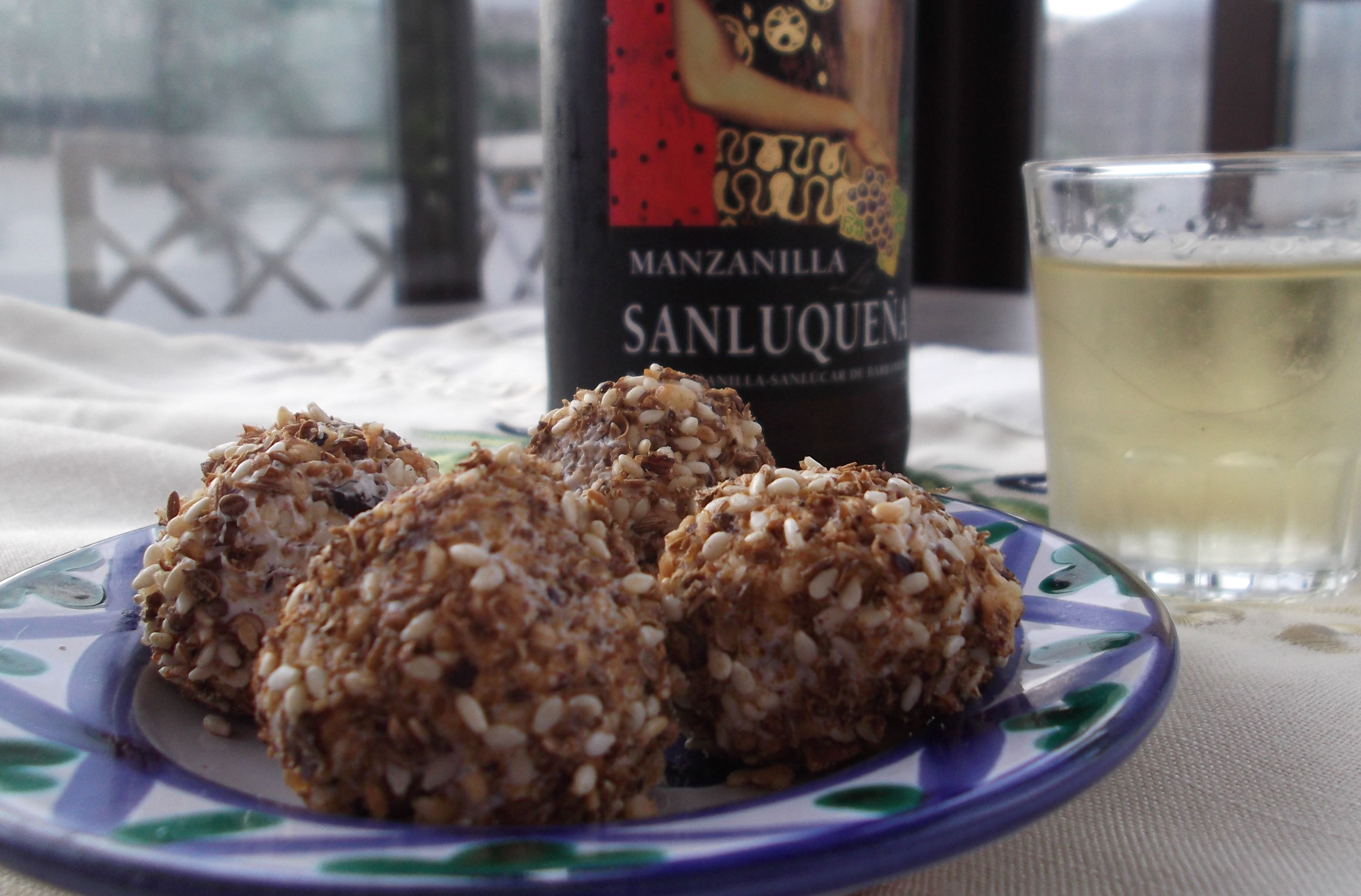
Sawsan over at Chef in Disguise commented that in the Middle East they would strain the cream cheese for even longer then roll it in zaatar and drizzle with olive oil.  I decided to give this a go but inadvertently used dukkah instead.  A lucky mistake!

The cheese was drained for 3 days and was pretty firm and easy to handle.  I added salt to it and then made balls about the size of small walnuts and rolled them in the dukkah. Having said that, they look the size of tennis balls in the photo!

I served them with a delicious chilled Manzanilla which comes from the area which produces most of Spain´s dry “sherries” (as we would know them), around Jerez and Cadiz.  The gorgeous bottle which you see in the photo comes from a town called Sanlúcar de Barrameda which is famous for hosting horse races on its long sandy beach during August over two weekends.  The very low tide which happens at this time of year allows the horses to thunder down the beach over a couple of evenings.

Horses racing along the shore line

Big Man and I went last year for the first time.  It´s all very exciting and the best bit for me was to see all the young children on the beach in makeshift huts which they decorate themselves, taking bets!  I´m sure it wouldn´t be allowed anywhere else, but it´s all good fun with plenty of eating and drinking going on all day before the races, and long into the night afterwards.

Kiddies taking bets!

We didn´t make a fortune, in fact we lost, but we had a fantastic time.  The photos aren´t great as it all happens so very quickly, but you get an idea of the atmosphere.

If you can´t make it to Sanlúcar, make yourself some of these tasty little appetisers, pour a glass of something cool and delicious and put the horse racing on the tv!

It´s Chumbo time – Prickly Pears are here!


For anyone not in the know about prickly pears, or chumbos as they are called here, check out my chapter Swimming Pools and Prickly Pears…you´ll be enlightened.

We love prickly pears, such a delicious fruit with a super short season of about 6 weeks. Collecting them probably classifies as a dangerous sport, and the old men seem to be the experts as this.  Finding the ideal patch of prickly pears can be as closely guarded a secret as where to find truffles.

I guess they are an acquired taste, but if you do ever find them (ready prepared or not) I can highly recommend them.

Big Man and I count the days until the first sighting of prickly pears which are turning from green to a blush pink.  An early morning start is recommended, as the prickles are less “prickly” having been softened in the cool of the night.

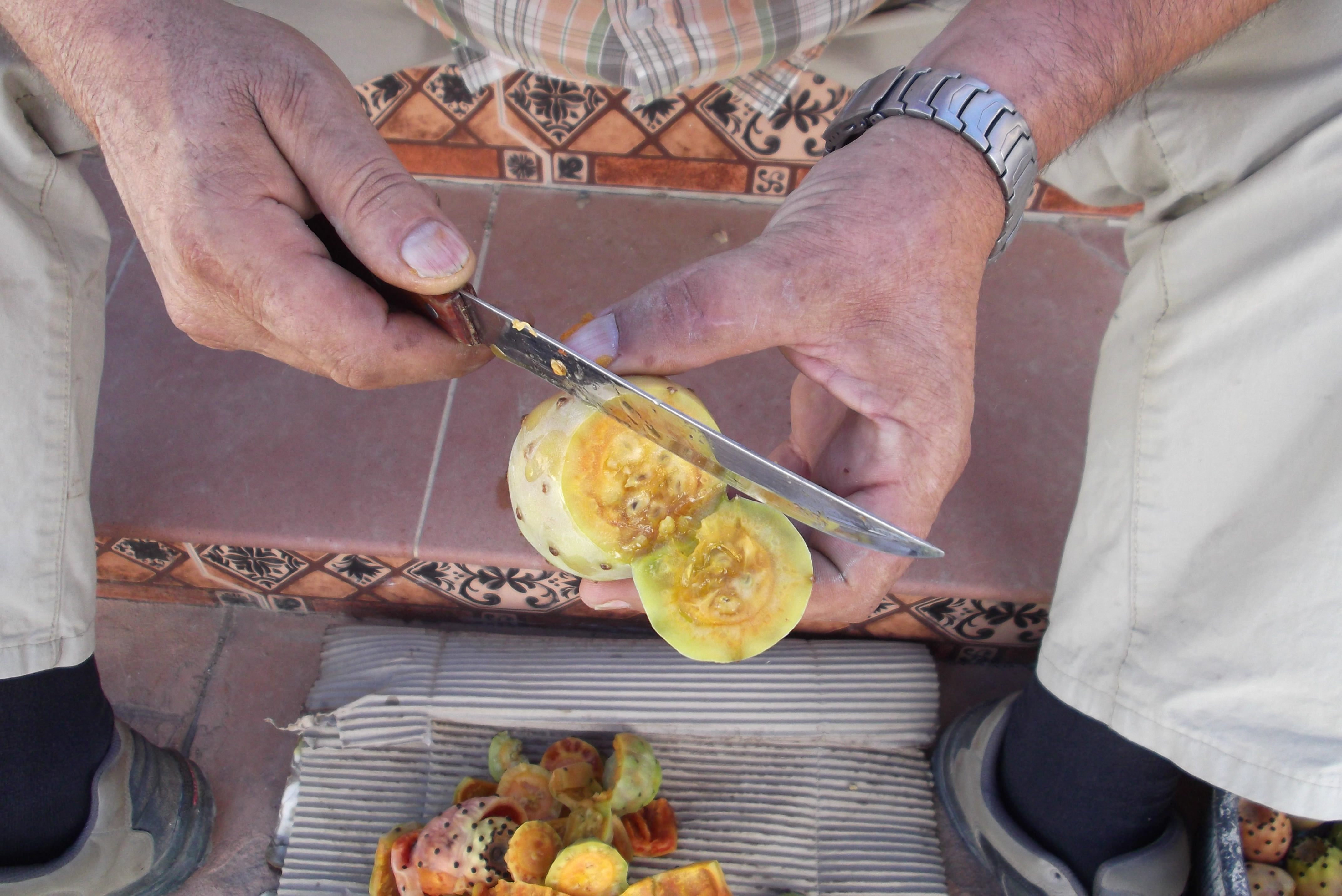
A good brush in the dirt first with a plant that grows near the chumberos, called altabaca, then a hose down and another roughing up with a broom…and you´re ready to peel. 

Speedy peeling

Two people are needed for this part.  One to peel and the other to lift the chumbos off the skin and put them into a container.

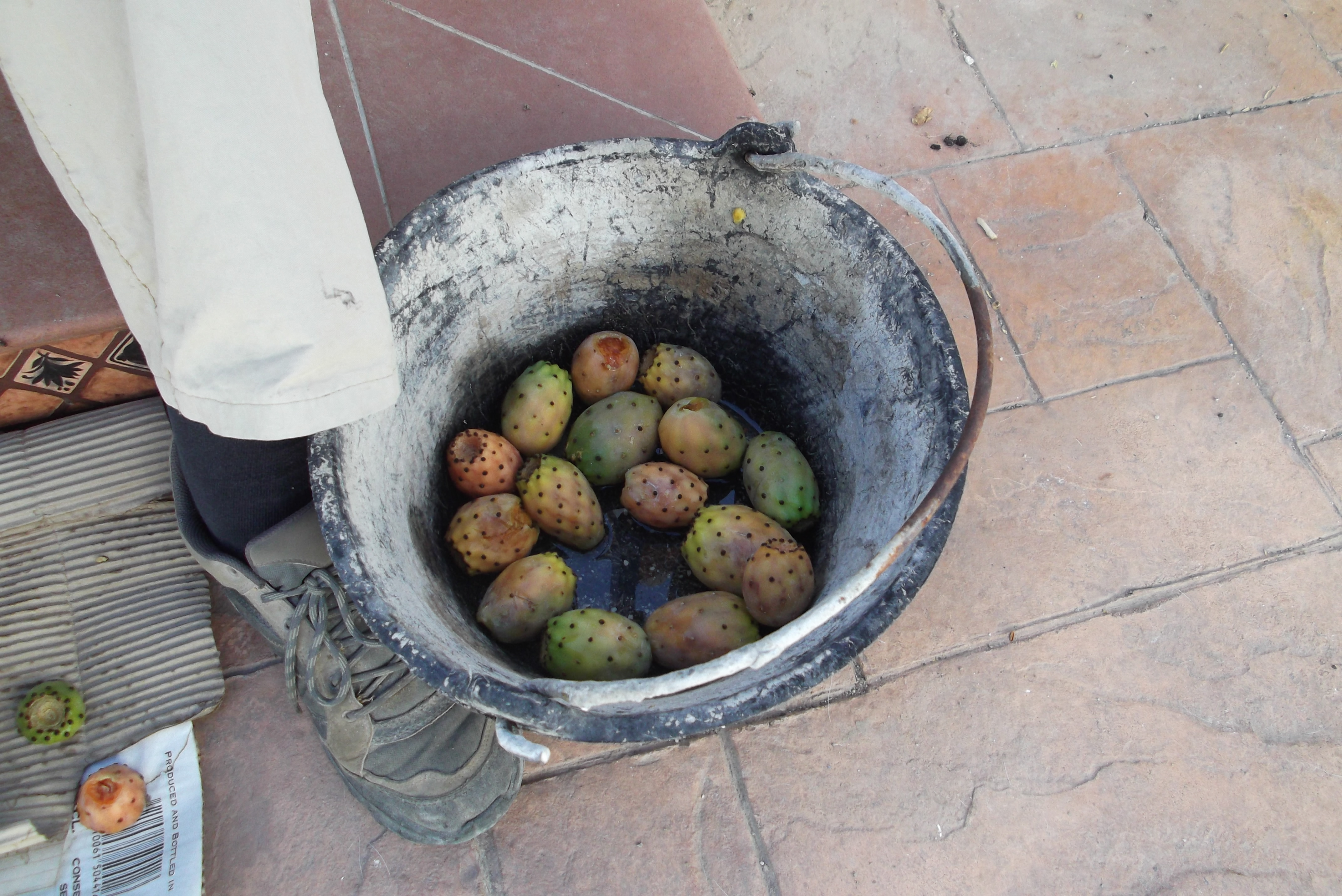
Mind the prickles

What a relief when you get to the end of the bucket of chumbos as you can put the fruit in the fridge to chill nicely and then get your tweezers out to remove those pesky little spines which, inevitably, will have found their way into your fingers.

Nearly done...

Then you can either just gorge on them straight from the fridge or have a little tapas session with some jamon, cheese and cold melon….oh, and wine of course!

Up The Mountain Soda Bread

Time to get the butter out of the fridge...

When Big Man and I went to Dublin at the end of last year, one of the things we really enjoyed eating was Soda Bread.  It´s a staple they serve with bowls of fish soup (and lots of other things too), it really filled you up on what was a very wet and windy November weekend.

This morning, bread man let me down, but I didn´t mind too much as I had been looking for a reason to use up the whey (or maybe it´s called something else) which came off the yogurt and cream cheese I had made the day before.

I turned to the BBC Good Food Website for a recipe.  I like this site because people like you and me cook the recipes and then give their feedback about what worked and what didn´t.  They´re usually pretty reliable recipes too, and the first one that popped up had 5 stars, so I thought I´d give it a go.

Ingredients called for were:

250g plain flour

250g whole meal flour

100g oats

1 tsp bicarbonate of soda

1 tsp salt

25g butter

500 ml of buttermilk

I substituted my whey for the buttermilk and found that I only needed about 400ml, so add your liquid gradually – much will depend on the absorbency of your flour.

Heat the oven to 180ºC and flour a flat baking tray. Mix the dry ingredients together and then gradually add the liquid until you have a soft and not too wet dough.

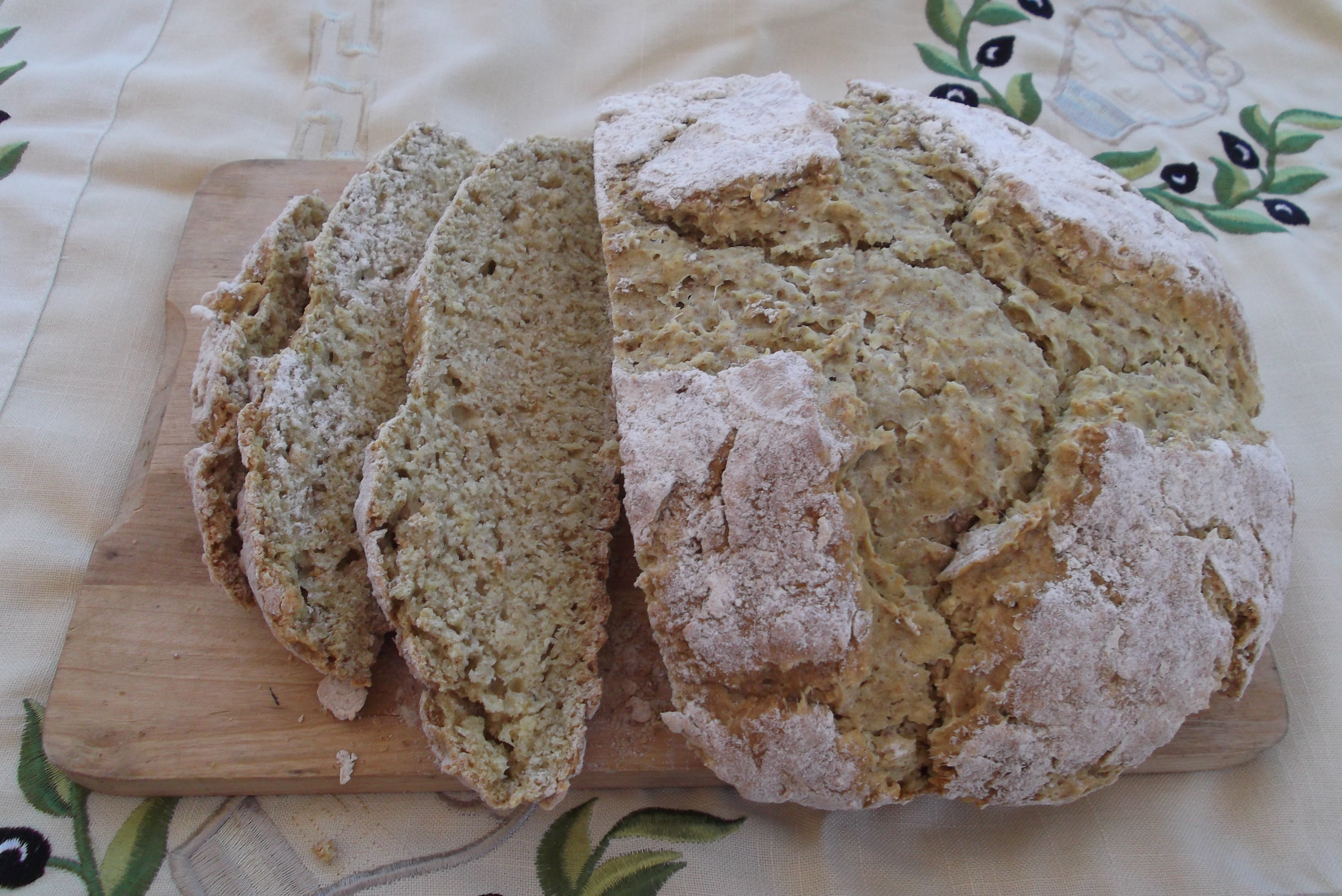
Shape it into a round and put in the baking tray then cut a cross in the top. Supposedly this is to let the fairies out (so sweet) but actually helps rising.  And leaves you with lots of little good spirits flying round your kitchen of course!

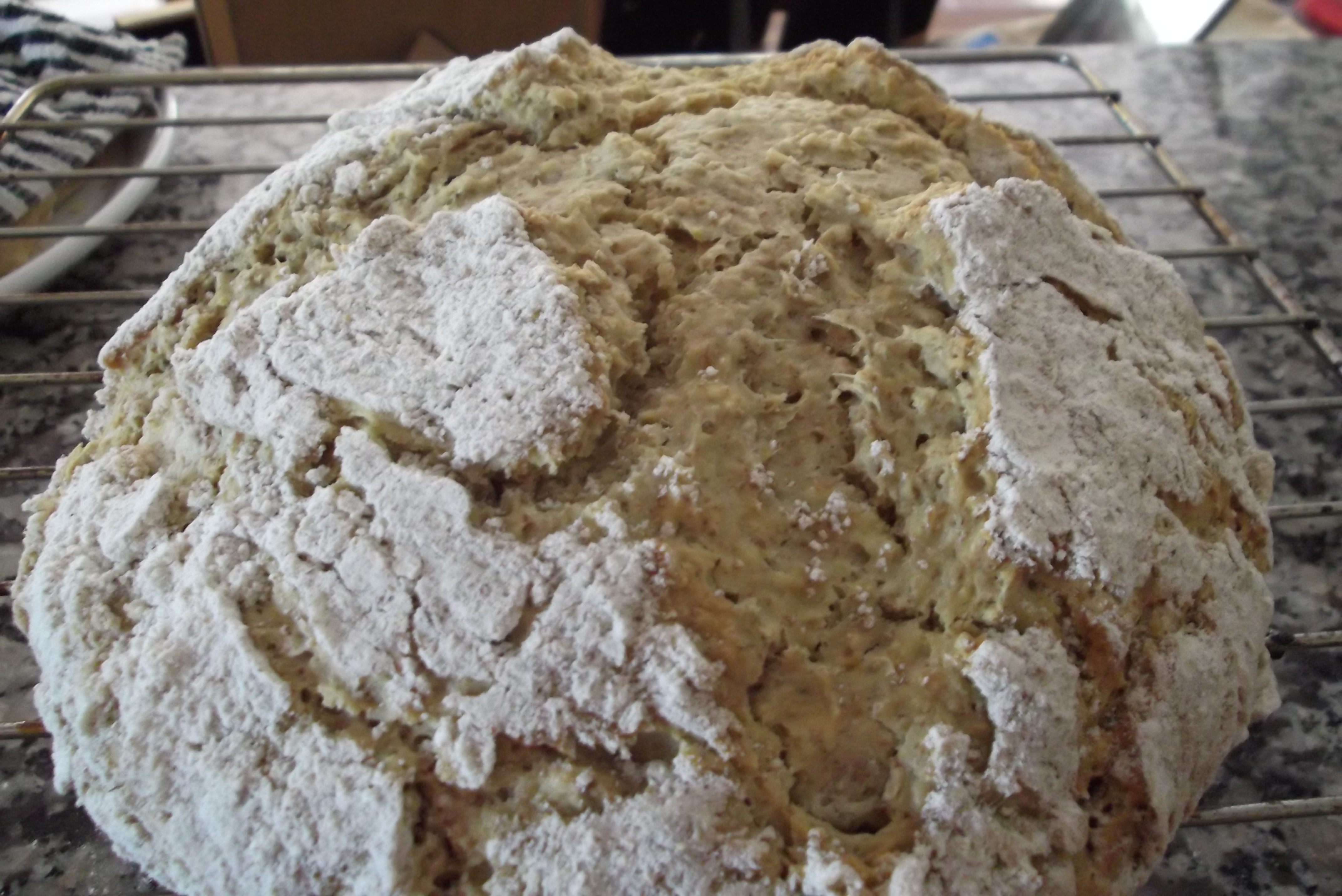
All the fairies have been let out...

Bake for about 30-35 minutes until the bottom sounds hollow when tapped then leave to cool on a baking tray.  I confess, I love this smothered in creamy butter (I don´t eat it very often here, so I feel justified) but it´s just as delicious on its own.

When we were in Ireland, we were also told that if you see a lone tree in the middle of a field, it´s very magical, a fairy tree and brings good fortune.  If I stand on my roof terrace and look across to the field next to our house, we have a fairy tree all our own…so here´s a snap of it.  Am surrounded by the little people today it seems!

Away with the fairies today....!

Pork ´n´ Beans – Slow Cooked Pork Shank with Borlotti Beans

Just what you need when it´s 32 degrees hot outside!

Ok, so I know it´s summer here and hot, hot, hot…but I just fancied it!  Our local “Big” Supermarket (ie. a 50km drive away) has started selling pork shanks.  It´s a cheap cut of meat but oh so tasty.  I bought two to cook, but in the end we still have one portion of this dish in the freezer as there was so much meat on each shank.

It´s a slow cook dish, you can be a bit cavalier with the ingredients depending on how saucy you like your finished dish.  It was so tender by the time it was done, the meat fell off the bones as I served it.  This makes for a less artistic food photo, but two very happy pups!

To make the dish I used:

  • About a cup and a half of borlotti beans which I soaked overnight (but you could use tinned)
  • Two cups of tomato sauce (crushed tomatoes cooked slowly with garlic, red wine, seasoning and rosemary until thickened)
  • Two pork shanks
  • Two large sprigs of rosemary
  • A large dried chili
  • Approx two cups of water (enough to cover the pork and beans)
  • Four slices of smoked bacon, diced
  • Salt and pepper
  • Three large cloves of garlic, peeled but left whole

To finish the dish

  • Half a cup of finely chopped bobby beans
  • Four small potatoes, diced

Put all the first list of ingredients into a large pot with a lid and cook very slowly for about four hours (or longer) in a low oven.  If you have time, it´s best left overnight before eating to allow the flavours to really develop. When I was ready to serve I heated the dish up and simmered for about 20 minutes to allow it to thicken a little then I added the beans and potato and cooked them until tender.

This slideshow requires JavaScript.

Definitely a dish to eat with a lovely glass of red wine, lots of crusty bread and a big spoon.  Have a sofa handy for reclining afterwards, a siesta is now in order!

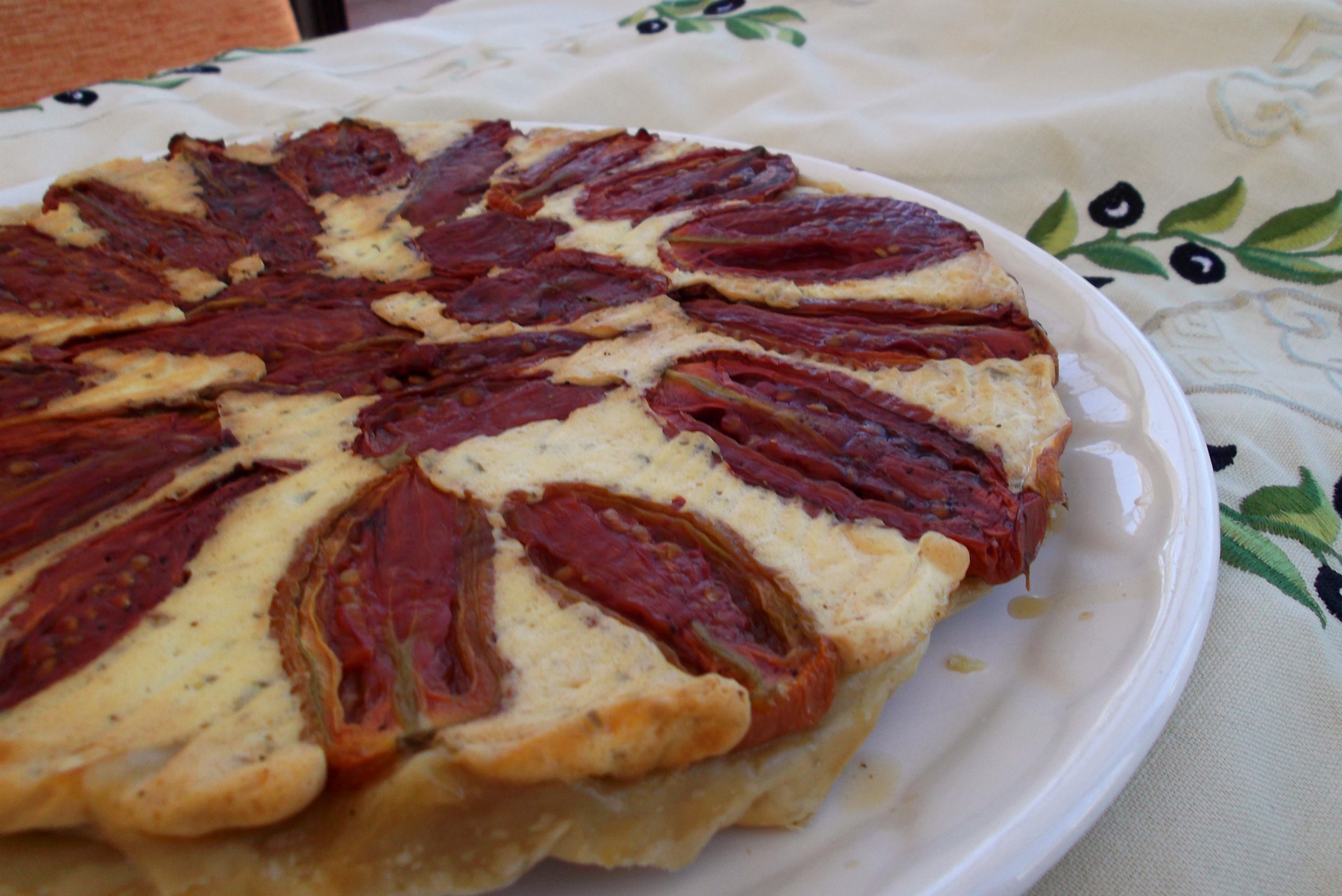
Almost Tomato Tarte Tatin

Make it a big slice for me please!

Yes, tomatoes are now officially ripening at a rapid speed in our Huerto, and apart from drying and preserving, we are eating them too!

If you head over to Cook, Eat, Live Vegetarian you´ll find a wonderful tomato and quinoa recipe which shows you how to slow roast the delicious summer tomatoes we have in Andalucía at the moment.  The other night we were heading out for dinner, so on the way out I popped a couple of trays of tomatoes into the oven set at the lowest temperature, and when we got back about four and a half hours later I had perfect roasted tomatoes.  The house smelt wonderful too!

The next morning I braved the heat of the oven and decided to make a tomato tart.  You can also find another wonderful version over here at Sweet Pea´s Kitchen made with Heirloom Tomatoes.

I put greaseproof paper at the base of a loose bottomed tart tin (that always makes me giggle, it sounds a bit saucy!) and put the tomatoes in, cut side down.

Then I mixed 200 grams of my garlic and herb cream cheese with one egg and spread this over the tomatoes.  Finally I covered the whole thing with a sheet of puff pastry and tucked all the edges in.

I cooked it at 180ºC for about 50 minutes, left it to cool slightly in the tin for 10 minutes then turned it out on a plate.  You get a few lovely juices dripping out and it´s best served at room temperature.

Preserved Tomatoes – Conserva de Tomates

 
Ready for a winter debut

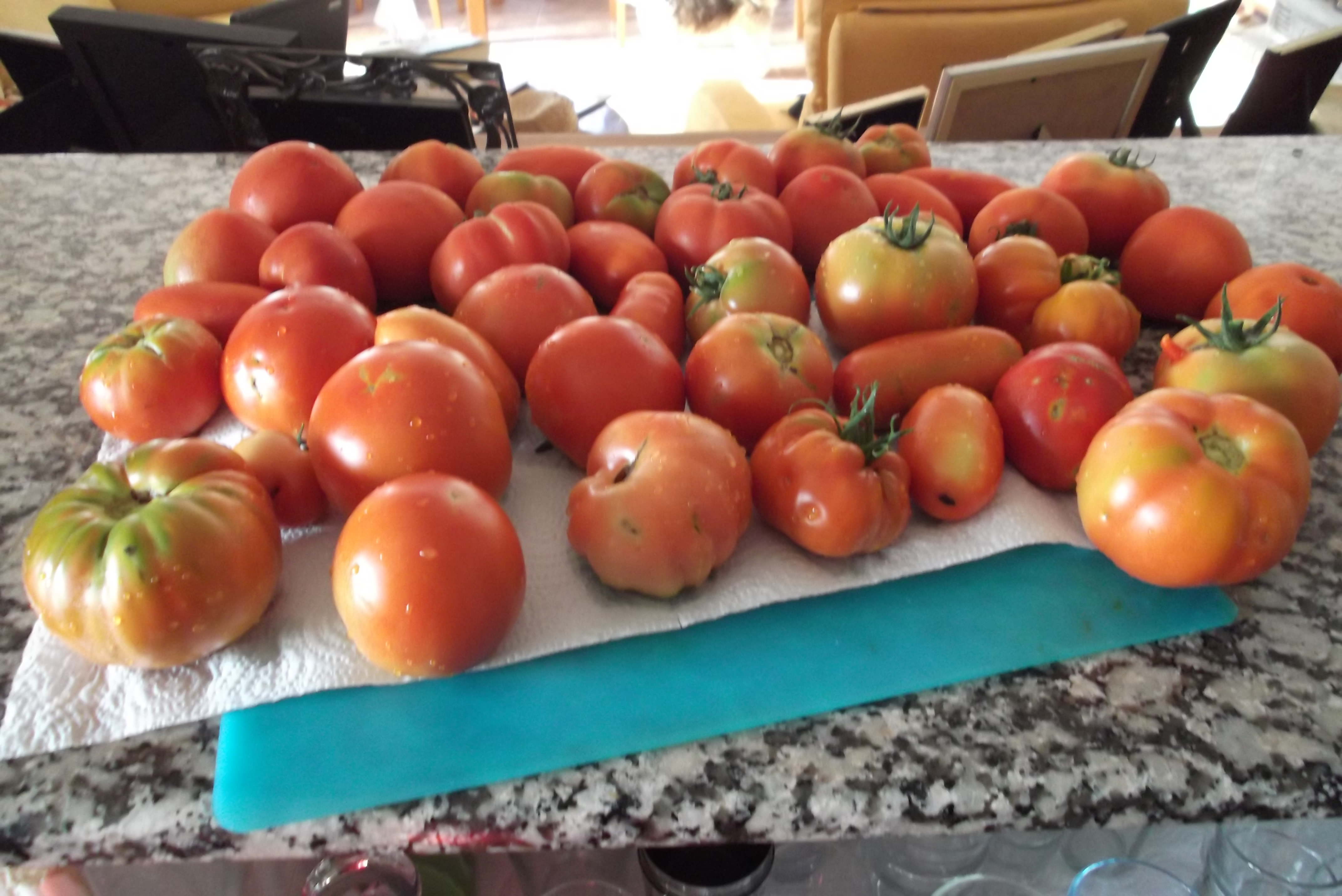
Well, summer is here and I finally have my first glut of tomatoes.

Forgot to weigh them...

We also picked runner beans last night, although they are coming to an end now.

Run, Fat Bean, Run!

And the first of our bobby or French beans.  I planted two varieties, one green and one yellow, but so far I´m only seeing green ones!

´Allo, I am Claude and zis eez mon ami Bobby...

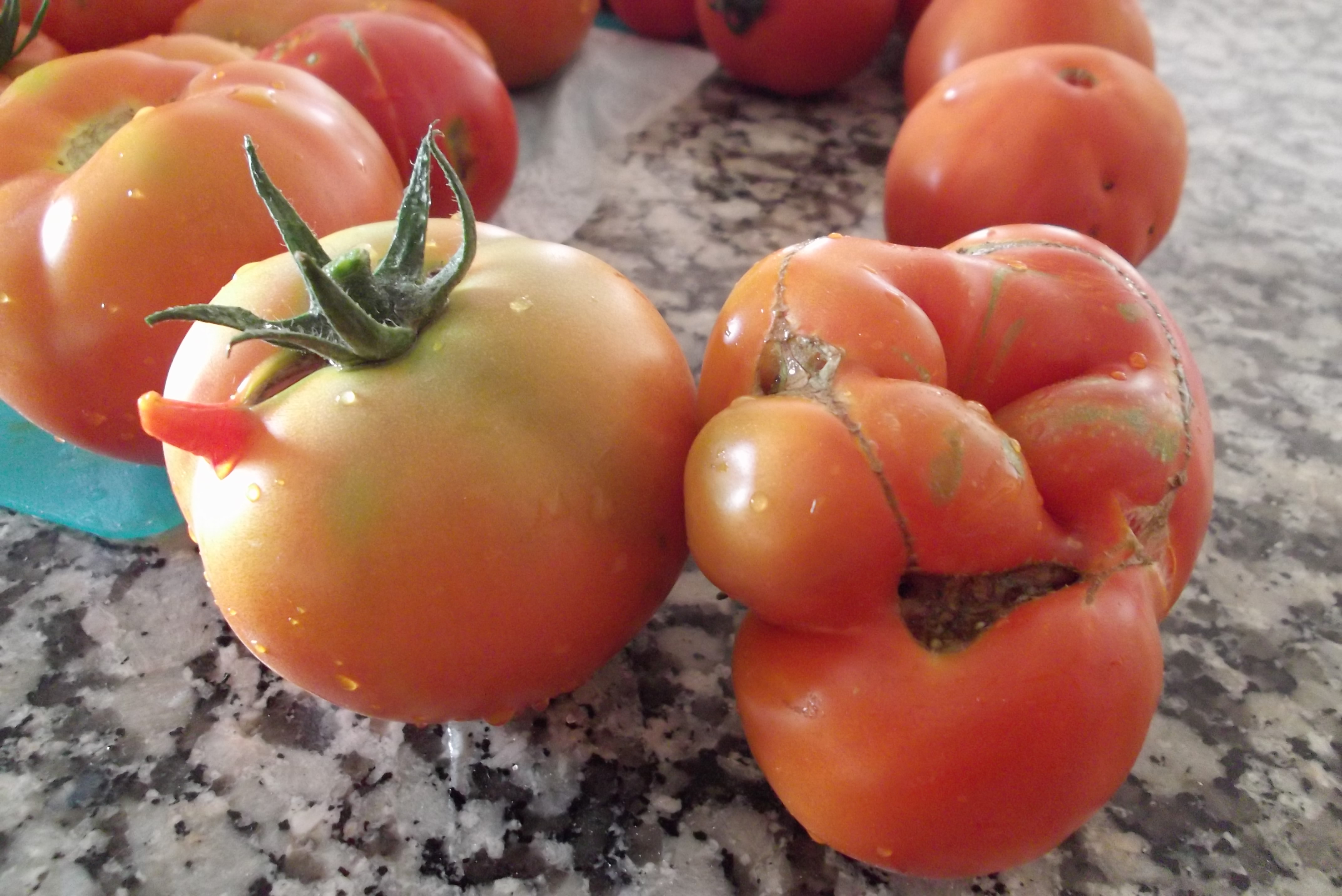
Because we  don´t use insecticides or nasty sprays, some of our tomatoes look a little quirky, but we don´t mind that.  It makes us love them all the more…

Faces made for the radio

Time to start laying some by in jars for the winter months. Last year I made what seemed like enough for the whole village, but by the end of April we ran out.  I am on a mission this year to make enough to last us until next summer.  It is a little bit of effort, but we have so many tomato plants and have also just done a second planting, that it makes sense to do it and enjoy all our hard work in the colder months.

For a great idea on how to use your tomato sauce, and also the way I make mine, head over to Tales of Ambrosia for a delicious aubergine and tomato sauce dish.

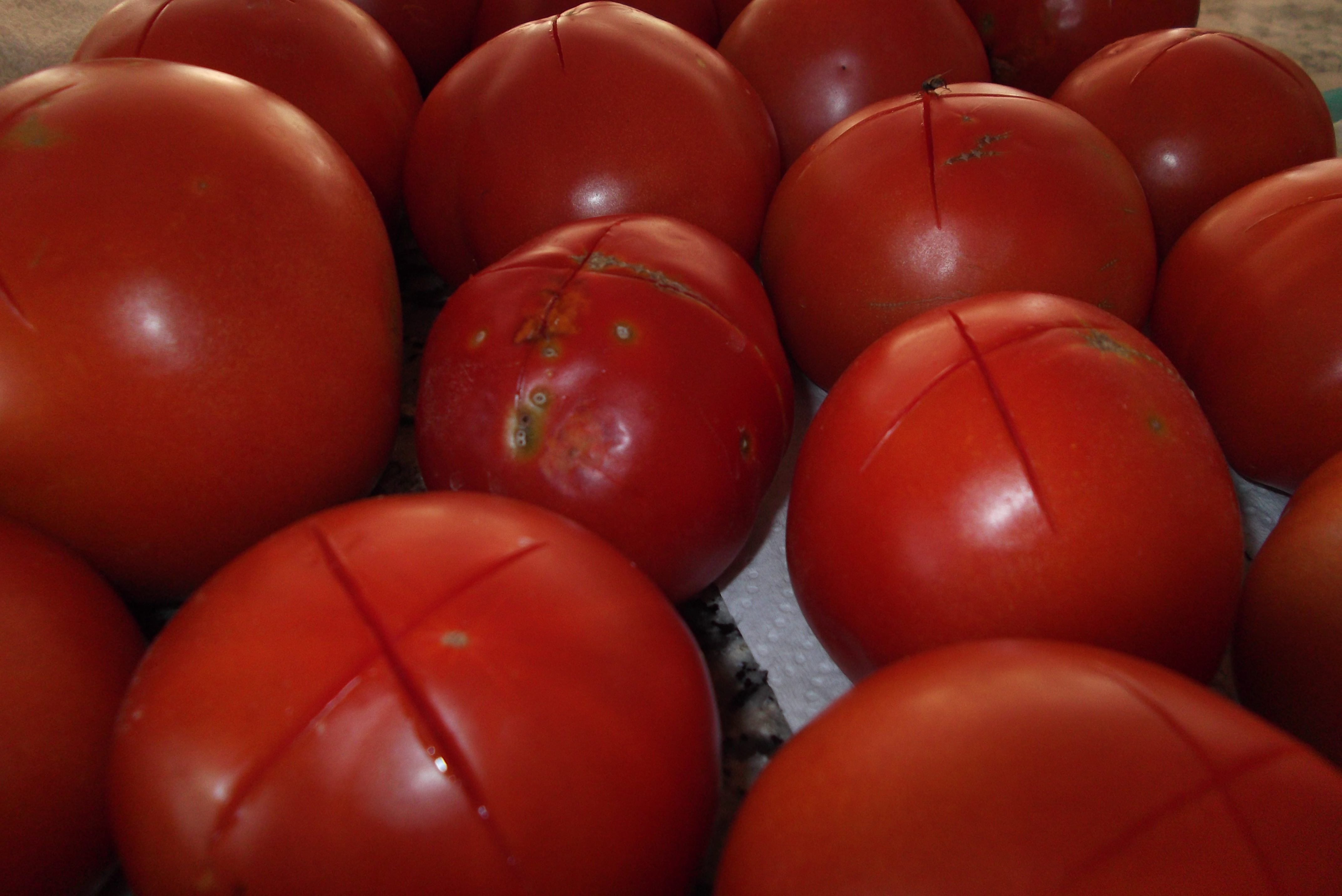
I started by cutting small crosses in my washed tomatoes.

Criss Cross

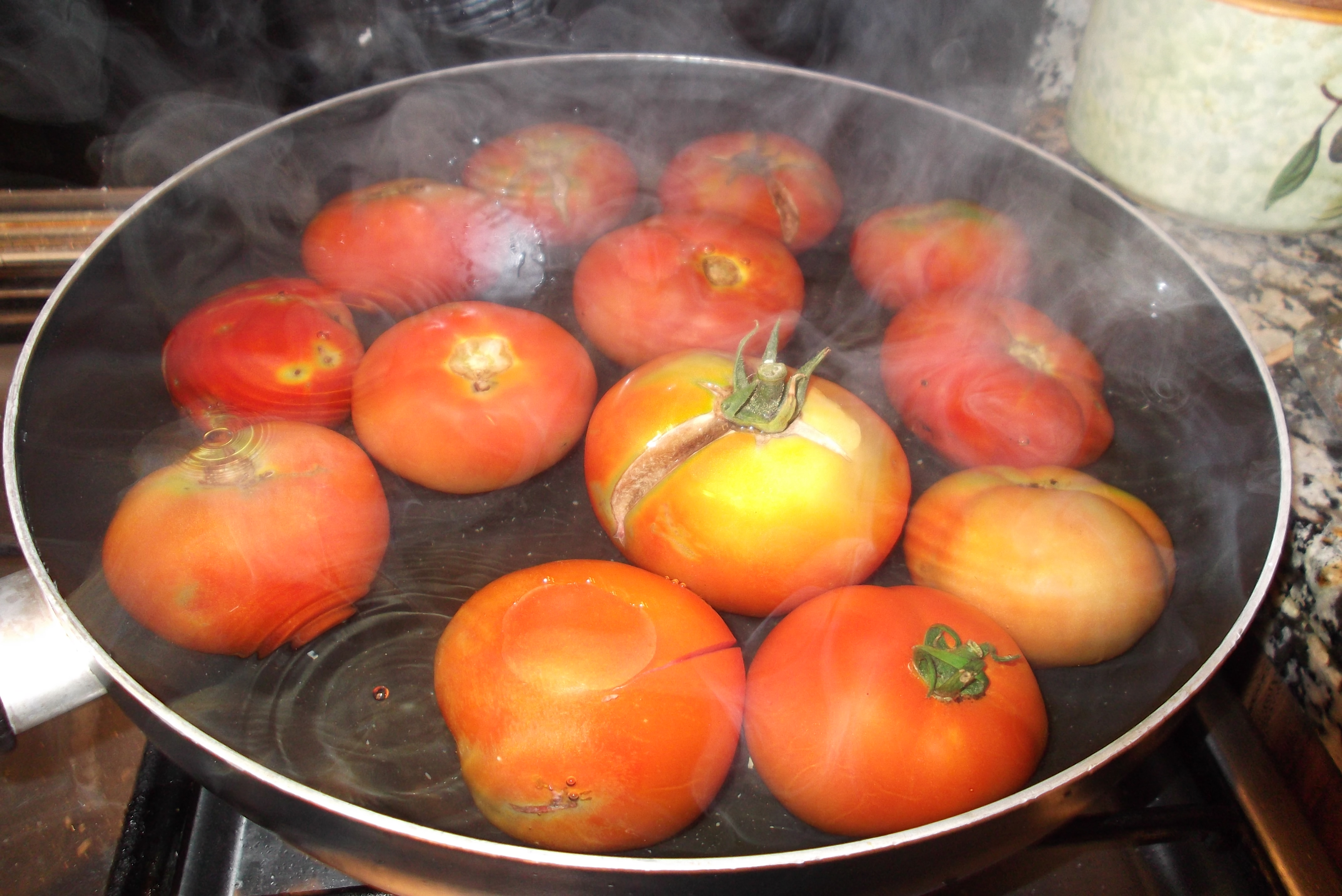
Then I blanched them for a minute or two in boiling water.

Into the hot tub...

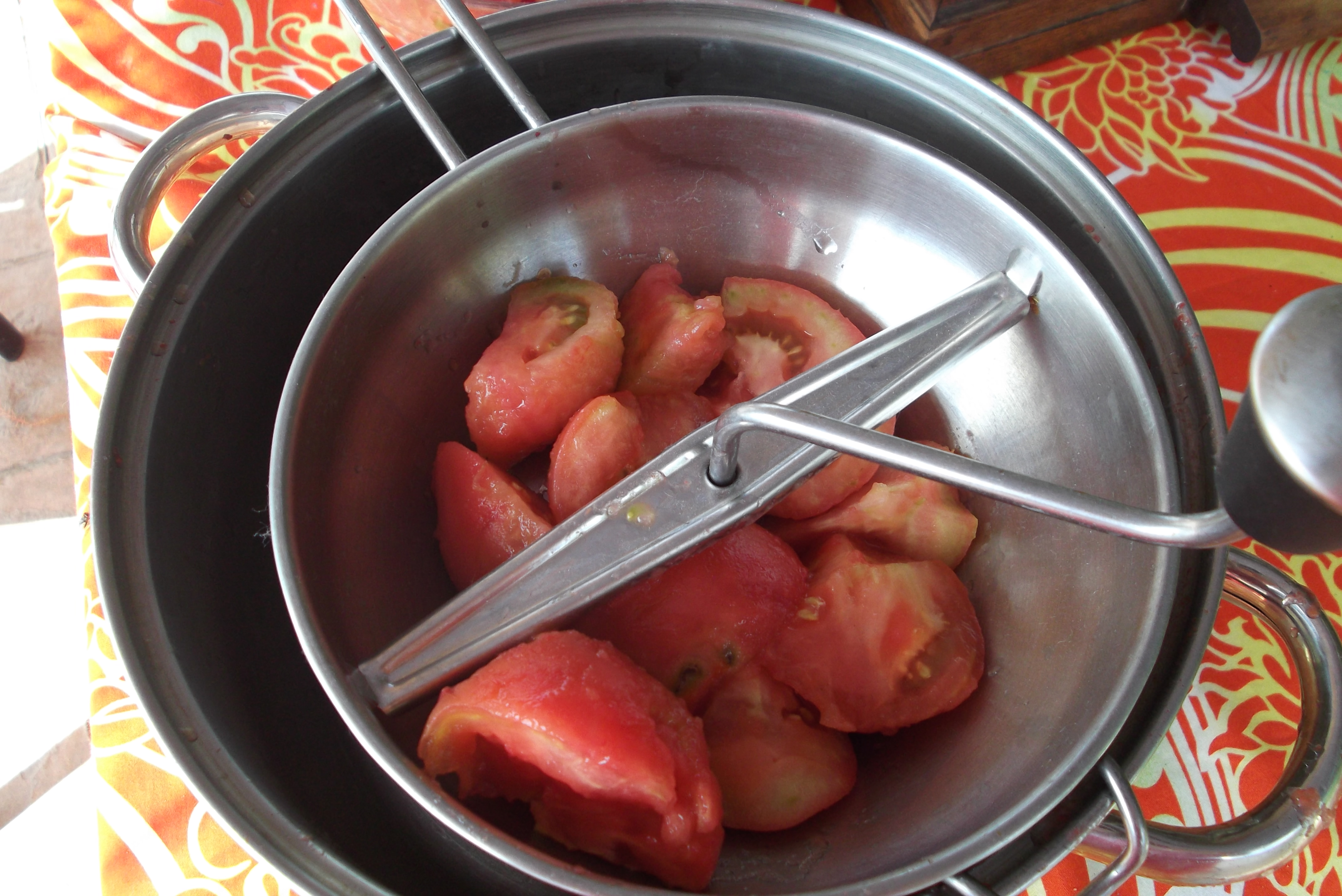
After peeling and coring them I put them into my food mouli (although sometimes when I´m pressed for time I just blitz them with the hand blender). 

Scantily clad tomatoes

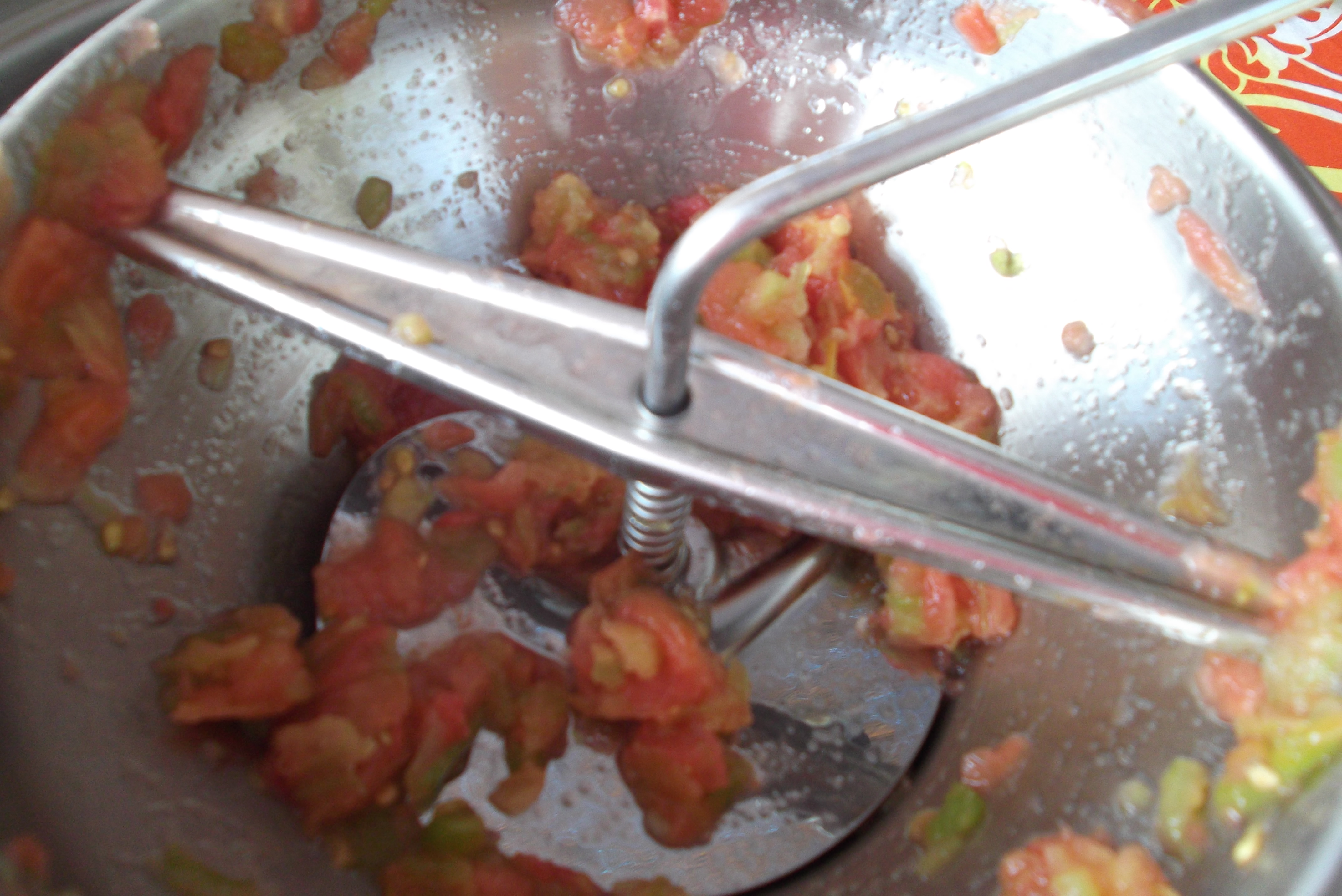
The mouli, if that´s the correct word in English, is a hand held vegetable mill and gets rid of any tough bits and seeds.

...and grind...

Every so often you´ll need to empty out the bits you´re left with.  You can either use these in soups or sauces or if you have chickens, like us, they love them as a special treat.

Your chickies will thank you!

You´ll be left with a purée of tomatoes which you can now freeze, use or bottle (can).

Gorgeous tomato pulp

When I am going to bottle or can them, I add half a teaspoon of salt per litre of  tomato and heat gently until just bubbling.

This then goes into sterilized jars which are tightly sealed then left to simmer in a bain marie for about 10 minutes and then left to cool down.

Today, as I had been cutting back my basil which is getting a bit overgrown, I added a spring of basil into each jar too.

Now put the jars away in a cool dark place and on a dull grey day, a few months ahead, you´ll be so glad you invested a little time on a hot summer´s day doing this!

Garlic and Herb Cream Cheese

 
Creamy and Delicious

Not long ago I posted on how I make Greek style yogurt.  Rachel from And Then Make Soup, commented that if I left the yogurt to drain for a little longer, I would end up with a spreadable cream cheese (rather like Philadelphia or Boursin). Thanks for the tip Rachel!

So, in a double experiment, I gave this a go.  It was a double experiment as I didn´t have any fresh milk.  I know this sounds a little odd, but in Spain it´s still quite hard to buy fresh milk, apart from in the larger supermarkets in the bigger towns.  Almost all the milk available here is UHT or Long Life.  It´s not a huge problem as I don´t take milk in my coffee and only really use milk in cooking.

So…with a litre of semi skimmed UHT at my disposal, I made a batch of yogurt to see if it would work.  Nothing ventured, I thought!  To my surprise, the process worked equally well as using fresh milk and tasted the same.

Instead of draining it overnight, I put a weight on it and drained for 48 hours.  I saved the liquid that came off it to make soda bread, but more of that another day.

This is what it looked like after 48 hours, straight out of the mould. 

After draining for 48 hours

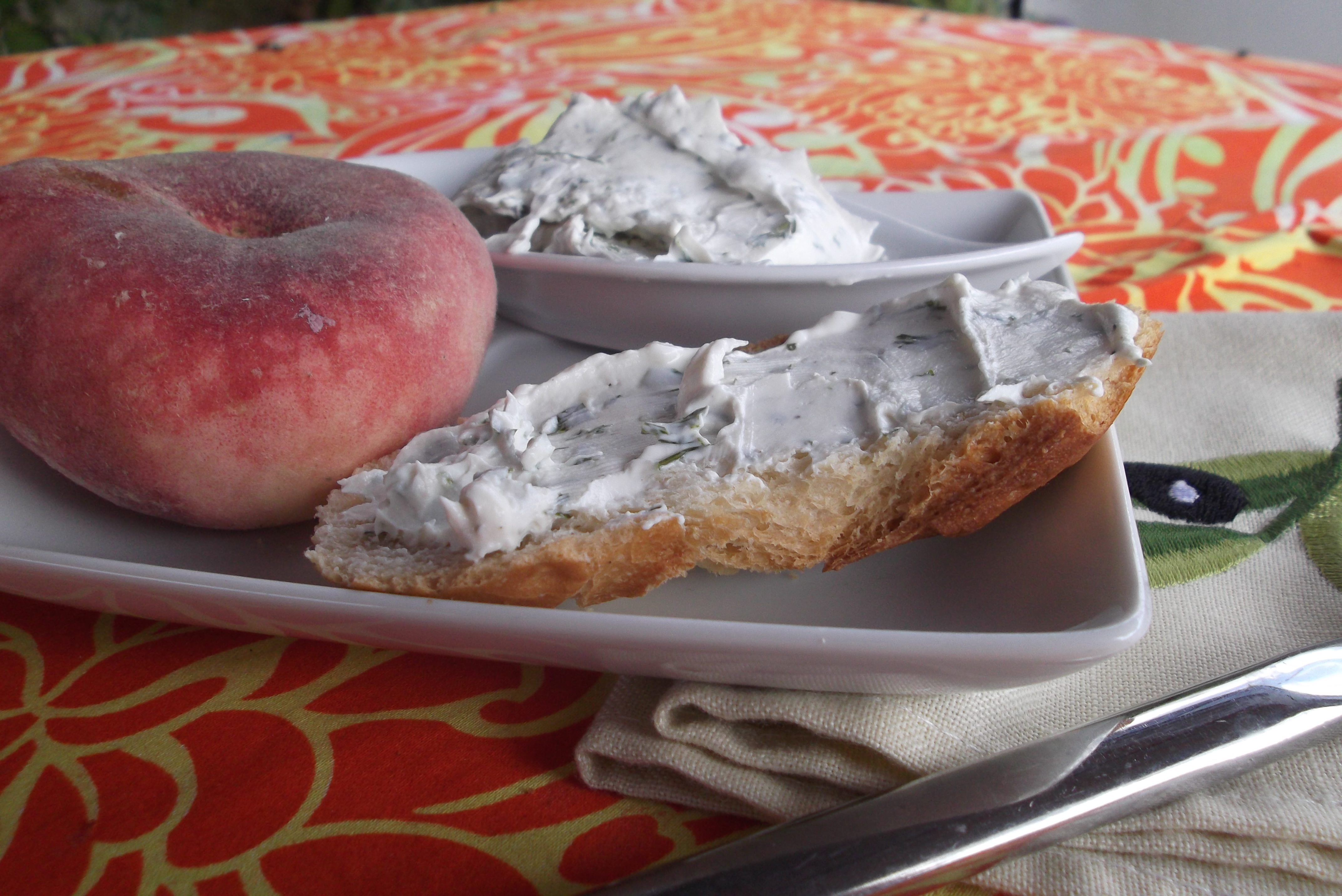
I beat it up a little and then added one clove of crushed garlic, a sprinkle of sea salt and about 2 tablespoons of very finely chopped parsley.

Add your favourite herbs

The next morning I spread it on bread for my breakfast, and accompanied it with a very funny looking peach!  They´re called Paraguayas here, they have a whitish flesh inside and are very tasty.

Luckily I was not going anywhere that morning, as I was rather garlicky for a few hours!

Creamy Mussels with Garlic and Bacon

Delicious!

It was another day for Fish Man to visit and I bought a kilo of mussels.  Such a bargain food, so easy to prepare, and such a wonderful taste.

I have been inspired by some of the recipes posted by Olives and Artichokes here and here and often make a tomato based soup version, as you can see here.

Today, I decided to use up some of my bacon from the UK, although I could have used lardons or jamon instead.

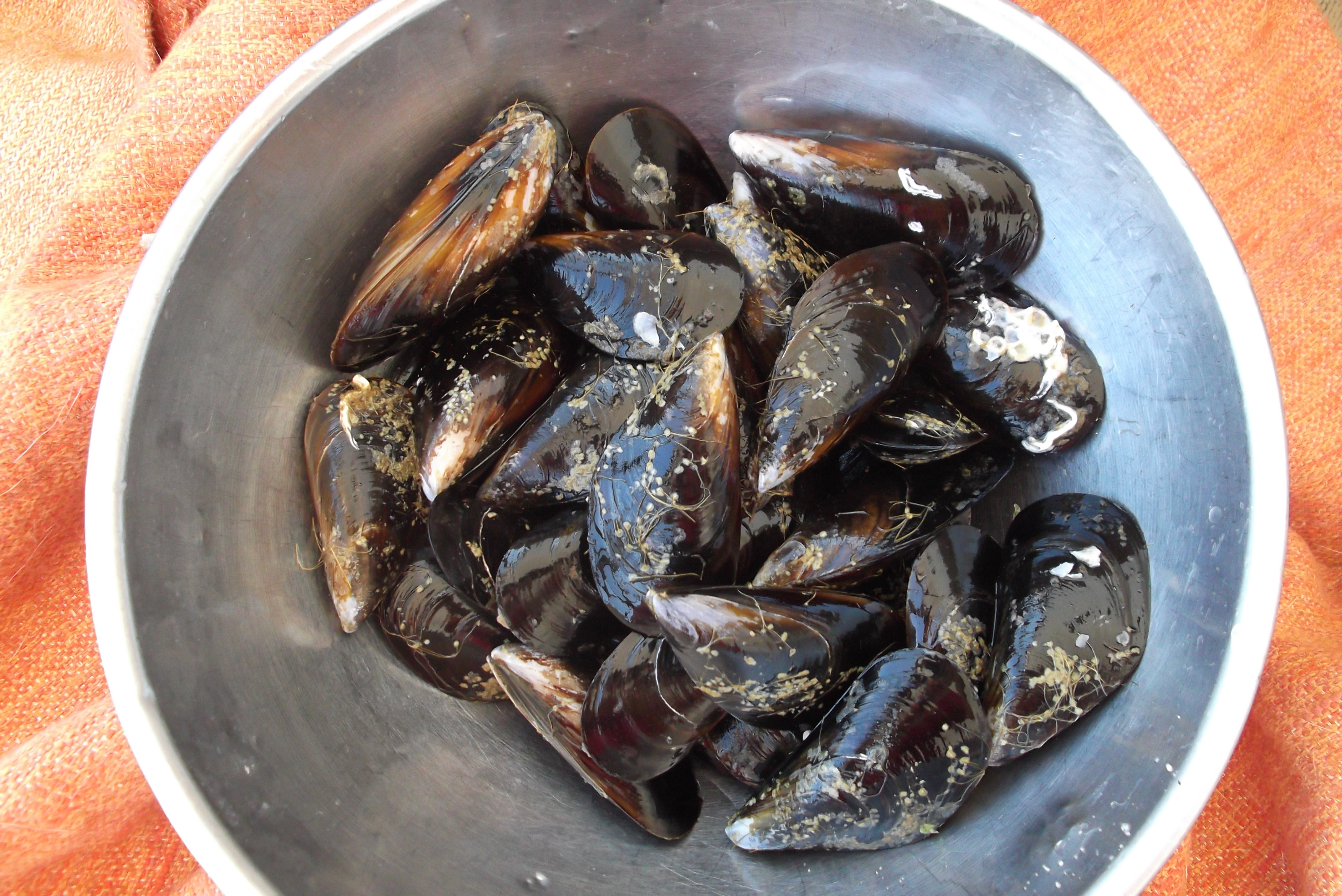
Time for a wash and brush up...

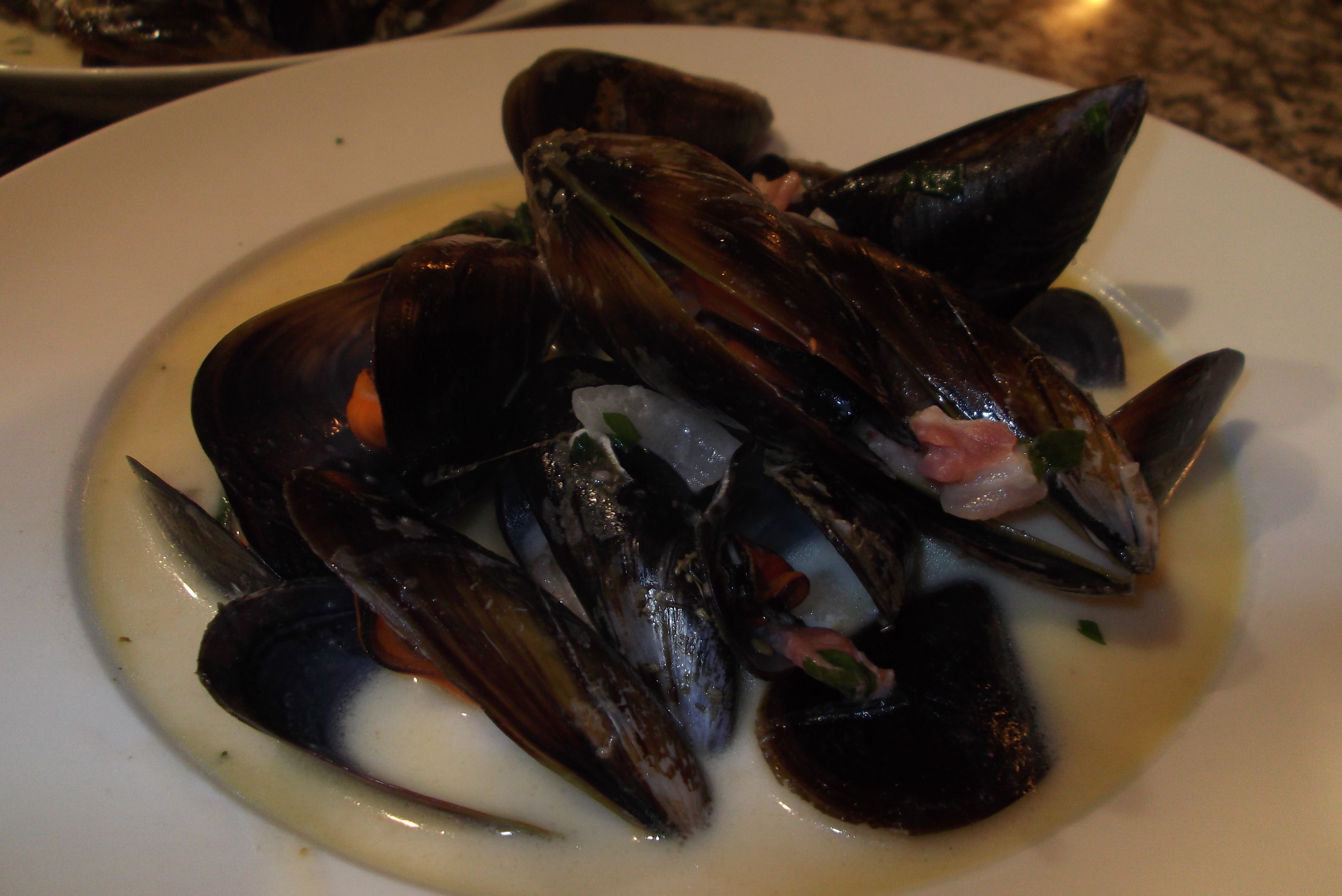
After cleaning my mussels, I lightly fried in olive oil two cloves of crushed garlic, one onion fairly finely chopped and 4 rashers of chopped bacon.

When these had all softened I added a glass of white wine and simmered for about 5 minutes before adding the mussels and a couple of tablespoons of chopped parsley and putting the lid on.

A few minutes later the mussels had all opened, so I took the pot off the heat, stirred in 100ml of single or pouring cream and that was it.

I served it in big bowls with spoons and crusty bread to soak up all the garlicky, creamy juices.  ¡Muy rico!

Cherry and Watermelon Granizada

So pretty, so good....

A granizada in Spain is rather like a granita in Italy, or a water ice elsewhere.  This drink was probably more the texture of a slushy sorbet, so didn´t know what to call it!

We had friends from the UK to stay for a week, and whilst eating and drinking we tried to balance out some of the inevitable excesses with plenty of fruit and salad.

To make this drink I whizzed up (with my stick blender in a jug) about 6 large ices cubes made from the slightly cooked pitted cherries I had prepared a couple of weeks ago for Cherry Jam with a large chunk of sweet watermelon (about a quarter of a small one) and a few leaves of mint.

Guess what colour my favourite summer tablecloth is?!

So easy, so fresh, and next time I´ll add a little cava as inspired by spicegirlfla and her Chilled Mixed Berry and Prosecco Soup.  Cheers!!

Runner Beans with Bacon and Garlic

It´s good to have a bean slicing gadget!

A few days ago Big Man came back from a trip to Granada raving about a different kind of tapas he had eaten that day in a bar.  First of all I need to explain all about Granada and tapas.  Granada (the entire province, not just the city) is famed for and rightly proud of its tapas culture.  In most other regions you are asked if you´d like a tapas to accompany your drink and offered a choice.  This can simply be cheese, jamon or olives or quite sophisticated grilled or fried fish, fillets of meat, or potato or seafood salad.

In Granada you don´t get offered, you just get given.  Most bars will have their own specialities and generally their first tapas will be x, the second y and so on.  Of course, if they serve you something you don´t want or like, you can ask for something different.  They even have a word for going out and moving from bar to bar sampling the best they have to offer.  It´s called “tapear”…isn´t that wonderful?  Sounds so much nicer than going on a pub or bar crawl! It also helps with not ending up with a sore head if you drink alcohol as you are eating as you go along.

So, back to the tapas he ate.  Apparently it was runner beans with bacon.  It sounds simple, and it was, but he said it was delicious and fresh and made a lovely change from the usual fare.  After cross questioning him under a spotlight (ok, I made that last bit up) he told me that he thought the beans had been cooked a little first in water, then stir fried with little cubes of bacon.  Then he thought there might have been garlic and couldn´t make his mind up if there had been tomato, but probably not.  What a great way to use up some of my runner bean glut and to get my super marvelous bean shredder out again!

So that was pretty much it.  I sliced my beans finely (I used about 2 cups) and boiled them for a few minutes then drained them.  I diced a couple of slices of smoked streaky bacon which I fried until slightly brown at the edges, threw in two cloves of crushed garlic and the beans and stir fried them for a few minutes more.

Big Man pronounced them even better than the ones in the bar, mainly because I had used some of my precious stock of lovely English bacon supplied by my pals.  And I´m happy as we have a new quick and tasty dish to use up some of our runner beans which we´re currently picking at a rate of about a kilo a day.