Lomo en Manteca – Confit of Loin of Pork

So, I translated this dish as confit, as it sounds so much more appetizing than “slow cooked in lard”.  Let me tell you how I come to be posting about this delicious dish.  Do you find that you´ve struck up friendships through your blog? I bet the answer is yes.

Someone forgot to tell the ladies it was Singles Day at the local bar...

Well, a blogging pal of mine, Mad Dog, has a bit of a passion for many things Spanish, due to having worked in Barcelona.  We exchange e-mails and ideas from time to time and for some very strange reason recently, we were talking about lard and how it has fallen out of fashion.  He sent me info about it and I was amazed to learn that weight for weight, it has less cholesterol than butter.

Anyway, I´ll leave it to him to tell you more another day, I´ll move on to the fact that lard most definitely has not fallen out of fashion in Spanish cooking. Round here, if you´re not using olive oil, it´s lard.  Even in cakes.  Many of the more traditional dishes use lard and it was very common to preserve pork in lard for the winter months, after the matanza, or pig killing.  Back in those days the meat was stored in big earthenware pots and slabs of pork were dug out and used as needed.

Pork loin, slowly cooked in lard is a common dish still and is served cold and thinly sliced as a tapa, or warmed through or refried for a “plato de los montes” (a mountain dish) with egg, fried potatoes, fried peppers and chorizo and morcilla for an immensely filling meal.

To recreate this dish nowadays is very simple. Quantities are not that important as it will all depend on how much meat you are using.  Nowadays people tend to cook it frequently and store it in the fridge – so no need for mountains of lard to cover kilos of meat.

An optional but highly recommended stage is to take your piece of boneless pork and the night before cooking rub it with a large garlic clove, sprinkle some salt over, add a small amount of white wine and chopped thyme and forget about it until the next day.

You will need enough pure lard which, when melted, will cover the pork when it is in a container.  Cut the pork into thick slices (about 10cm wide), remove any garlic and thyme clinging to it and put in a pan with the lard on a very low hear.  Cook very slowly until the meat is cooked through but not browned. Some people mix a little olive oil in with the lard, that´s up to you.

Now either leave the meat in the cooking pot if you do happen to have a nice earthenware one or transfer it to a storage container and leave to cool. The lard will revert to solid form and cover the meat.  When you want to serve it, remove the meat from the fat, covering over any pieces that become exposed.  This will keep for several weeks at least, but if you plan on storing it for longer (which is probably unlikely), don´t salt it before cooking.

As a tapa, slice thinly and serve with a chilled glass of your favourite wine or beer, a little slice of bread and a few tangy olives.  Old men in flat caps are optional.

Osso Buco – Braised Veal (or Pork) Shank

When I was little my dad used to go crazy for Osso Buco, which translates from Italian as bone with a hole in.  I just didn´t “get” it but I enjoyed dipping my bread in the sauce.  My, how times have changed.  I go crazy for it now as my dad did.  Like many dishes, it used to be a poor person´s meal, made from the sliced shank bone of a young (or otherwise) cow.  Of course, it´s now a rather grand restaurant dish and veal is more typically used. It´s not found that often on menus as it is a long, slow cooked recipe. It´s also often made with white wine and no tomato and served with a gremolata.  Naturally, I ignored all this and did it my way!

When I saw in our local supermarket that they were selling sliced pork shank bones, I snapped up two packs (there were four in each) and decided to give making this delicious dish a go.  If you´ve ever cooked oxtail, the process is pretty much the same.  I also found that it was best made a day ahead to allow the flavours to really develop and to also be able to remove any fat from the top of the dish before heating and serving.

Ingredients

  • To serve four people I used two fairly meaty slices of shank per person
  • 1 large onion, peeled
  • Four carrots, peeled
  • 2 large sticks of celery cleaned and tough “strings” removed
  • Four fat cloves of garlic
  • 2 cups of crushed tomato
  • 2 heaped tablespoons of tomato purée or concentrate
  • ½  a bottle of red wine
  • A bay leaf and about 5 whole peppercorns
  • Olive oil for frying
  • Flour for coating the meat
  • Seasoning

You will also need a deep heavy based (preferably oven proof) dish with a lid

Start by dealing with the vegetables. You can either finely chop or process.  I chose the latter as I wanted the vegetables to cook down to a thick sauce, but the choice is yours.

Season the flour and coat the pieces of meat in it, reserving any that is left over.  Cover the base of your cooking pot with oil and at a high heat, brown the meat on all sides and remove to a plate. Turn the heat down and add all the vegetables, make sure they are coated in oil then put the lid on and let them sweat gently until soft for about 10 minutes. Now stir in up to a heaped tablespoon of any left over flour, cook for a minute or two then add the crushed tomato, the concentrate and the wine.  Bring it up to a bubble and have a little glass of wine while you are waiting.

When it is bubbling away nicely, add the meat back into the pot, season lightly with sea salt and freshly ground black pepper and add the bay leaf and peppercorns.  Cover the pot and either cook very slowly on the hob for about 2-3 hours or in the oven at the lowest setting for about 5 hours.  I prefer to use the oven as there is no chance of anything sticking to the bottom of the pot and I think the longer, slower cooking really does add something to the flavour.

The dish is done when the meat is making only a token gesture to hold on to its delicious centre bone.  Taste for seasoning and adjust if necessary.

This is a real winter warmer dish and is perfect served with mashed or boiled potatoes or plain boiled rice or wet polenta.  Recommend you eat it with a fork and spoon as you won´t need a knife and you won´t want to miss any of that rich sauce. Fingers of course, are obligatory for sucking on the bones.

Saint Valentine…don´t you mean San Jacobo?

I have a work project on at the moment which is keeping me busy, so at home we´ve got a week or so of quicker to cook dishes coming up, or slow cooked dishes that I can put in the oven and then forget about for a few hours.

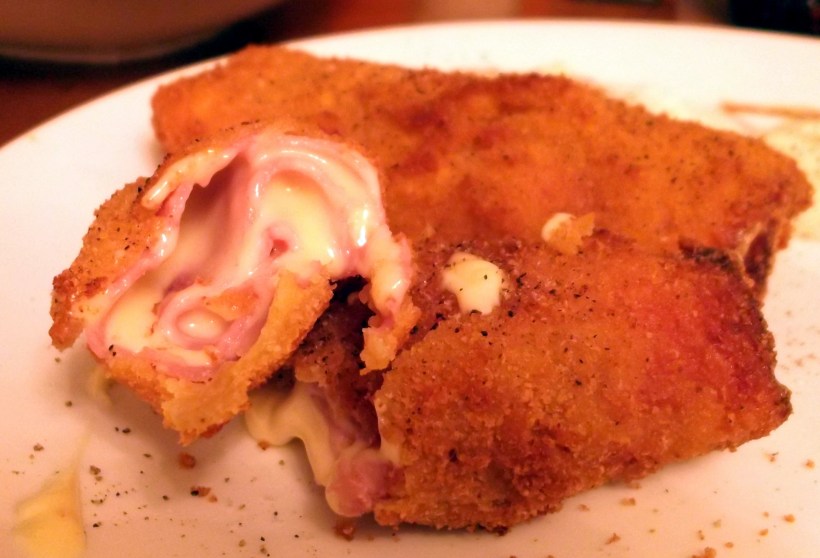
This speedy light lunch or supper is often served as a “child friendly” dish here in Spain. Sometimes you just don´t fancy “fancy” food. Something simple and speedy, and just a little naughty is required.  Deep fried ham and cheese coated in breadcrumbs hits the spot.  And if you serve it up with a dollop of ketchup and a fried egg with a runny yolk – well I won´t tell anyone that you´re not 9 years old!

Per person you´ll need

  • 2 large slices of your favourite ham
  • Enough thin slices of cheese to almost cover the ham (choose one that melts like cheddar, mozzarella etc)
  • A beaten egg plus 2 tablespoons of milk (this is enough for 4 slices of ham)
  • Dried breadcrumbs to coat the ham
  • Hot oil for frying

Place the cheese on the ham and either roll it up or fold it over to make a “sandwich”. Use a toothpick if necessary to keep your San Jacobo closed, but don´t forget to remove before eating…!

Dip the ham in the egg then the breadcrumbs and then repeat. This will give you a good seal so that the cheese doesn´t ooze out as it melts when it cooks, and a super crispy coating.

Get your oil very hot and fry (you can deep or shallow fry – your decision). Remove when browned and serve immediately.

I tried to find out why these little fried ham parcels are called “Saint Jacobs” but no one seems to know.  At least it makes the meal sound a little more gourmet than it actually is.  Make sure you have a cold beer to hand as a medical aid in case you burn your tongue on that lovely melted cheese.

PS. Happy Valentine´s Day to you all – young. old, single or happily with someone, it´s all about love…so go on, go out today and hug someone!

Braised Goat (or Lamb) with Squash and Red Wine

Finally we have had a small drop in temperatures and it looks as though rain may well be a real possibility in the next few days.  Me, a Chica who hates the cold and damp, breathing a sigh of relief at the thought of rain which is so badly needed for the olives, the fruit trees, the rivers.  What a long way I have come on my Andalucían journey!

Winter weather means warming winter food.  After having friends over recently, I was left with half a kilo of chopped goat which had not been cooked so I froze it for a rainy day. That rainy day came round and to make a change from the simple local way of cooking it with garlic, chilli, bay leaves, peppercorns and white wine I decided to make a stove top casserole.

We are still being supplied with squash by Big Man´s cousin and I wanted to use some of this too.  I also felt that if I “disguised” the squash slightly with lots of warming flavours, I might be able to persuade Big Man to enjoy it as much as me.  I think it worked, he ate it with gusto and even had seconds.  No leftovers for the dogs or to serve as tapas the next day with this dish!

Ingredients (to serve 2 if the meat has bones, 4 if it is boneless)

  • 500g chopped lamb or goat (use a cheap cut like neck which is full of flavour)
  • 500 squash or pumpkin, peeled and cut into 2cm cubes
  • About 5 fat cloves of garlic, peeled and thinly sliced
  • 1 medium onion thinly sliced
  • ½ litre of lamb stock or use chicken stock plus a teaspoon of marmite or a beef stock cube
  • 2 glasses of red wine (or replace with stock if you prefer not to cook with alcohol)
  • 2 tsp of tomato purée
  • Salt and pepper
  • A sprig of rosemary, leaves removed and finely chopped
  • Olive oil for frying
  • About half a cup of flour
  • 1 teaspoon of mustard powder
  • 1 dried red chili crumbled (optional)

Mix the mustard powder with the flour and season and toss the cubs of meat in it. Fry the meat until slightly browned and remove from pan.

Add more oil if necessary and gently fry the onions, garlic and squash until the onion is soft and transparent.

Add the meat to the pan, pour over the stock and wine, and add the tomato purée, rosemary and chili (if using). Let it bubble for about 5 minutes then reduce the heat and cover.  Cook gently for about an hour and half until the meat is tender and the sauce thickened. Taste and adjust seasoning.

We ate this with some fried polenta, but it would also be great with rice or mashed potato and a glass of that lovely red wine you opened to put into the cooking sauce.

Boiled Gammon and Parsley Sauce

Some dishes, to me, are so typically English and bring back memories of food from my past.  Gammon is cured (usually wet cured in a salt brine) pork, from the leg.  It can be bought smoked, as an entire joint or as steaks.  It just can´t be bought in Spain, so I will have to work on a way to make my own.

Meanwhile, I picked up a few small joints of gammon on a pre Christmas shopping trip to the strange place that is Gibraltar.  A couple of hours´ drive from Malaga, it is a British Overseas Territory on the southern Iberian Peninsula.  I have to confess it´s not my favourite place as it seems to contain all that is bad about Britain packed into a very small area…but I don´t wish to offend and I am sure there is much more to it than I have ever seen on two brief shopping trips.

A trip to Gib, as it´s known to the Brits, allows us ex pats to stock up on things (particularly food) that we miss and either can´t get hold of or can´t be transported over easily by our visitors.  So, amongst many other food goodies, gammon it was.  I thought that Big Man would enjoy it as he loves pork and ham, but I knew it would be a new and interesting taste for him.

Gammon can be roasted or boiled and served hot or cold.  I decided to do a hot dish, boiled gammon with parsley sauce, which is a typical dish of comfort food from my homeland.

Ingredients (serves 4)

  • One small brined gammon (about 750g)
  • About 6 carrots peeled and chopped into large pieces
  • 2 medium onions peeled and halved
  • 2 bay leaves
  • 4 cloves
  • Water to cover
  • 6-8 medium potatoes boiled in their skins and peeled and halved to serve

For the parsely sauce you will need half a litre of home made béchamel sauce (infuse the parsley stalks in your milk before making it) and two tablespoons of parsley stirred in at the end. For extra flavour, use half milk and half stock (from boiling your gammon).

Simply put the gammon, onion, carrots, bay leaves and cloves into a deep saucepan and cover with water.  Don´t use salt – it will be fairly salty from the brine. Bring to the boil, skim off any scum that rises to the surface, cover and simmer gently for about an hour until the gammon is tender.

When the gammon is cooked, leave it to sit in the hot stock while you cook your potatoes and make the parsley sauce.  I used one cup each of milk and stock (which should both be cooled) , 2 tablespoons of plain flour, 1 tablespoon of oil and whisked everything together over a low heat until it started to boil and thicken.  This is my cheat´s way of making white sauce.  Finally I stirred in my chopped parsley and let it sit for a few minutes.

Remove the gammon from the stock and slice or chop (it will not slice easily when it´s warm, but I don´t mind chunks!).  I put some runner beans into the stock with the carrots and onions, bought them up to the boil and then strained the vegetables, reserving the stock for soup. Serve with the boiled, peeled potatoes and vegetables and enjoy the lovely steamy smells of gammon and parsley that will float up and fill you with a sense of comfort.

Callos a la Andaluza – Andalucían Tripe Stew – or Everything But The Oink

Watch out for those mountain winds

Ok, I know this is going to sound quite off putting for many people.  Tripe is a scary old thing.  But fear not, although the word “Callos” translates as tripe, I don´t actually put any into this dish (although you could).  Confused eh?

Well, let me explain.  The first time I ever ate this dish was at a Feria in a nearby hamlet.  It´s tiny, probably only a dozen houses, but it belongs to our “Municipio” and puts on an amazing fiesta every year.  One of the first of the summer in fact. They always seem to attract a good flamenco singer, they do a fantastic paella at lunchtime, and they always have plenty of good food apart from the usual pinchitos (kebabs) and montaditos (fillets of pork on bread).  Hundreds of people attend, it´s a great event apart from the winds which whip down the mountain and make hairstyles, skirts, old people and small children blow all over the place.

So, Big Man ordered me a portion of Callos which was essentially a chick pea stew with tiny chunks of meat, chorizo and morcilla in it.  I loved it and looked up the word when I got home and though “oh lord, I´ve been eating tripe”! During the almost six years I´ve lived here, I´ve only eaten it a couple of times a year as not many people make it anymore – it´s not complicated to make, but it takes time.

Of course, I recently decided that I wasn´t prepared to wait until next summer for my fix, I´d make my own.  This is where the fun started.  I asked the butcher to prepare me whatever I needed for this dish (meat wise) and that´s when I found out that her version would not include tripe.

Strange, I thought, but let´s crack on. She (yes, we have two butchers locally, and one is a woman who looks exactly like a lady butcher should look – big and jolly with fingers like sausages) got things ready.  The goodie bag included (per four person serving):

  • Two pigs trotters split down the middle
  • Some finely chopped pork tongue
  • A finely chopped pigs ear
  • Some chopped pancetta or pork belly
  • Some finely chopped cooked pigs blood

See – not so scary after all (well, maybe apart from the blood)!  I also had to buy some chorizo and morcilla and chick peas.  I´m not giving measurements here as it´s a kind of “make it up as you go along” dish.  I then asked about 20 different people how they made Callos.  Half had never made it so were of no help at al.  The others gave me 10 different ways of making it, each with their own little “twist”.

This is what I eventually came up with, and I have to say it tasted as good as the Fiesta version, and Big Man thought it was better…modesty prevented me from saying that myself of course!

Soak the chick peas overnight and the next day cook slowly for a couple of hours with a few bay leaves, 4 cloves, and a dried chilli until completely tender.  Don´t rush this, you´ll have plenty to be getting on with while they cook.

In a separate pot blanch the all the pork products, drain and put into fresh water.  Now cook slowly for a couple of hours until really tender and drain again.  Get those kitchen gloves on and pull all the tender meat off the trotters and discard the bones (or give them to your dog who will love you forever).  Now add the chunks of meat to the cooked chick peas (still in their water).  Add about 5 or 6 whole cloves of raw or roasted garlic, some saffron dissolved in water, ½ a teaspoon of sweet or hot pimentón, the whole chorizo and morcilla (which you will slice before serving) and cook for about 30 minutes.  Leave to stand for at least 15 minutes before serving (but it´s even better prepared the day before) and remove the cloves, bay leaves and dried chilli.

Make sure you have a table full of very hungry people, don´t tell them what´s in it if they´re a bit squeamish, and enjoy.  Now go for a lie down…you´ll need it!

Is the party over yet?

So, 5th January, the night before our celebration of Los Reyes or The Three Kings. Big Man and I sit quietly contemplating the last few celebrations that lie ahead over the weekend.

A family get together at our house the next day. Yes, we´re ready for that. Saturday a lunch with 10 friends in a nearby restaurant. Oh yes, we´re definitely ready for that. No cooking, no clearing up, and hopefully a lift there and back so we can kick back and relax.  And then Sunday, a meal with 10 other friends in one of their Cortijos in the Campo.  Cooking a celebratory goat.  It should be fun, the host is a butcher and a grower of grapes and producer of wines.  A recipe for a thoroughly good lunch.

Big Man gives our butcher pal a call to finalise the arrangements for Sunday and I can tell by his face and the conversation that something is amiss.  He gets off the phone and says “you know we thought we were going to Rafael´s Cortijo…” Mmm, yes I think, where is this going?  “Well, it seems everyone thinks they´re coming here”.

Oh dear. Oh well. Here we go again. Big Man does a mad dash on Saturday morning for the extras we need, I crank up the oven and get baking, and it all turned out fine in the end.

No recipes today, more of those in a later post, but I thought you might like to share a little in the celebration…and our exhaustion today.

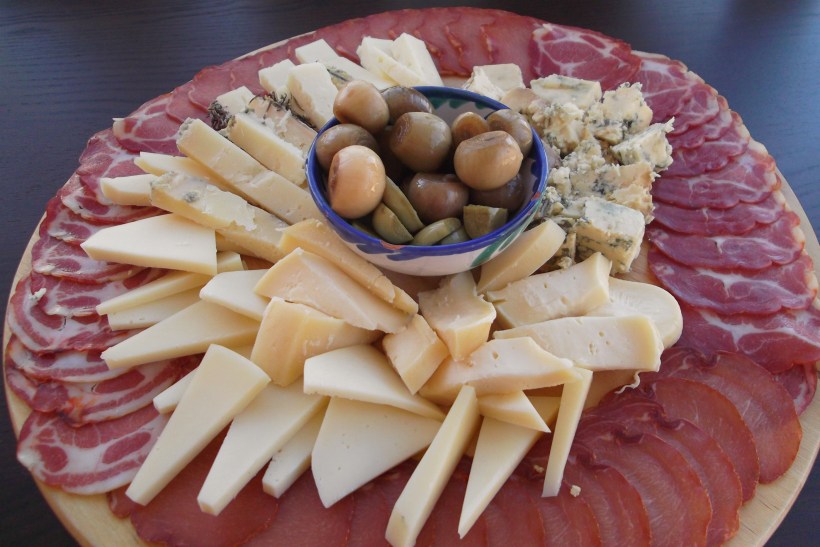
We enjoyed a lovely ham and cheese board with Spanish curado and semi curado cheeses, tetilla (do click on the link if you share my childish sense of humour), a gorgeous stinky stilton my parents bought over, and an amazing hard cheese (rather like a fresh parmesan) which is rolled in rosemary.

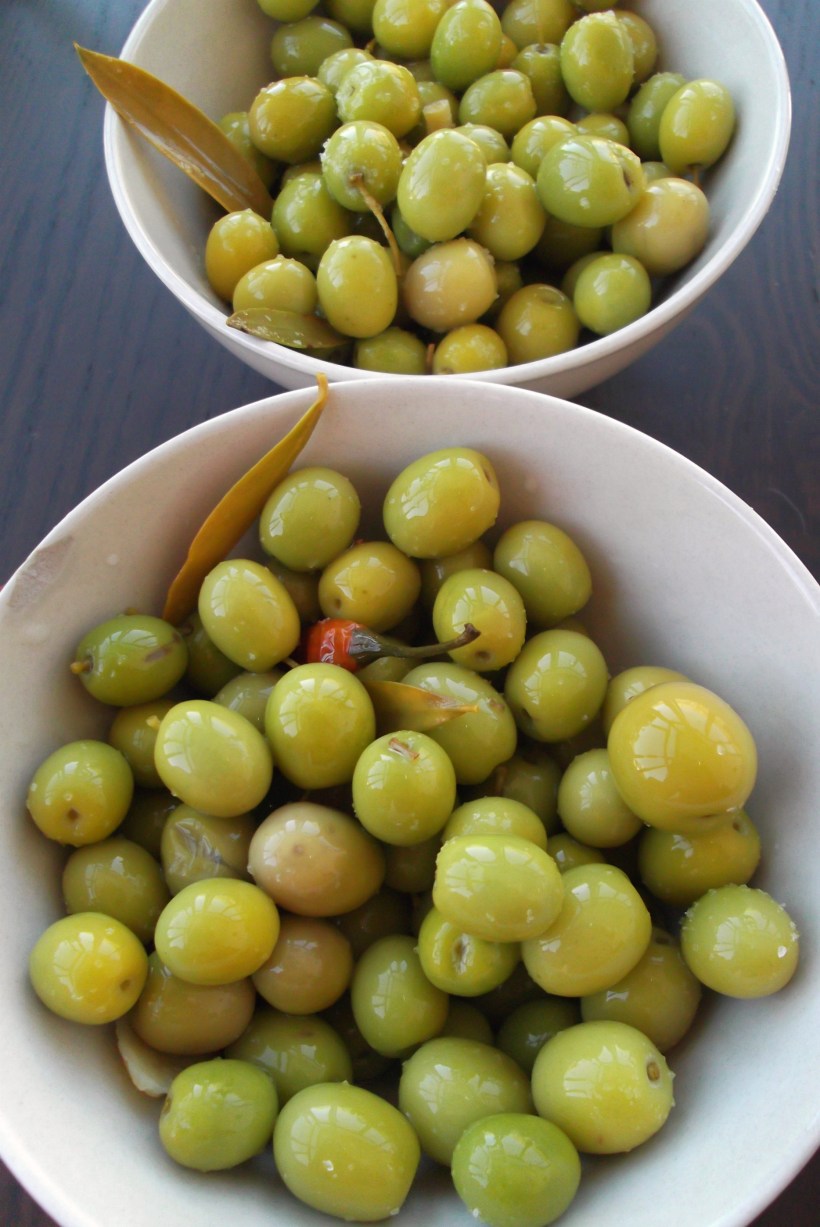
We ate home cured olives which the Spaniards were most impressed with. They thought Big Man had made them as they didn´t think a “guiri” or foreigner could make them taste so good…huh!

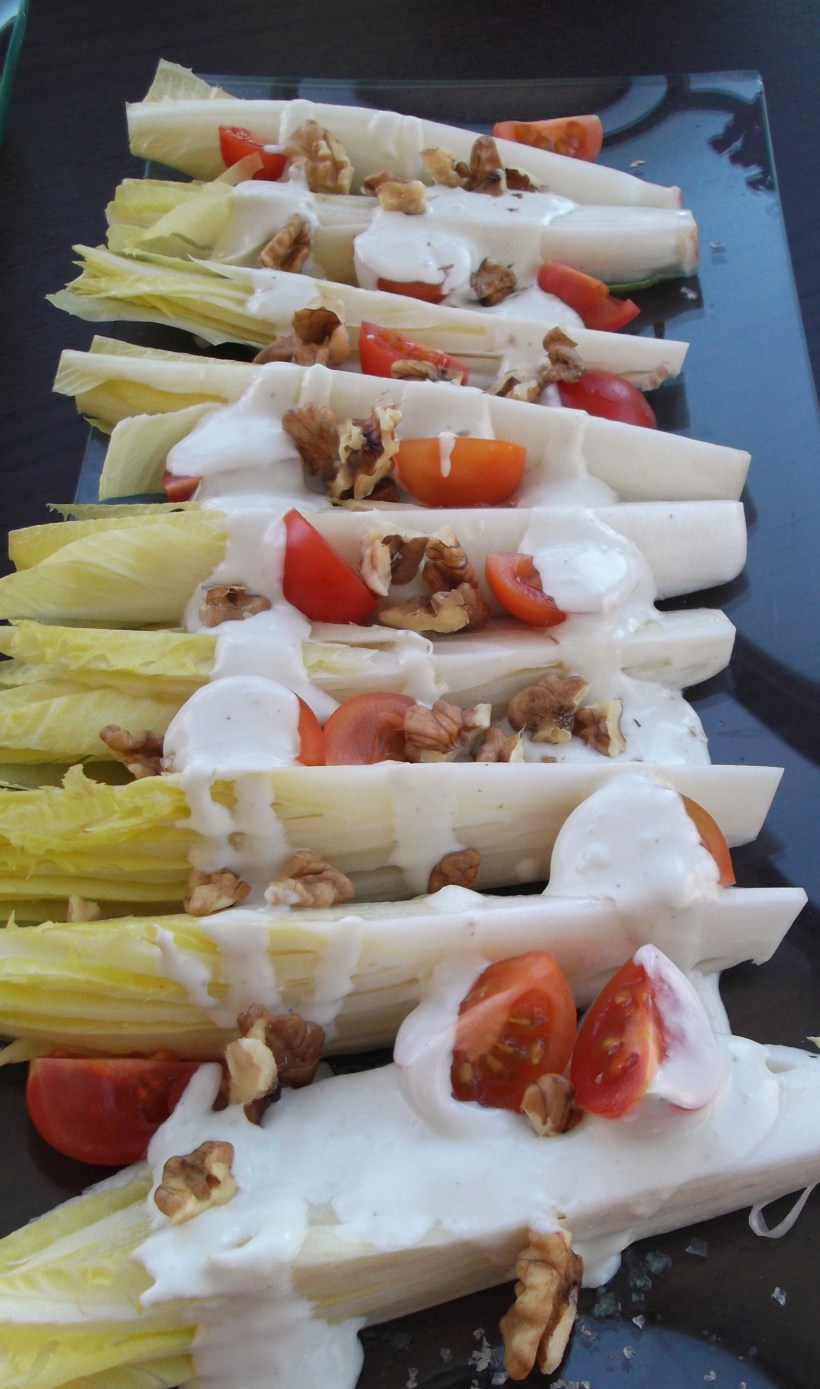
A chicory (or endive) salad with walnuts and blue cheese dressing lightened things up a bit.

Our butcher pal, Rafael, got to work in the garden doing his job. He looks fierce, but he´s really a gentle giant.

Look at the size of his hands – he couldn´t have been anything BUT a butcher!

Jointing the meat.

Working on the ribs.

Another pal took charge of frying the goat pieces in olive oil, bay leaves, chillies, peppercorns, garlic and white wine.

We tucked into a plate of Rafael´s “embutidos” – chorizos and morcilla.

Of course we ate desserts too, but more of those another day as I´m feeling full up again just thinking about what we ate.

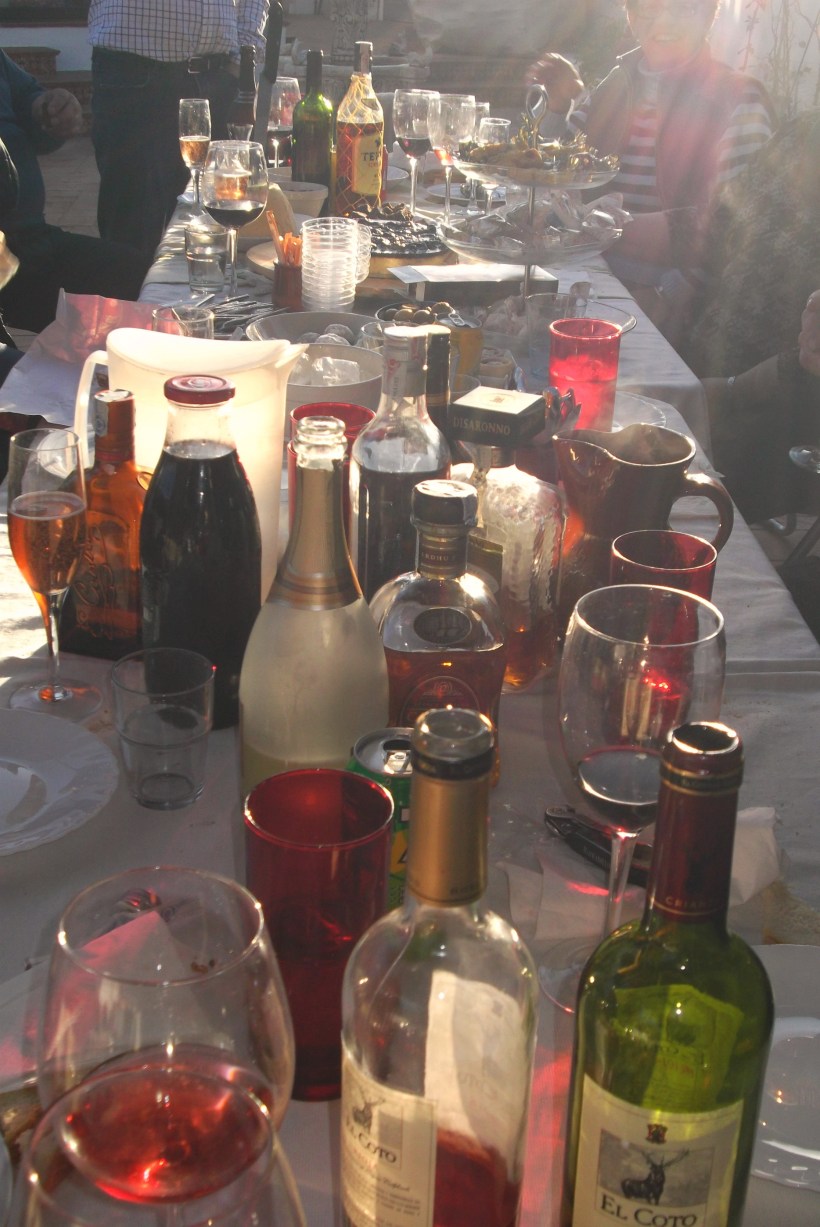
And drank.  A very messy but happy table by the end of the day.

Ok, I think I need another lie down now.

Solomillo De Cerdo con Uvas Pasas y Pedro Ximénez – Pork Fillet with Raisins and Sweet Wine

A popular dish for special occasions is fillet of pork cooked in a sauce.  We are lucky that it´s not too expensive, so pork fillet is eaten fairly regularly in our house, but usually it´s just plain grilled and served with a drizzle of olive oil and lemon juice.

Although New Year´s Eve was not the culinary delight we had hoped for, we had all rallied a little by the next morning, and my mum and I made this dish.  It´s actually quite simple to put together and requires no last minute fiddling, so a good dinner party dish if you have guests.

Ingredients (to serve 2)

  • One pork fillet
  • 1 large onion peeled, halved and thinly sliced into half moons
  • 2 tablespoons of raisins soaked in half a cup of sweet wine (bring the wine and raisins up to a simmer and leave for an hour or so or even overnight to plump up)
  • 1-2 cups of chicken broth
  • 1 teaspoon of cornflour dissolved in water
  • Seasoning
  • Olive oil

Start by seasoning your pork fillet all over and fry in a tablespoon or two of oil to seal and colour the outside then put the meat to one side.

Pour the wine into the pan in which you sealed the meat and warm it through, scraping up any meat juices as you go.

In a separate frying pan, slowly fry the onions until soft and transparent in some olive oil.  You can put a lid on to help them “poach”. When they are soft, put the pork fillet into the pan, pour over the wine and meat juices and a cup of broth.  Simmer gently for about 20-30 minutes until the meat is cooked through. You may want to add a little more stock as it is cooking.

When the meat is done, remove from the sauce and add a little blended cornflour to thicken the sauce slightly. This is optional, it´s up to you how liquid you like your sauce.

The fillet can either be served whole or sliced thickly with the sauce poured over. If you don´t drink alcohol, this is still a lovely dish made without the dessert wine, just plump up the raisins in extra stock.  With the wine the sauce is slightly sweet but tangy and savoury from the seasoning and stock.  Delicious served with boulangere or puréed potatoes or rice.

For another lovely version of this popular dish, check out Michi´s version here.

Potaje de Lentejas – Lentil Stew

Another “Plato de Cuchara” or spoon dish – we like our pulses here in Spain.  Many of these dishes were traditional as you could feed large families with few ingredients which were not costly.  Meats are typically added at the end (usually pork products) so the beauty is that they can be vegetarian dishes too, if you prefer.

Lentils are great, as apart from being cheap, they cook fairly quickly and only need rinsing but not presoaking.

For four people as a main dish or six as a starter you´ll need

  • About 500g of lentils – we have the flat green ones here
  • Water to cover
  • 3 tablespoons of olive oil
  • 1 medium onion, quartered
  • Half each of a red and green pepper, chopped into bite sized chunks
  • Two tomatoes cut into bite sized chunks
  • 1 bay leaf
  • A couple of carrots peeled and finely diced
  • A stick of celery plus the leaves (if it has leaves).  Finely dice the celery but not the leaves.
  • 4 or 5 whole fat cloves of garlic
  • 2 medium potatoes peeled and cut into small cubes (keep these in a bowl of water separately)
  • Sprig of fresh thyme or rosemary if you have it
  • ¼ teaspoon each of pimentón and paprika
  • Salt to taste (at end of cooking)
  • Optional – a couple of chorizo and/or morcilla or your favourite sausages

Rinse the lentils then add all the vegetables and spices apart from the salt to a large cooking pot.  Cover well with water, add the oil and bring to the boil.  Reduce the heat slightly but don´t let them come off the boil while cooking as this will make the lentils hard. They will probably take about 45 minutes or so.

When the lentils are soft, add the potato and meats (if using) and continue cooking until the potatoes are cooked. Remove the bay leaf and celery leaves and add salt (and pepper too if you like) to taste and you´re ready to serve. Slice the sausages into smaller pieces before serving. A drizzle of extra virgin olive oil and a squeeze of lemon over the top really lifts the flavour, but that´s just the way I like it!

Tastes even better the next day.

Travelling Hopefully

I believe there is a saying which goes something like “To travel hopefully is a better thing than to arrive” – well I have to say that I can´t quite agree with Robert Louis Stevenson. But I expect he wasn´t heading to London for eight days to visit my family and friends, so I´ll just have to excuse him.

I arrived home late last night to be met by my wonderful Big Man bearing flowers.  Lilies…my favourite. It´s been a while since he bought me flowers, (impossible to get where we live) so the surprise romantic gesture was very much appreciated.

Being a canny packer of cases, I always go right to the limit on my baggage allowances.  20kg in the suitcase, 10kg in the hand luggage and the biggest hand bag possible.  No, I most definitely don´t travel light!  I went out loaded with Christmas presents (can´t tell you much about them though, as I don´t want to give any surprises away).  The case was also packed with packs of chorizo and morcilla to make Fabada Asturiana, plastic lid things to “flip” your tortilla, chillies from my garden, wine glass/tumblers, gifts from my recent holiday, chocolates for my niece and nephew, books to entertain young children on a long flight to the States to see their grandmother, Spanish fans for a friend´s mum, olives, biscuits….well, I think you get the picture.

The advantage of this is that once you´ve unpacked and “shared the love”, you have an almost empty suitcase waiting to be filled with gorgeous things to take back home with you.  Of course, I wasn´t about to go home empty handed.

I carefully packed some lovely pictures done by the wonderful children I got to spend time with.  A very flattering portrait of me done by my 10 year old niece, Lara.  Look at that fabulous waist and bust…if only! A lovely thank you card from 4 year old William and his 2 year old brother Matthew.

Chocolate.  And then some more chocolate.  If you haven´t tried Quality Street, track it down!  Lots of lovely chocolate toffee and caramel sweets in a tin.  They just take me back to childhood Christmases when these were a very special treat.  And then you get to use the tin to put your cakes in!

I had a bit of a mad fabric buying spree.  I´m laying some of the blame for this on my new blogging pal Evie, over at Pendle Stitches.  I was the very lucky winner of this beautiful shawl that she had made, and it was waiting for me at my parents´ house.  Very handy actually, as it was a little nippy last week in London.  Anwyay, Evie suggested some wonderful fabric shops for me to look at in London.  The fabrics were amazing.

"Weigh" too much fabric!

Eventually I bought a huge variety of fabrics in Tooting Broadway, my old neighbourhood in South London, plus an amazing discovery of some vintage fabrics, still neatly folded and never taken out of storage since about 1950.  They almost tipped me over the baggage allowance, but as there were only 31 people on the flight home (I felt like I was on my own private jet), the check in girl turned a very kind blind eye to my extra kilo…20 metres of cotton, linen, silk, jersey, viyella, crepe and who knows what else do weigh rather a lot.  I also bought a new magazine to inspire me.

I´ll make that one day.....

And finally, to food.  My mother stocked me up with all sorts of odd and bizarre things I find hard or expensive to buy out here.

All spice berries, Golden Syrup, Maldon Salt.

Sugar and spice and all things nice

Loaf tin liners and vanilla for my baking.

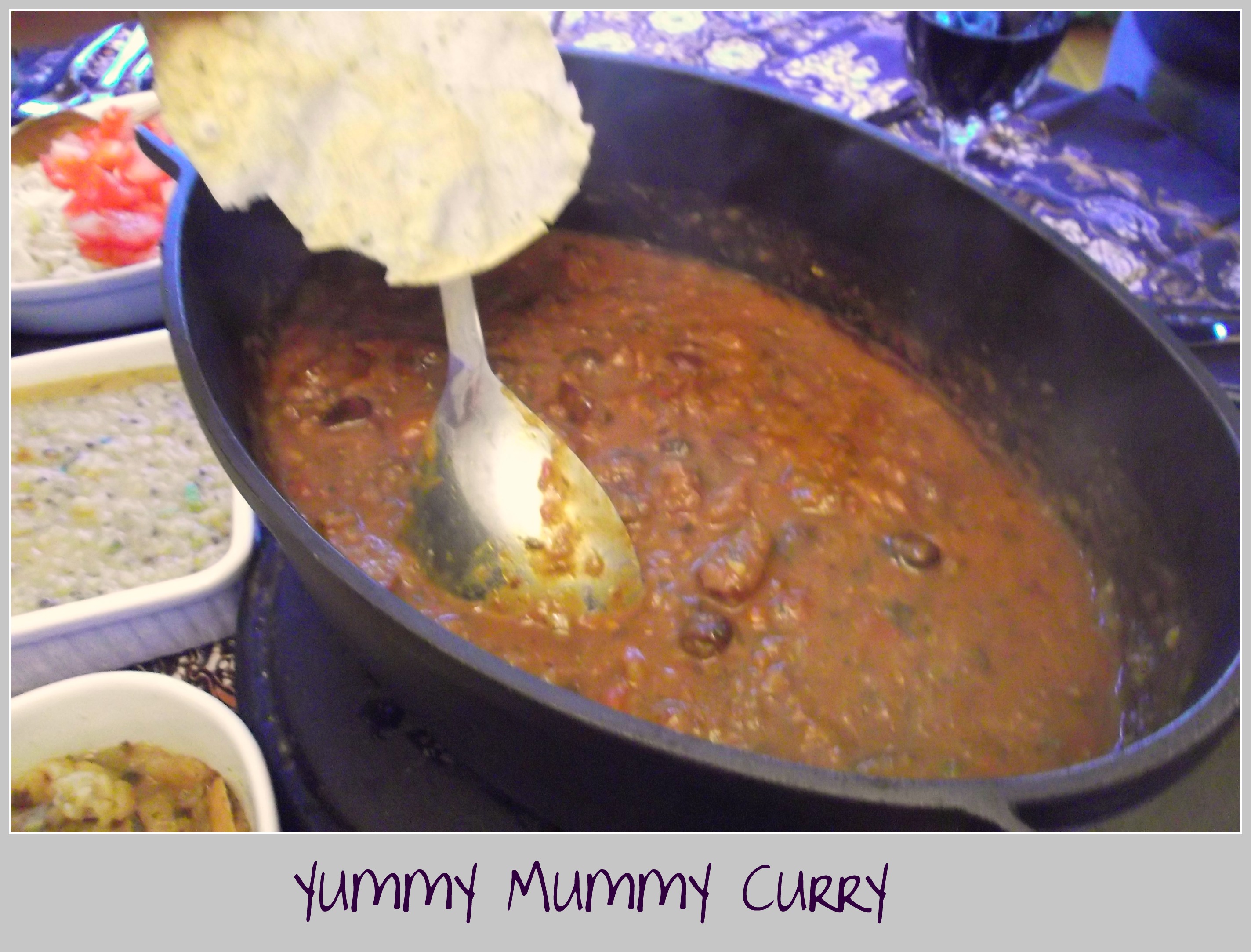
My mum made me a wonderful beef curry with lots of vegetable curries to accompany it.

Best friend Ria made a fantastic chicken and cannellini bean casserole (recipe another day) even though she was feeling poorly last week.

And talking of food, guess what?  I got to meet one of my new blogging pals face to face.  It was Mad Dog, who was not in the least bit mad and not remotely dog like!  We spent a happy and all too short hour in Bar Italia, in the heart of London´s Soho, drinking coffee and chatting about food, Spain, food, photography, food, ourselves.  What a great guy he is, and he gave me a fantastic gift of the film Tampopo, a comedy featuring…yes you´ve guessed…food!

So, now I´m home again and looking forward to getting back into my kitchen. Big Man has already started stocking up on autumn fruits and vegetables.

A neighbour gave us a crate of Membrillo, or quince, so we´ll be making quince jelly this weekend.

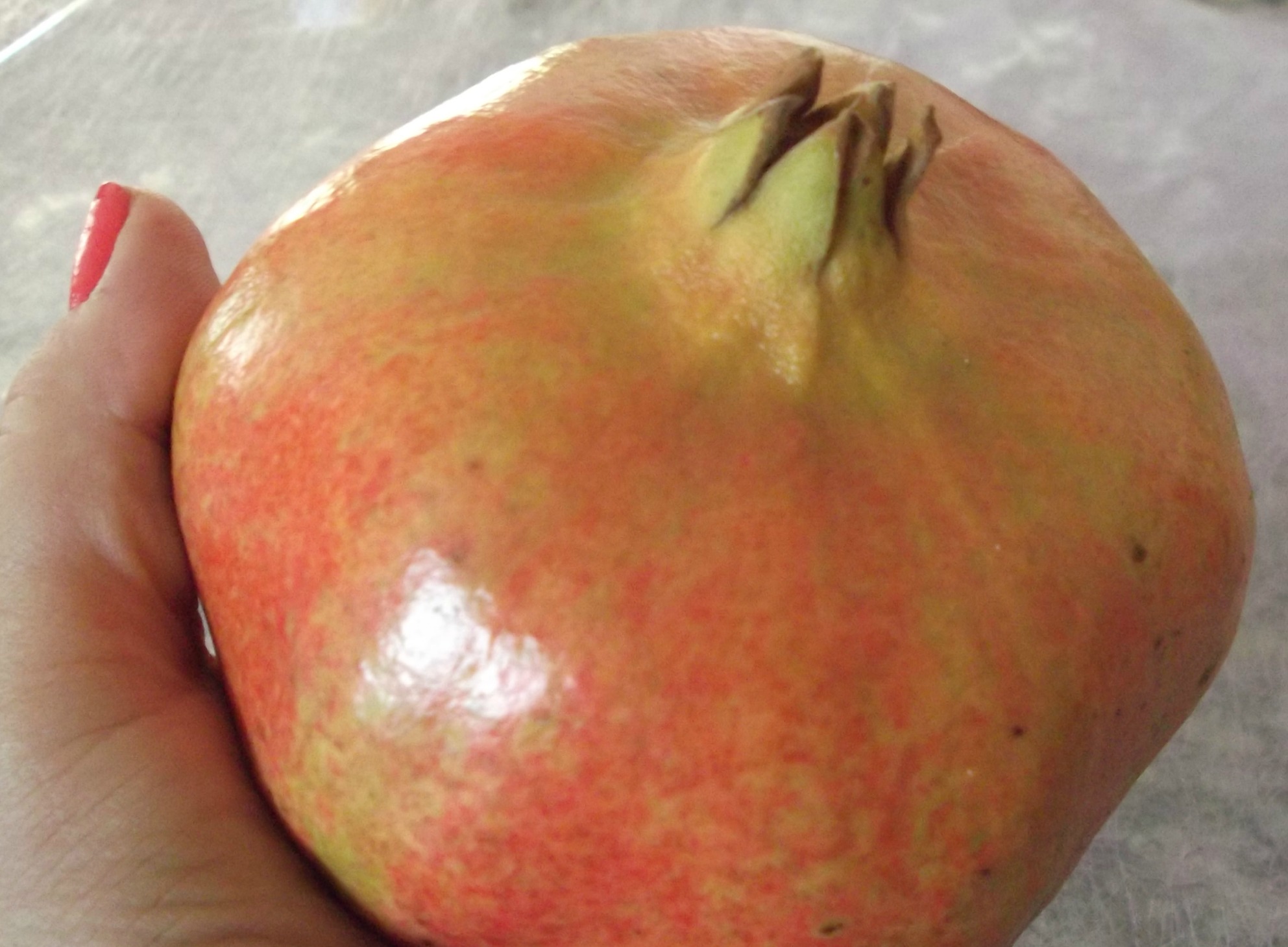
Another neighbour gave us some enormous pomegranates (or Granadas) from his tree.  I may just have to eat them as is, as I adore them served simply.

I also have a couple of kilos of broad beans, but I think you already know many of my recipes for this gorgeous little vegetable.

So, time to unpack, wash, cook and sew.  Sounds odd, but I can´t wait!

PS. Am looking forward to a few days of blog catching up – really looking forward to seeing what you have all been up to.