Gambas al Pil Pil – Sizzling Spicy Prawns

This is a hugely popular and typically Andalucían tapas dish or starter.  I have tried to find out the origin of the words Pil Pil and some say that it comes from an Arabic word felfel (I don´t speak Arabic so assume it has something to do with spice or chili).  Others say it comes from the sound the prawns make sizzling in the hot oil. I don´t know if either are true – I like both stories, almost as much as I enjoy making and eating Gambas al Pil Pil.

If you can get hold of good prawns (or shrimp) then this is a very easy yet impressive dish to serve to your guests. If you have a terracotta dish to cook them in, well that´s even better as it does add something special to the taste and the prawns stay hot and sizzling for a few minutes as you bring the dish to the table.

Per person for a good tapas serving you will need

  • 100g peeled prawns (defrosted if frozen)
  • 1 dried hot chili and/or half a teaspoon of hot pimentón – this is down to personal taste – crumbled
  • A fat clove of garlic, peeled and sliced
  • A good pinch of salt

About 2 tablespoons of olive oil (if you are doing a large serving, just use enough oil to half cover the prawns)

Start by putting everything apart from the prawns into a frying pan or terracotta pot. Turn up the heat and cook until the garlic begins to turn brown at the edges.

When you want to serve your dish add the prawns and cook at a lower heat until the prawns are cooked through then turn up the heat until they begin to sizzle.

Serve with plenty of bread to mop up the delicious chili oil. If served in a large pot or pan, it is traditionally served as a sharing dish. Everyone has their own fork and “prongs” their bread into the juices.

Serve with an ice cold beer, a chilled manzanilla or a crisp cool white wine.  ¡Buen provecho!

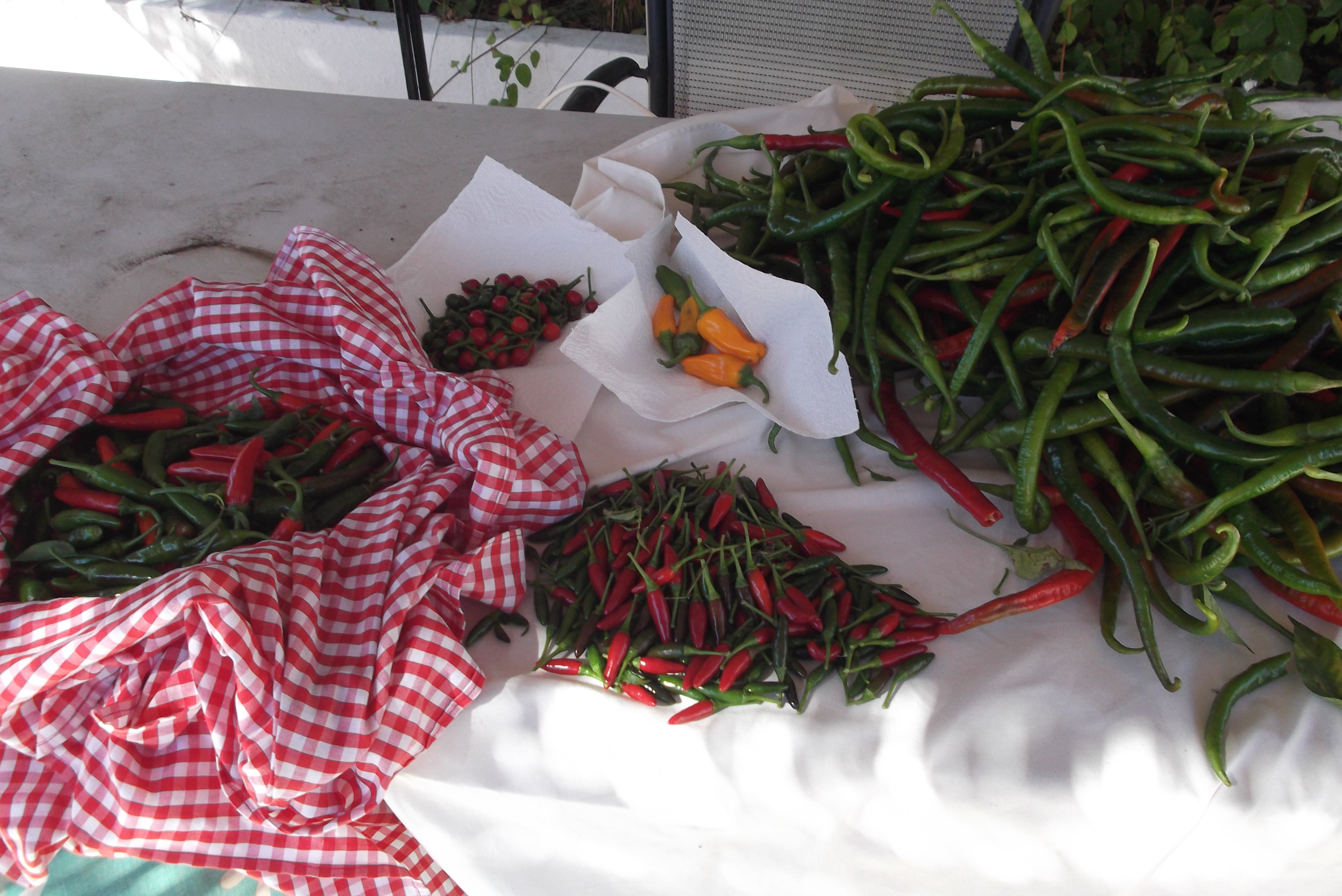
PS. No fear of me running out of chillis this coming year…the harvest is now safely stored and drying in the shed!

Fabada – Asturian Sausage and Beans

When we travelled to the distant north of Spain, we bought back some foodie memories with us. Well, a little more than memories, we bought back beans and smoked meats to make the famous Fabada.

It´s one of those dishes which needs the authentic smoked blood sausage (morcilla), chorizo and pork to achieve the “real” taste, but it also lends itself to “making do” depending on the ingredients you have to hand.

The ingredients given below can be interpreted fairly loosely to make a lovely bean, ham and sausage stew if you can´t get hold of the Asturian versions.  I also like to be lighter with the meat than some people, so feel free to add more. This recipe will serve six as a main course, but it does keep well for about 5 days in the fridge.

You´ll need

  • 1kg of Fabes (or any large dried white beans)
  • 1 small blood sausage
  • 1 or 2 chorizo (depending on the size)
  • About 100g piece of smoked or unsmoked or salted pancetta or pork belly (or use chunky lardons)
  • ½ teaspoon of saffron or add a teaspoon of sweet smoked paprika or pimentón instead
  • 2 bay leaves

This dish really improves by making it the day before you want to eat it, although it´s not essential, and if you have an earthenware bowl to cook it in, even better!  The day before making the dish put your beans into soak in plenty of water.  In a separate bowl of water soak any smoked or salted meats.

Using the water you soaked the beans in, put them in your cooking pot with about a depth of  3cm of water above them.  Bring to the boil then skim off the froth which will appear. Dissolve the saffron in a little water and add to the beans (or add your pimentón or paprika directly to the water).  Now add the pork belly or pancetta, bring to the boil and skim and then repeat with the chorizo and morcilla.

Add the bay leaves, make sure all the meat is pushed to the bottom and then cook very slowly for about 2 or 3 hours.  Try not to stir as this will break the beans, shake the pot if necessary and top up with boiling water if needed.

You should be left with thick creamy beans which still hold their shape.  I like to thinly slice the meats and sausages so they can easily be eaten with a spoon.  This is a “plato de cuchara” or a “spoon dish” as they call it here.

Serve with a good robust red wine, plenty of bread and I like a tomato and garlic salad on the side. ¡Buen Provecho!

It´s Getting Chilli in the Garden

Well, they say there´s no rest for the wicked, and no sooner was I back home than I was out digging up chilli plants and other sad looking vegetables.  It´s been a fantastic year for the chillies, I have grown five varieties, although I don´t know really what they´re called.  Long chillies, medium chillies in red and yellow, round chillies and tiny ones which are probably cayenne. Anyway, it´s a lot of chillies.

This is about two thirds of the crop, the rest have already been pickled, frozen, dried or made into sweet chilli dipping sauce.  Check out this amazing recipe from Natalie at Cook Eat Live Vegetarian.  I´m also going to try Fati´s recipe here later this week.

I spent a happy couple of hours putting my sewing skills to use in rather a different way.  Using strong cotton thread and my own special patented (!) stitch, I strung a couple of hundred chillies up to dry in the sun.  If the weather turns bad, I´ll hang them up in the shed where it´s nice and dry.

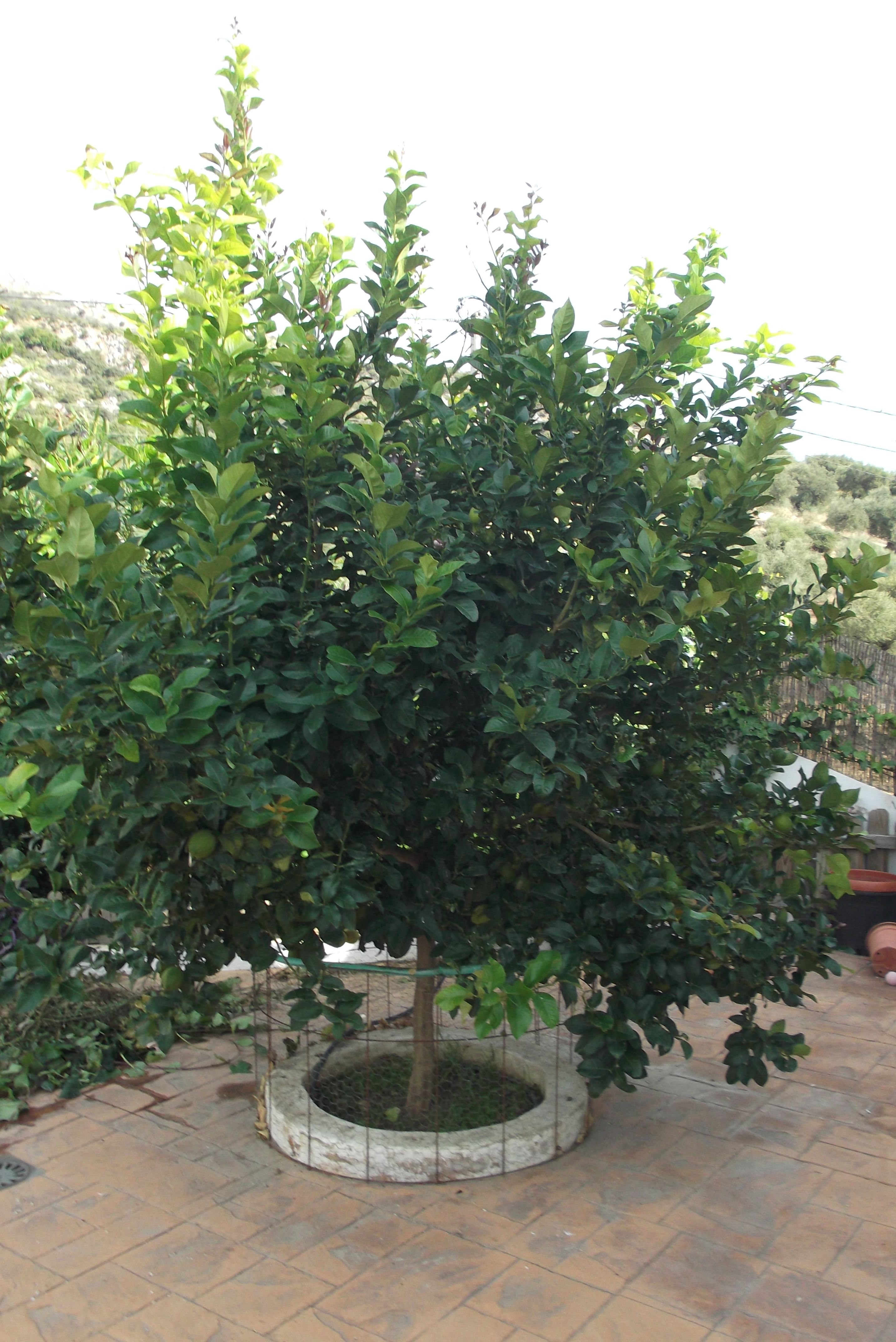
When we moved to the house three and a half years ago we planted our lemon three which this year finally took off and started producing lemons.  It´s gone a little mad now but we´ve been advised not to prune it until May.

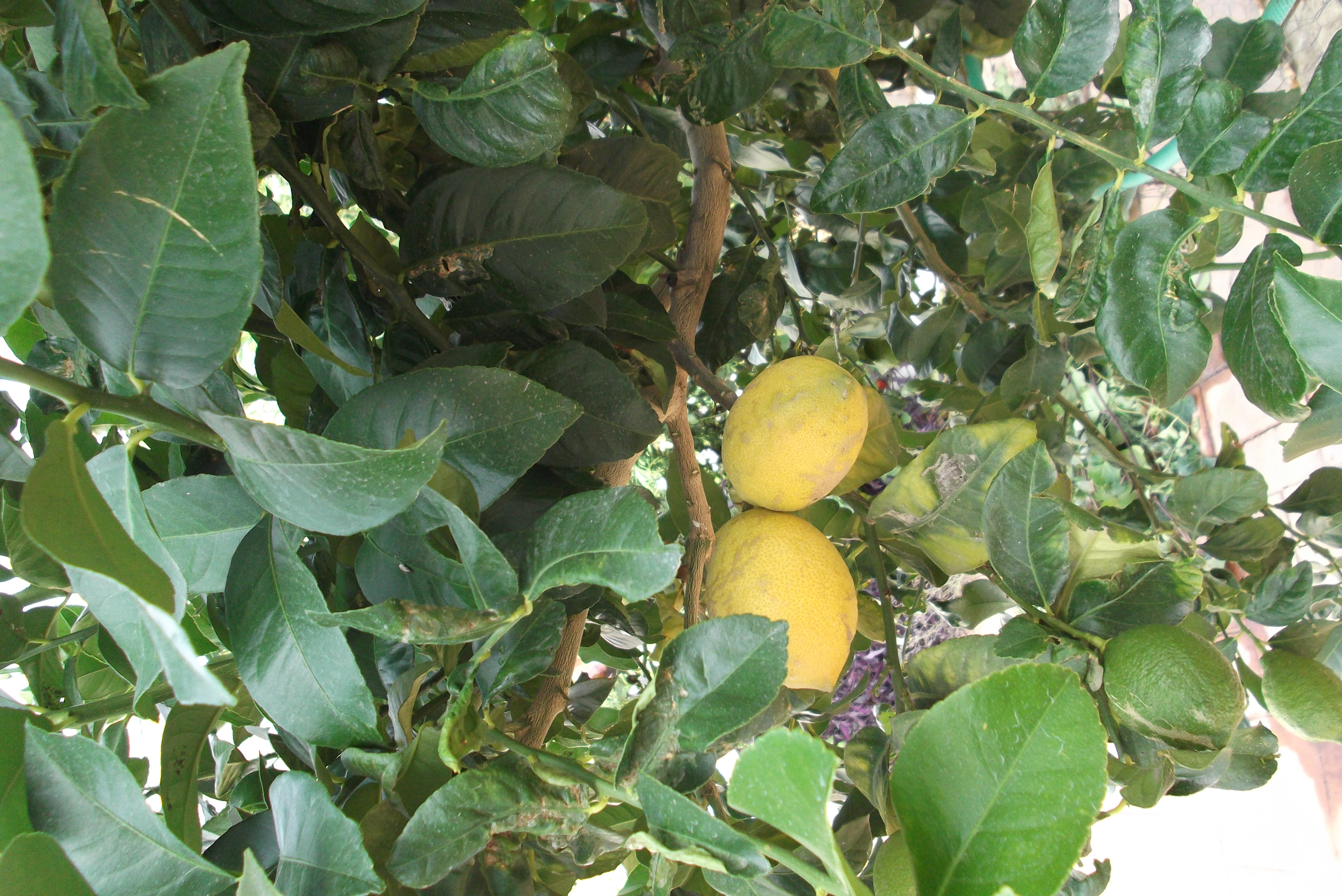
Fortunately we now have lemons which have very kindly decided to turn yellow.

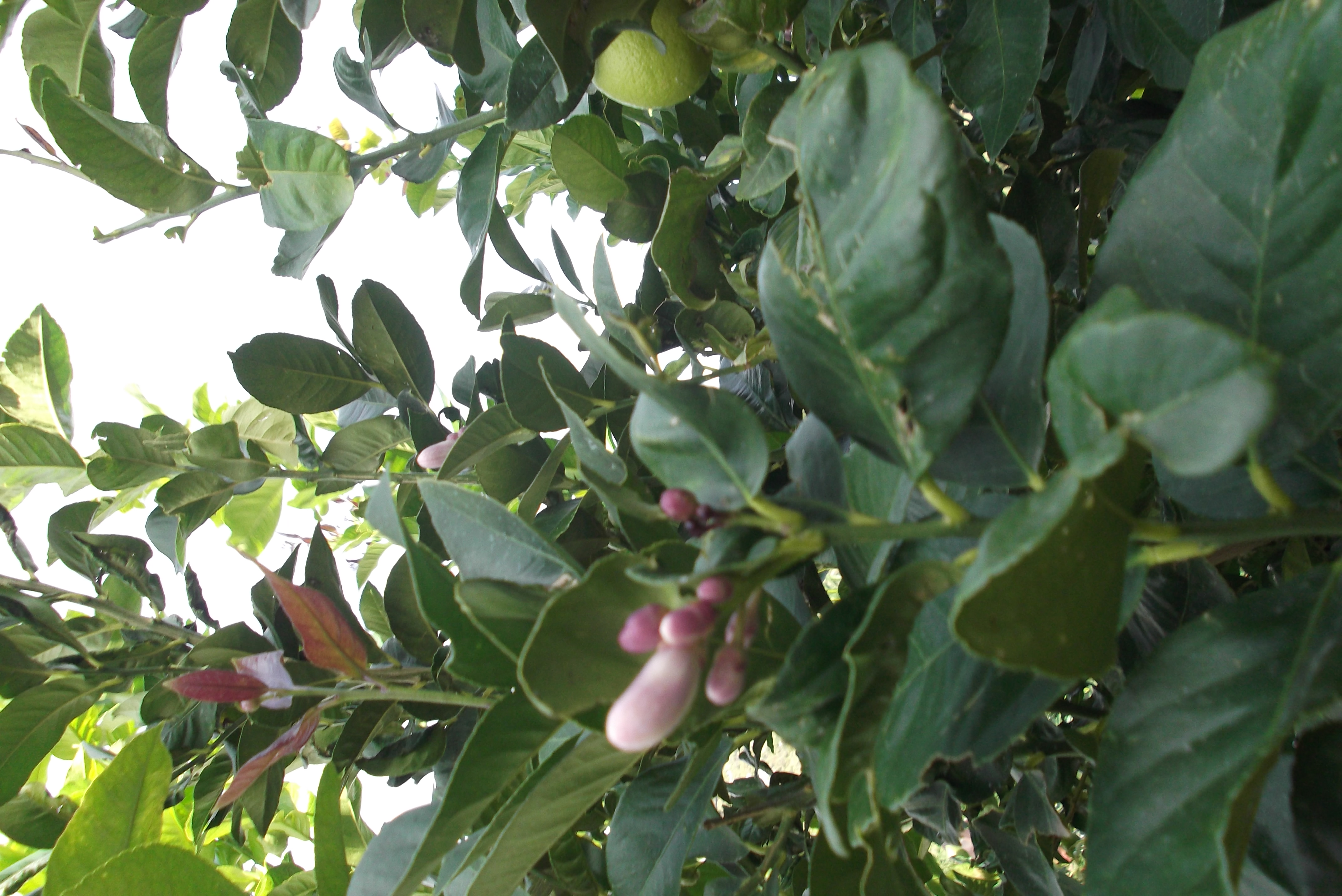
And new flowers every new moon.

Then, just to take us by surprise, although I think it knew its days were numbered, our Bougainvillea finally decided to stop looking like a dead twig and make our garden look Mediterranean.

So the roses decided to join in.

The garden seems to think it´s spring, so “shhhh” don´t say a word and for goodness sake don´t tell it it´s really autumn.

DVD Night Empanada

Back from our surprise mini break, the fridge was pretty bare and we needed a quiet night in to recover from living life in the fast lane with the oldies! It was a tough job to keep up with them…we needed a night on the sofa to recharge the batteries.

If you´ve ever spent time in Spain, you´ll probably realise that tv here is generally not all that much to be reckoned with. There is one programme called Cuéntame Cómo Pasó which I love.  It´s a well observed period drama which has won loads of awards and has been going on for years.  It documents the social changes in Spain particularly during the Franco regime and the collapse of it.

There are also some good UK and US series which are shown, although often quite badly dubbed.  They tend to use females with silly voices to play the parts of children, which is most bizarre.  And of course we have plenty of football, tennis and sports coverage as well as pretty good news coverage.

That said, summer tv scheduling is, as in most countries, pretty dire.  Well, who wants to be stuck inside watching tv when they could be out dancing at a fiesta?  Sometimes though you just want to slump in from of the “tele” and disengage the brain for a couple of hours.  Time for a DVD.

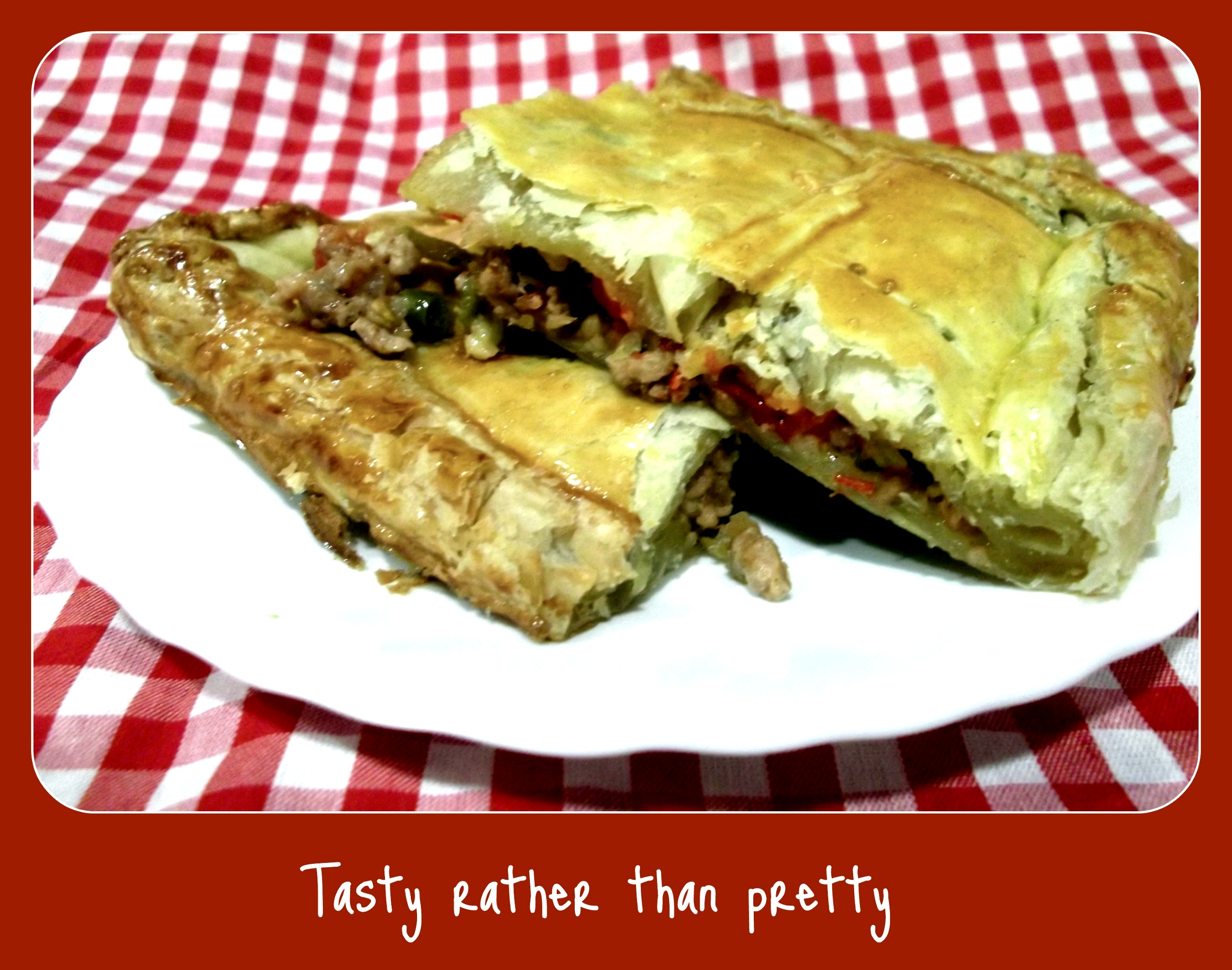
Inspired by some of the delicious Empanadas we ate on our recent trip, I decided I´d make a large one to see us through the DVD.  Kitchen skills for this dish were fairly minimal relying on two sheets of defrosted puff pastry and a quarter of a kilo of minced pork. A traditional Empanada from Galicia is more typically made though with a light bread dough, so apologies for the shortcut.

I sautéed the pork with a chopped onion and two cloves of crushed garlic. Then I added half a cup of tomato sauce and one chopped grilled red pepper, some sliced mushrooms and a few chopped capers (which I´m having a bit of a love affair with at the moment).  You can use whatever you have to hand and you fancy. Don´t let it dry out, you want it a little “saucy”.

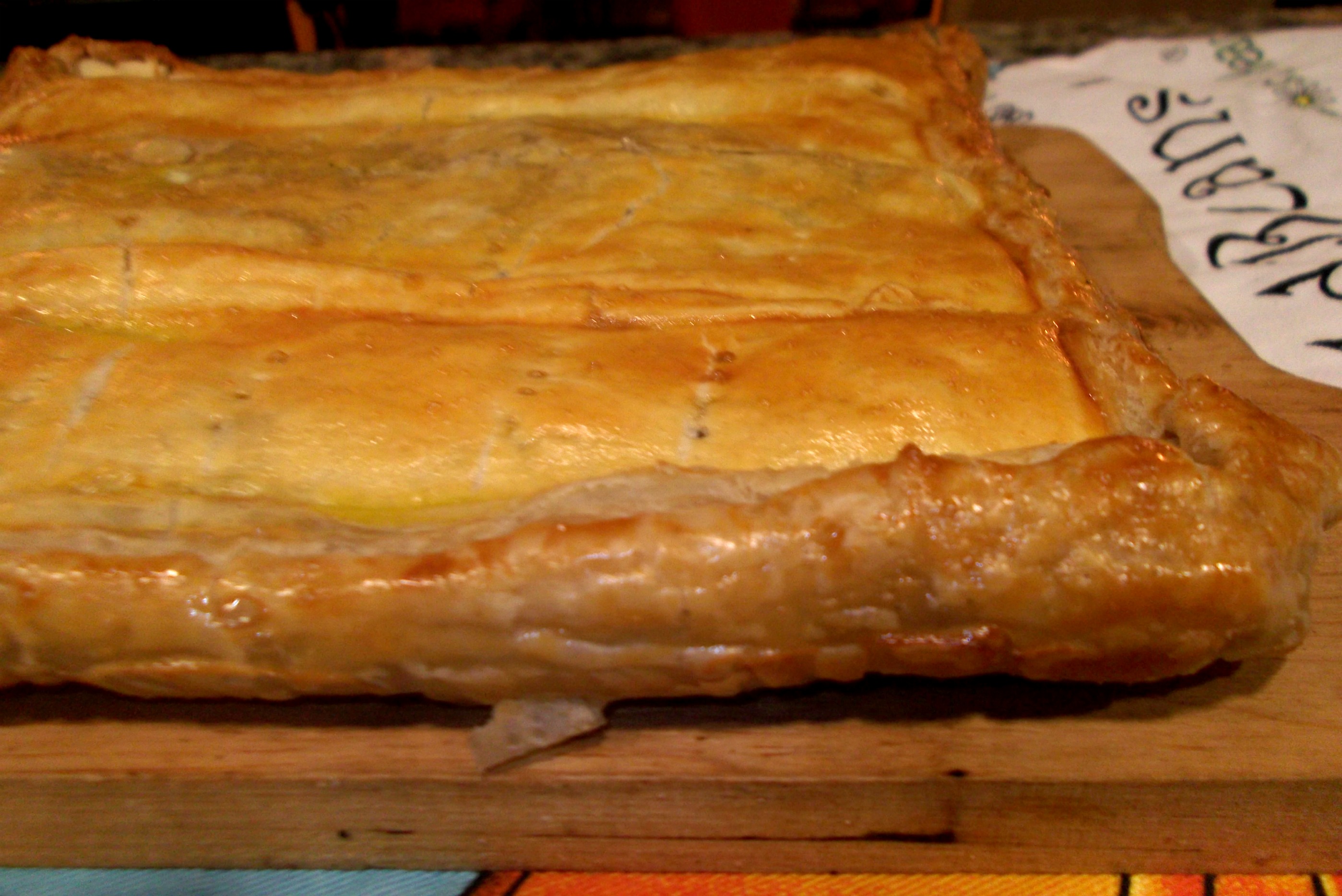
To assemble the dish lay one sheet of puff pastry on a baking tray and turn the edges up slightly all the way round to form a lip.  Fill with the cooked meat mixture and spread it around evenly.  Put the other sheet of pastry on top and pinch the edges together.  Prick it all over with a fork and brush with beaten egg.  Bake in a medium oven for about 25 minutes until the pastry is golden.

We ate it with a tomato, onion and basil salad and long cold glasses of tinto de verano.  That´s red wine mixed with casera which is a sort of not very sweet lemonade.  I know, it sounds odd but believe me when it´s a warm evening and you need to drink lots it´s a great refresher with not too much alcohol and lots of ice cubes.

And what did we watch? Well, a very foody film which I thought was going to be in Spanish but we only realised about 20 minutes into the film that we were actually watching (and both fully understanding!) in Italian.  It´s one of my favourites, Big Night, with Stanley Tucci.  Watch this short clip if you have time.  I bet we´ll all be making Timpano soon – I know I´ve already spoken to my mum to find out our family recipe.  We call it Timballo though, but it´s the same thing.

For a fantastic version of this amazing dish, hop over to Ambrosiana´s recipe here.

Caponata – Calabrese Style

When I was young we used to spend summers in Calabria, Southern Italy, where my father is from.  He was the youngest of 9 children, 6 of whom were girls.  His older sisters all used to fight over who we would stay with during our holiday, as most of them had had a hand in bringing him up and treated him almost as a son.  We used to try and divide our time up with the various families, but my happiest memories were of staying with my Zia Santa.

Grazie Zia - ti voglio bene

When I mentioned this once to someone in the UK they asked me if it was strange having an aunt named after Santa Claus.  How bizarre, I thought, it had never once crossed my mind that her name might sound unusual to anyone else.  In Italian Santa is a female saint, or a “blessed one”.  My Zia Santa was indeed a saint, she had a hard life and lived in very basic simplicity for the whole of her married and then widowed life.  But we loved being with her.  She had one bedroom where my parents slept in her huge dark wood framed bed with my younger brother on a fold out bed.  Her bathroom only had a toilet and a sink where she also washed all her clothes.  The only other room was a large living, dining, kitchen area which looked onto the main street of the little village, called Longobardi.  I slept here with my aunt, her on a bed and me on a mattress – and every night we would giggle together like two little schoolgirls rather than an aunt and niece who were separated in age by over 40 years.

There was a small balcony which served as the telephone. If people wanted to give you a message they stood in the street and whoever was nearest the window stood there and took the message.  Likewise, if you wanted to let a neighbour know some news, all you had to do was stand on the balcony and tell a passer-by.  You were in no doubt that the message would reach its recipient almost as instantly as an e-mail or text nowadays.

Zia Santa was an incredible cook.  August was always taken up with drying tomatoes on her flat roof, or bottling tomatoes to go into the huge storage area on the ground floor.  It never struck me as odd that there was this enormous space downstairs that could have been converted into a bathroom, bedroom, laundry room…whatever.  It was more important back then to have a good space to store the cheese, salami, prosciutto, olive oil and tomatoes for winter.

I´m trying to write down all the recipes that Zia Santa taught me, my mother and, some years, my English grandmother to cook.  Today it´s Caponata.  I had to call my mum to ask her what the special ingredient was.  Our family caponata was never the same as any other I´ve tasted.  I´m sure there are thousands of family recipes, each one different from the other.  This is ours.

  • About 1kg of aubergines (eggplant, melanzane) finely chopped and salted, then left to drain for about 30 minutes then rinsed and patted dry
  • Olive oil – plenty for frying
  • 1 onion finely chopped
  • 3 sticks of celery finely chopped
  • 4 tablespoons of red wine vinegar (although I used white as that´s what we have here and it was delicious)
  • About 500g of ripe tomatoes peeled and finely chopped
  • Up to 2 tablespoons of sugar
  • About a quarter of a cup each of chopped capers and chopped stoned olives (black or green)
  • Seasoning
  • The grated zest of half an orange – the secret ingredient!

Fry the aubergine chunks (which in all other recipes I´ve seen is left much chunkier).  Zia Santa used to deep fry, I shallow fry.  The choice is yours.  Set them aside when they are browned and soft.

Now add the onion and celery to the pan with more oil if necessary and fry with the lid on until soft and translucent.  Turn up the heat and add the vinegar and allow it to reduce almost completely. Turn the heat back down and add the tomatoes, seasoning and about half the sugar and simmer for about 15 minutes or so or until the celery is tender but still retains a little crunch.  Stir in the aubergines, olives, capers and orange zest and taste.  It should be “agrodolce” sweet and sour – add the rest of the sugar if necessary and allow it to dissolve.

This dish is best served the next day and will sit quite happily in your fridge for several days.  We used to eat it at room temperature as part of the antipasto but it´s also good as a side dish.

And don´t forget, do shout out of the window to let me know if you enjoyed it!

Pimientos de Padrón – A Spicy Little Snack

Eat them with your fingers!


Pimientos de Padrón are a popular tapas, especially when they´re in season during the summer.  They are little green peppers that come from a town in Galicia (northern Spain) called Padrón.  So, their name translated means “peppers from Padrón”.  A little saying about them is that “algunos pican, otros no” which means “some are hot, some are not”. To be honest, as a dedicated chili eater, they´re mostly not that spicy…apart from some we grew last year which seemed to want to be like all the other chilis in the vegetable garden and nearly blew my head off!

Ready for frying

If you do manage to find them, all you do is deep fry them in very hot oil.  When the skin starts to blister and turn black (this will take long moments rather than long minutes), drain them and sprinkle heavily with coarse salt.

Frying tonight!

Eat with a cold beer to wash down the spicy, salty tastes or a delicious clara (that´s a shandy to you and me).

Just what you need...

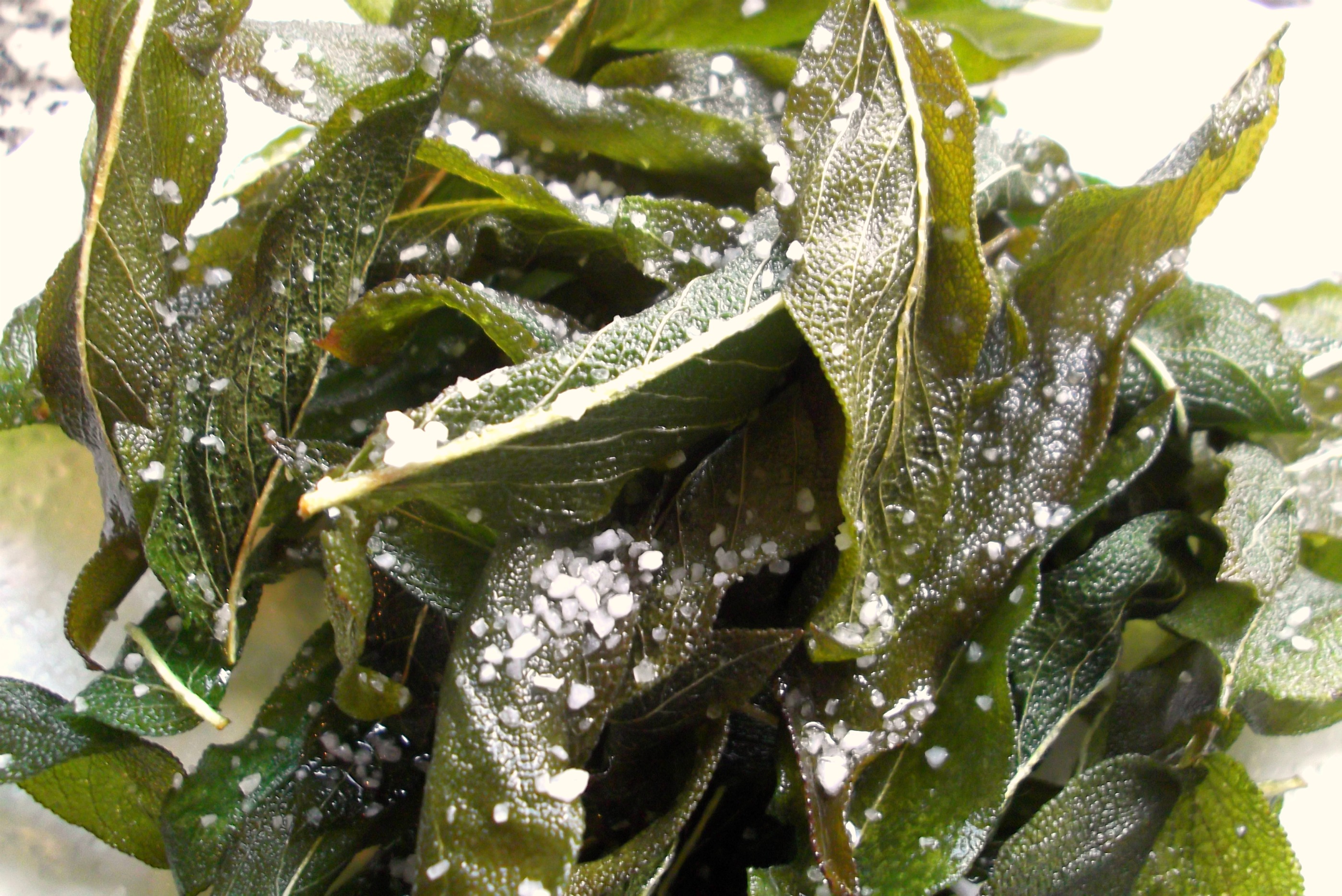
And whilst you´ve got that oil hot, how about quickly deep frying some sage leaves and sprinkling them with salt too.

Scarily Addictive Sage

They can become really addictive, and as it´s a herb they´ve got to be better for you than crisps…haven´t they?!

Tasty Tabbouleh

Fresh and delicious

When you are lucky enough, as we are, to have a vegetable garden full of tasty summer tomatoes, cucumbers and peppers, you are always looking for new ways to serve them. Arriving home from our holiday, we found the veggie garden over run with peppers plus we had a few cucumbers and the first of our new batch of tomatoes turning red.  A neighbour had also left four huge and sweet onions in a bag hanging on our door.  What a great homecoming!

I love tabbouleh, but had forgotten about making it until another kind neighbour bought me round a bag of bulghur wheat.  I have very kind neighbours! It reminded me of how much I enjoy it and what a great use of my summer vegetables it would be.

It´s very easy and quick to prepare and can be made a little in advance of eating so that all the seasoning is absorbed and flavours your salad.

As I was finely chopping a mixture of tomato, cucumber, onion and garlic I realised how similar the base ingredients are to an Andalucían gazpacho, both the blended and the chunky versions.  I also added chopped green and red peppers. I´m not sure how traditional they are but we still have so many, it seemed silly not to.

The wheat had been cooked according to the instructions on the pack, all very simple and straightforward, and when it had cooled a little I added my chopped vegetables, chopped mint and parsley, salt, olive oil and plenty of lemon juice.

And that was it. I left it to chill a little then bought it back to room temperature before eating.  How simple and delicious was that?!

Pickled Chilies, Fridge Chilies, Dried Chilies, Chilly Chilies

Can you guess what this post is about? There´s a small hint in the title…

Yes, I am a complete chili addict.  I love things hot and spicy, but I know that not everyone else does.  Big Man has gradually increased his “heat tolerance” over the last few years, but he´s still got a way to go before he catches up with me.  A way around this is to grow your own chilies and then use them as you like.  They´re hard to buy here, Spain is not typically a nation of spicy food lovers.

Most of the chilies ripen at around the same time.  We planted late this year, so ours are all starting to turn red or orange (some are picked green) in early September. When you have this glut of chilies, you have to do something with them to keep them for the year ahead.

Chili Heaven

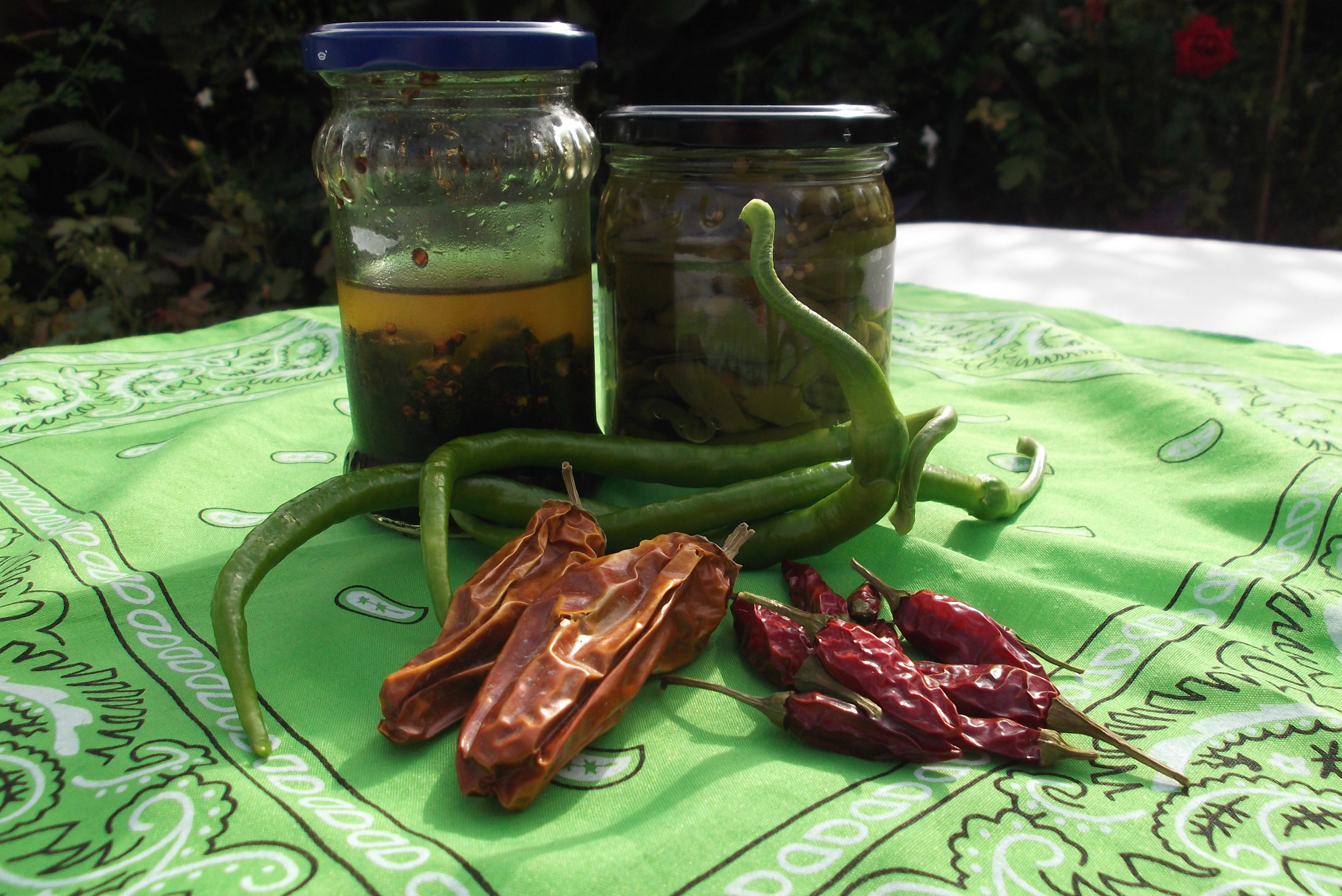
The simplest methods are (apart from eating them fresh), to freeze them or dry them.  Last year I planted long thin green chilies, some stubby orange ones, and the fiery cayennes.  You can see them in the photo.  If anyone wants seeds, please let me know and I´d be happy to mail them to you…honestly, if you have the weather for growing them they should do well.

This year I also planted some that a neighbour gave me (I don´t have a photo as they are not ripe yet) of some super fiery pinky red chilies that look like little balls or rose hips when they are mature.  If anyone knows what they might be, I´d love to know.

Some of my chilies I pickle and I followed the guidelines in Olives and Artichokes post here.  I used mustard seeds and peppercorns in this particular jar, but am going to enjoy playing around with spices and pickles over the next few weeks.

And a final way, which may be new to you, is my mum´s refrigerator chili preserve (for want of a better name) which keeps for a month or two and is for dedicated chili lovers who enjoy spooning spicy fresh chilies over anything and everything.  Cut your chilies finely, scissors help with this as they help avoid nasty incidents with chili fingers in eyes.  Put them into a sterilised jar (recently out of the dishwasher is good). Cover the chilies with oil (I use olive oil but any oil will do) and soya sauce (about 8 oil to 1 soya).  Keep in the fridge, shake before serving, and enjoy the buzz!

We are off on holiday tomorrow (yay!) for a week – looking forward to catching up on all your posts and comments when we´re back.  ¡Hasta luego!

Pulpo a la Gallega – Galician Style Octopus

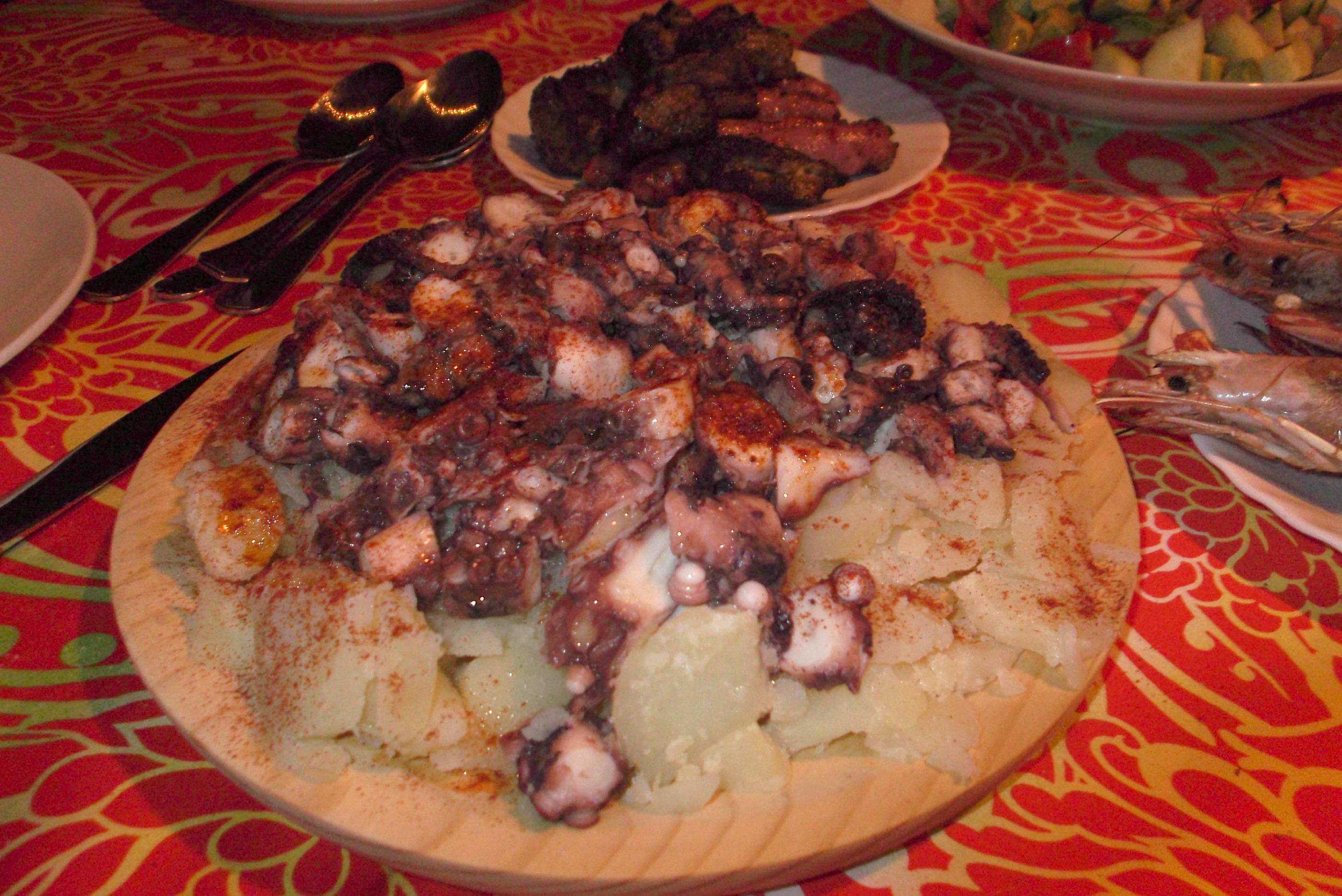
It was dark when we ate...sorry!

Now, don´t go getting all squeamish on me, because today I´m going to explain how to cook an octopus! This is a dish which traditional comes from the north west of Spain in the autonomous community of Galicia.  It sits on the border with northern Portugal and has both an Atlantic and a Bay of Biscay coastline.

This coming weekend we´re taking a little holiday and heading north to Galicia and Asturias, so I´ll be able to show you some photos of the “real deal” soon.  In the meantime, I´ll just set about cooking one of Galicia´s most famous dishes, Pulpo a la Gallega.

First take your octopus….ok, so I appreciate some of you may not be able to get hold of a fresh, whole one, but if ever you do, you´ll know what to do with it.  They´re white when raw and turn a beautiful purple colour when cooked.  All the nasties (i.e. the muck and eyes) are contained in the head.  If you´re game, just chop the head off, cut off the section with the eyes and scoop out the nasties from the inside.  Give the whole thing a good rinse, including the tentacles and you´re done.  Alternatively you can clean it after it´s cooked, but it leaves you with mucky stock.  And no one likes mucky stock, do they?! Ok, that´s the messy bit over, the fainthearted can join us again now.

For info, you don´t need to beat your raw octopus against a rock until it´s tender like you may have seen in quaint fishing movies.  Just freeze it first for a day or two and when it´s defrosted you´ll have a lovely tender octopus.

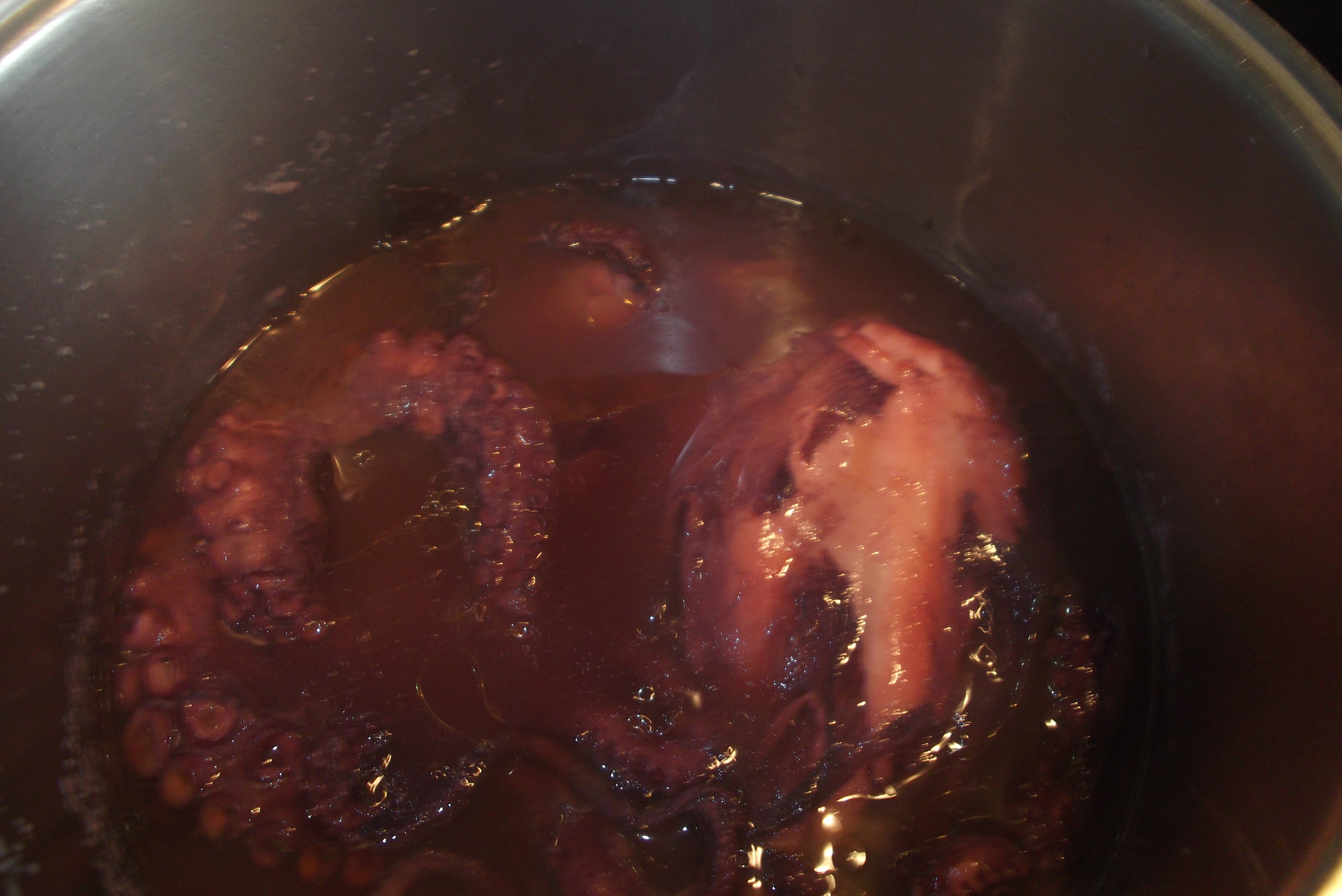
Put the octopus into a heavy saucepan and just cover with water.  No need to add salt, this is done when it is cooked.  I think this is where the Galicians leave it, but I like to add a little extra flavour which then gives me an amazing stock at the end to use in other dishes like Seafood Stew. I add a few tablespoons of olive oil, a bay leaf, a dried chilli and a couple of cloves – but this is entirely optional.

Cleaned but still raw

This will now need to be cooked slowly for up to a couple of hours (depending on how much your octopus weighs).  You can´t really over cook it if you take it slowly, and you can either do this on the stove top or in a slow oven.  Test it with a skewer in the thickest part of a tentacle – if it slides in as though through butter, you´re done! Some people do like to go for the quick and fast cook – I think it would be great in a pressure cooker, but I´ve never done it like that so I have no idea of timings.

Cooked!

Meanwhile you are going to boil about 2 medium potatoes per person in their skins.  When you are ready to serve, peel the potatoes and roughly chop into smallish chunks.  It´s traditionally served on round wooden platters, but I know some people won´t have one or prefer not to use them for hygiene reasons.  We throw caution to the wind and are both, so far, still standing….but I promise not to tell anyone if you use a large flat plate.

Pretty Coloured Stock

Lift the pulpo out of the delicious stock and either chop with scissors into little pieces or chop with a knife. Make a base out of the cooked potatoes, pile the pulpo on top and now a good seasoning of sea salt, plenty of pimentón (hot or sweet according to your preference) and a good dousing in olive oil which will soak into those chunks of potato and pulpo.

It´s not a tricky dish to make, it can be pulled together for serving at the last minute and looks pretty impressive.  Most importantly though it tastes amazing….go on, get brave with an octopus!

Pickled Courgettes

What do you do when your Big Man comes home with about 15 mammoth courgettes and you´re the only one in the house who really enjoys them?  Well, you have to give a few away to a courgette loving neighbour, and then get creative.

The courgette loving neighbour gave me a recipe for her courgette bread which looks delicious and rather like my Banana Bread recipe.  As soon as I´ve made it I´ll let you know how it goes. Then I made some little courgette pancakes, but more of those another time.  And then I thought it was time to tackle some pickled courgettes.

These remind me of special Italian family meals when I was younger – lots of salamis and pickled vegetables as a big Antipasto.  It´s been years since I made them, and I used mustard powder and turmeric which is not so Italian, I have to confess.

I used a recipe I found on the BBC Good Food Website with a few small tweaks.

500g courgettes, very finely sliced (I used a mandolin slicer)

500ml white wine vinegar

140g brown sugar

1 tsp mustard powder (I used Colemans English Mustard)

1 tsp mustard seeds

4 dried cayenne chilies, crumbled (use less if you like)

1 tsp ground turmeric

Sprinkle the courgette slices with salt and then cover with ice cold water and leave for an hour. Drain and pat dry. Meanwhile put the rest of the ingredients into a saucepan and heat to dissolve the sugar and leave to bubble for a couple of minutes.

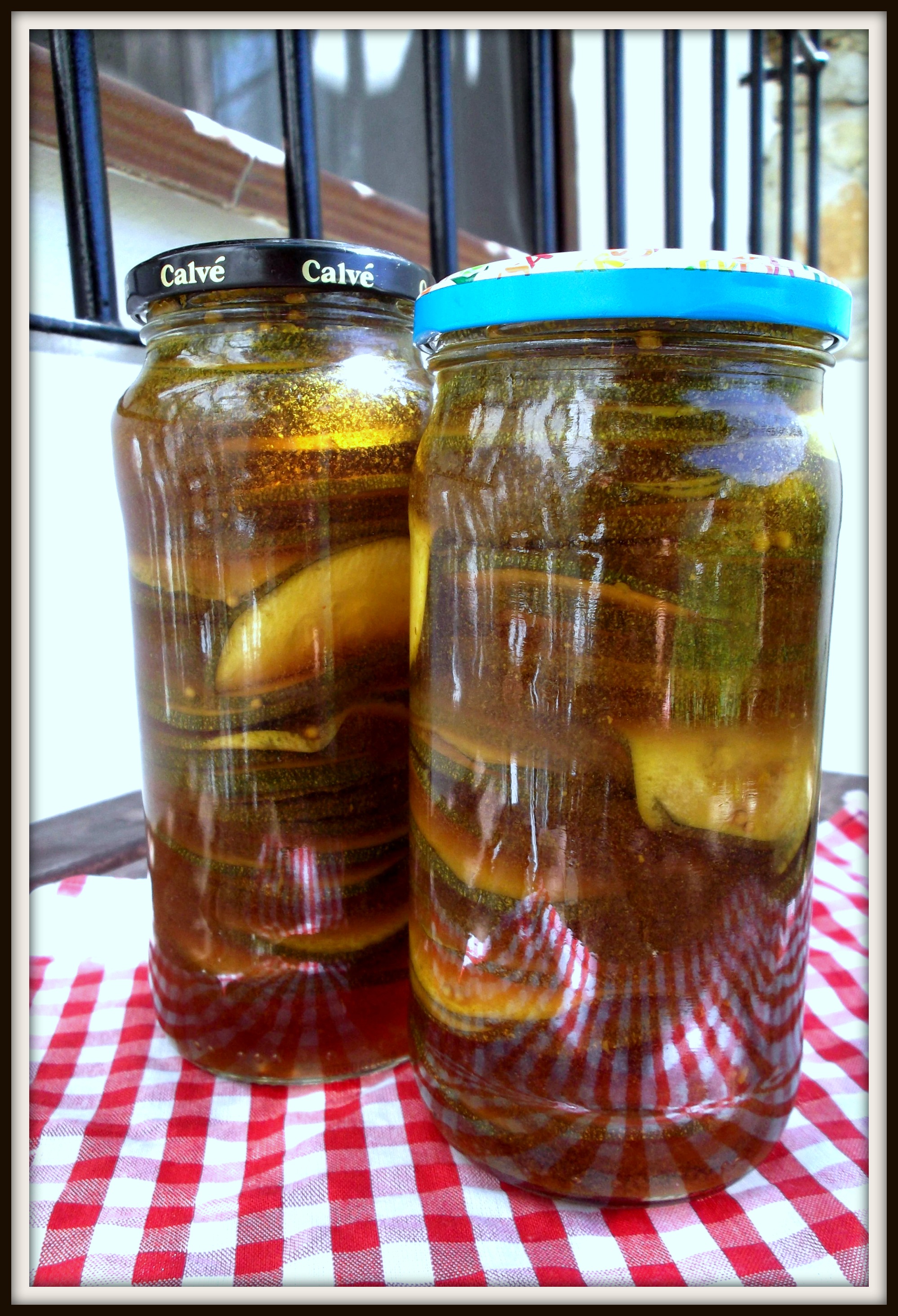
While the pickling liquid is cooling down a little, pack the courgettes into two sterilised jars, pour the liquid over and seal tightly.

The recipe says to keep them in the fridge and that they will keep chilled for a couple of months.  I have them in the larder which is cool.  They will taste great in a few days, but I had a few slices that wouldn´t fit into the jars which I covered with a drop of the pickling liquid and ate that evening…and they were delicious!