Can Anyone Help?

A little cry for help regarding WordPress from Up The Mountain!

For the last few days I have been unable to insert any links into my posts.  I also can´t work out how to contact Workdpress Support as I seem to keep going round in circles on the Support page.

Am I just being amazingly untechnical or is anyone else having problems?  Do you know how to contact support?

Thank you … any help will me most gratefully received.

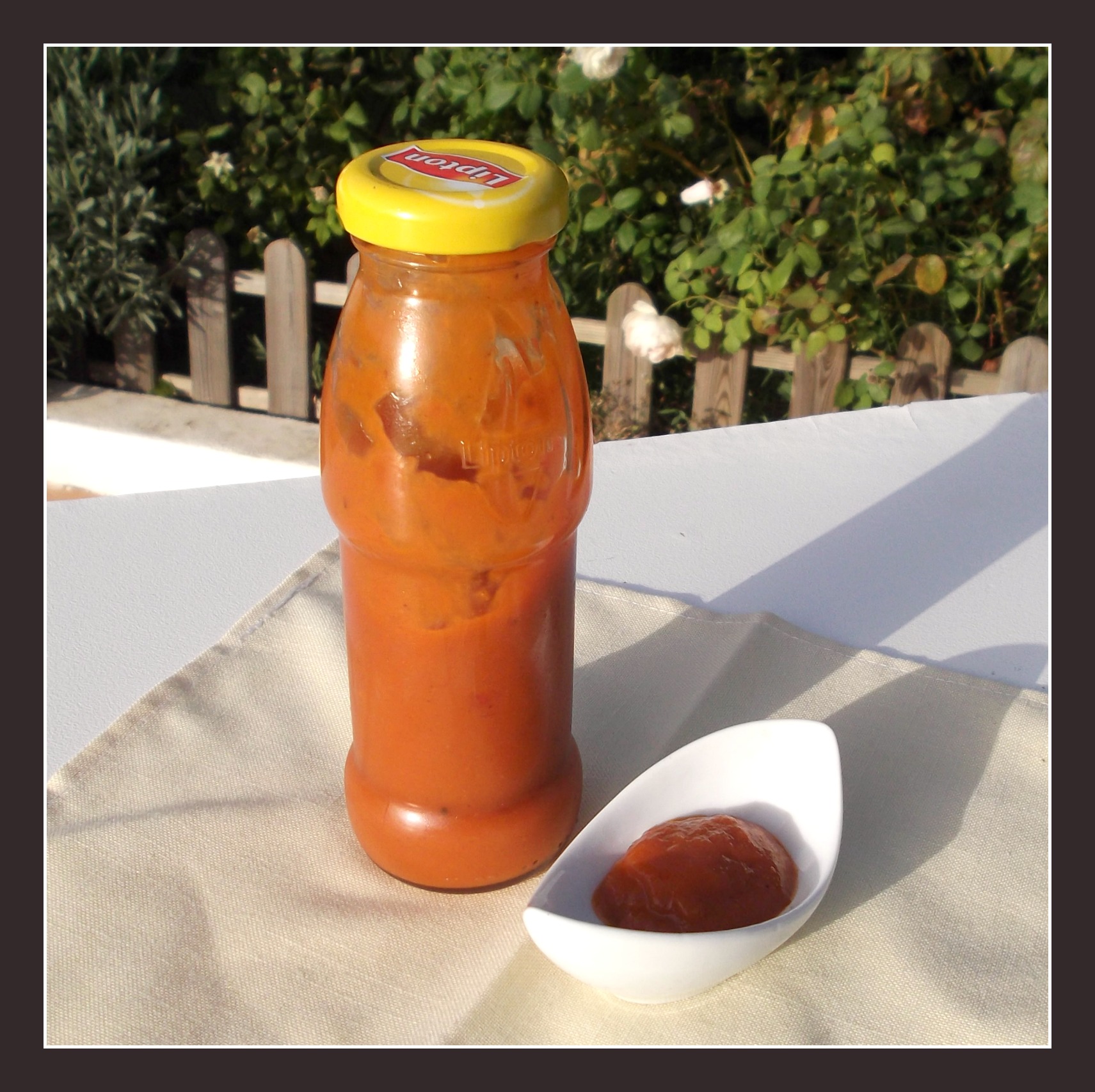
Up The Mountain Spicy Tomato Ketchup

Getting Saucy In The Garden

When you have lots of tomatoes growing, or you can buy them cheaply, it´s fun to play around with recipes and see what you can come up with.  An excellent book for anyone interested in growing their own (or who just dreams about doing it) and cooking with the “bounty” is The River Cottage Cookbook by Hugh Fearnley-Whittingstall.

One of his recipes that I´ve played around with over the years is the one he gives for tomato ketchup.  The beauty of it is that you can adjust spices and flavourings to suit what you and your loved ones enjoy.  I like my ketchup spicy, so I go heavy on the chili.  Some of the things he mentions in his recipe I don´t always have to hand (like mace or celery seeds) so I have changed things round just a little.

This is the Up the Mountain version, and I can highly recommend it.

3kg ripe tomatoes roughly chopped

3 sliced onions

1 large red pepper, chopped

¼ cup of celery leaves

100g brown sugar

200ml white wine vinegar (he uses cider vinegar)

¼ teaspoon of mustard powder

A stick of cinnamon

1 ½ teaspoons of allspice

1 ½ teaspoons whole cloves

2 teaspoons black peppercorns

Some freshly grated nutmeg

4 small hot chilis, roughly chopped

1 bay leaf

1 large garlic clove, peeled and crushed

1 teaspoon of hot smoked pimentón (or paprika)

Sea salt to taste

You´ll need a very sturdy heavy based saucepan for this as you´ll be reducing and reducing the sauce until it gets to the right consistency.

Put tomatoes, onions, peppers, chillis and celery leaves into the pot and simmer until very soft.  Put through a mouli or fine sieve and then back into the pot with the sugar, mustard powder and vinegar.  Put the remaining spices apart from the salt, nutmeg and pimentón into a cloth and tie securely then drop this into the mixture.  Grate a little nutmeg over and if you want more later you can add it nearer the end. 

Cook the sauce slowly until it has reduced to the thickness you require.  If you like you can give it a whizz with the hand blender (don´t forget to remove the spice bag first though!), then season with the salt and pimentón.  You can either put it into sterilised bottles or jars (I use the small juice bottles we get here in Spain) or it will keep well in the fridge for a month or you can freeze it.

Delicious with chips (or French fries for my US pals), burgers, fish, veggies…well, pretty much anything in fact!  And mixed with mayonnaise it makes a wonderful Marie Rose style sauce with a bit of a kick.

Vegetable Fried Rice

Crispy and Vegetable-y

With the hot weather we´ve been having, the desire to cook has been low.  But…a girl and her Big Man have to eat, so the other night we decided on some grilled langoustines with some vegetable fried rice to accompany it.  Fried rice is an alien concept to most Spaniards, so Big Man had visions of me deep frying individual grains of rice or making some sort of croquette.

To his relief, and mine (due to the heat), it was a simple dish with only the smallest amount of oil and frying involved.

I boiled some rice (I used brown, but the choice is yours).  While this was cooking I fried a finely chopped onion and two crushed cloves of garlic in a very small amount of oil in a non stick pan until it started to look brown at the edges.  Then I added finely chopped courgette and a long thin green pepper and continued to stir fry them.

In a separate pan I made the thinnest omelette known to man!  Whisk one egg and pour into a lightly oiled pan- almost as if you were making a crêpe – and make a very thin omelette.  Flip it over to get both sides lightly browned and slide onto a plate to cool a little.

When the rice is cooked, drain well and add to the vegetables.  There´s no need to add more oil if you have a good pan as you will now almost dry fry it.  Season with salt and pepper and every few minutes give it a stir until the rice starts to brown.

Are those prawns ready yet?!

Roll up the world´s thinnest omelette and cut it into fine shreds.  Sprinkle these eggy shreds over the top of your rice, mix gently and serve.

Plums for My Porridge – Perfect Plum, Cinnamon and Vanilla Compôte

Do you remember my beautiful plum tree I showed you back in the spring? No matter if you don´t.  I knew back then from the enormous amount of blossom it had, following the rainiest winter for over 80 years in Andalucía, that we would have lots and lots of plums.

Of course, we did and we´ve been eating and enjoying them, giving a lot away, and the chickens have thoroughly enjoyed pecking away at those that fell to the ground.

A couple of weeka ago the plums really were coming to an end.  The last few clinging on to the tree were looking a little sad and soft, so I decided to turn them into a kind of compôte (rather like a jam) to drizzle over my porridge, or oatmeal, in the winter months.  It´s also delicious with ice cream!

You can either peel and stone the plums first, or do as I did – boil and squish!  I put them in a large pot and on a gentle heat for about 30 minutes, by which time the skins had popped and the plums were soft.

On with the kitchen gloves and I removed all the stones and skin, then passed the fruit through my trusty mouli.  You could also use a stick or regular blender. The prepared fruit weighed 2.3 kgs, so I added just under half the weight of sugar (1kg) and the juice of one lemon.  As this started to warm and the sugar dissolved, I added 2 teaspoons of vanilla essence and 2 sticks of cinnamon.

I let it boil quite hard for 5 minutes, removed the cinnamon sticks then poured it into sterilised jars.  Now I´m ready for the cold weather and already anticipating my first bowl of porridge with Perfect Plum Compôte!

And now, a confession.  I made this last year too (minus the vanilla) and earlier this year I was making ragú for my pasta and fumbling around in my despensa (that´s a little Spanish larder) when I grabbed a jar of this instead of tomato conserva.  Can you believe I didn´t notice the difference? We even ate the pasta, initially saying things along the lines of “gosh, you can really taste the sweetness of the tomatoes coming through”.  Eventually we decided that the taste was overly sweet (even the minced meat, garlic and red wine couldn´t compete) and the realization of what I had done dawned on me.  Not a recipe I´ll be repeating….still can´t believe that we ATE it!!!

Pesto – with an Andalucían twist

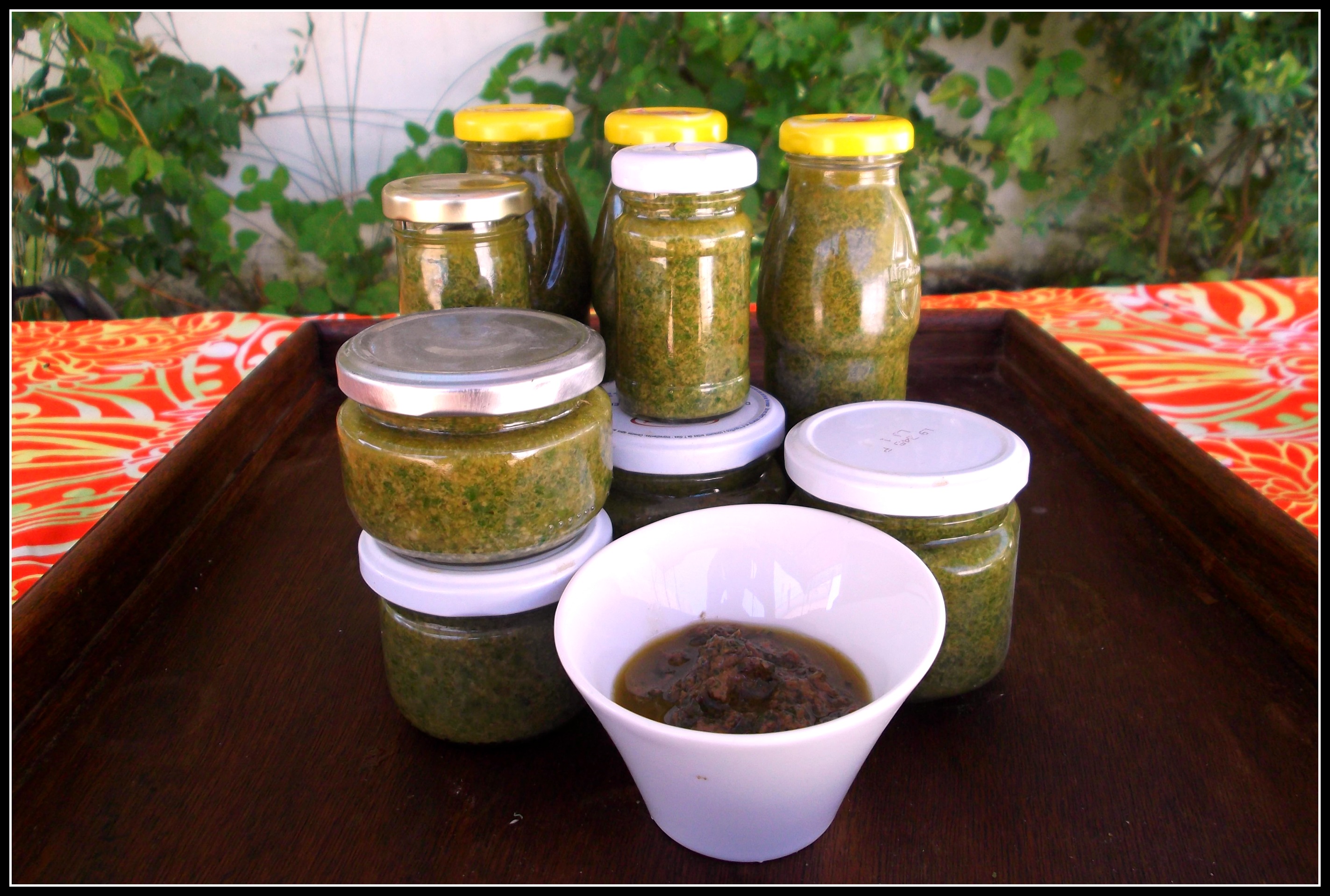
All lined up for a Family Portrait

Basil grows like crazy here.  Well, it does if the slugs don´t get the first batch that you put into the ground in Spring.  After replanting, I finally got my usual lovely crop of basil which I was using for salads, soups, seasoning and many other things beginning with the letter “s”.

There comes a point when you have to cut it back, as it starts to want to flower and the stalks begin to get a little tough and woody.  This is one bit of greenery my chickens are not going to enjoy as a treat…it´s going to become my annual batch of pesto.  I always make plenty (and I´ll probably make at least one more batch) as something mysterious always seems to happen to my little jars of pesto.

It works like this….visitors come from the UK.  They discover my despensa (that´s a walk in larder) and start to disappear for longer and longer.  When they leave to go home, their suitcases are strangely heavy.  I go into the despensa and find greatly reduced stocks of marmalade, jams and pesto!  It´s a funny thing…. I still haven´t worked out what is happening in there.

Anyway, as to exact measurements, it´s hard to say as much will depend on the strength of your garlic, the pungency of your cheese, the fruitiness of your olive oil.  The little twist to my pesto is nothing that exotic or mysterious…but it´s hard (and expensive) to buy pine nuts here, and as we have a couple of almond trees in our little olive grove, I just substitute almonds for pine nuts.

My food processor seems to have worn down its blade slightly, so this year´s pesto was a little chunkier than usual as I couldn´t grind the almonds down to a fine powder.  That said, it tastes amazing, and a day after taking the photos the sauce is a beautiful vivid green colour.

You´ll need basil leaves, salt, a hard cheese such as parmesan (I also used some hard sheep´s milk cheese as the parmesan I had was nothing too special) which you need to grate, olive oil, and garlic.

For about 8 cups of basil I used 3 large cloves of garlic, about 3 cups of grated cheese, 2 cups of ground almonds, 3 teaspoons of sea salt and 1 litre of olive oil.  This gave me just over one and a half litres of pesto.

This slideshow requires JavaScript.

You can make it in a food processor, although I had to switch to doing smaller batches with my hand blender because of my ineffective blade.  Taste and add….more salt, go for it….now more cheese….too thick, add more oil.  You get the picture.

Put into sterilised jars when you are done, it will keep for a year.  But only if you put a lock on the larder door.

Bali and Beautiful Batik

Like a dream come true

One of the little extras you get from having visitors is that they often come bearing gifts.  Sometimes it´s stuff that you´ve asked for like Wasabi Paste or spices you can´t find in Andalucía and sometimes it´s little surprises.

This summer I have been very lucky to receive two batches of fabric for my dressmaking.  One batch came from Singapore and the other from Bali…via the UK and my friends.

These fabrics are very beautiful and unusual but do tend to come in quite strange lengths.  Not the usual dressmaking widths.  I expect that are probably just the right measurement to make some wonderful typical Balinese or Singaporean outfits, but because I am rather more robustly built  than the ladies from these beautiful places, I had to give a little thought as to how I would make the most of the fabrics.

Fabulous Fabrics

I decided to go “off pattern” and just sort of drape them around my dressform, Marilyn the Mannequin.  Who incidentally, after forking out a great deal of cash and waiting ages for her to arrive from the UK, is not really all that useful.  I was so focused on buying an adjustable dress form that I could “expand” to my curvy chest measurements that I didn´t look at how big her bottom was.  Poor old Marilyn has got a much bigger bottom and hips than me, even when she is at her smallest setting.  Normally looking at another woman´s bottom and deciding that it was larger than mine would give me some small sense of satisfaction (I know, I´m horrible…but you´ve got to boost your self esteem when you can).  In this case, she´s useless for making fitted skirts, dresses or trousers, as they won´t go round her and I have to just pin them to the front!

Anyway, after much pinning, trying on, adjusting, re tacking and finally sewing I made a pencil skirt with a zip and waistband.  I use the word pencil loosely as I am probably closer to the shape of a magic marker. 

Pencil-ish Skirt

Flushed with the success of this effort I went on to make a simple v-neck top with the rest of the scraps from the same length of material.  Please note that I will not be wearing the skirt and top together or I may be mistaken for an escaped Batik Wall Hanging from a museum of ethnic art.

Voluptuous Top Half Needed To Fill This Top

Finally, I made a sort of A-Line skirt with a drawstring waist.  Very forgiving on days when I feel like my bottom matches Marilyn´s.

Hurrah for drawstring waists!

And as a little thank you for getting this far into my post if you were expecting a tasty recipe (sorry, not today), and for thinking that the black spots on Marilyn were dirt on the camera lens and not a horrible plague of flies that decided to join me while I was taking photos…..here are a few snaps from when I visited Bali as part of my Round the World Trip in 2005.  Far too long ago…

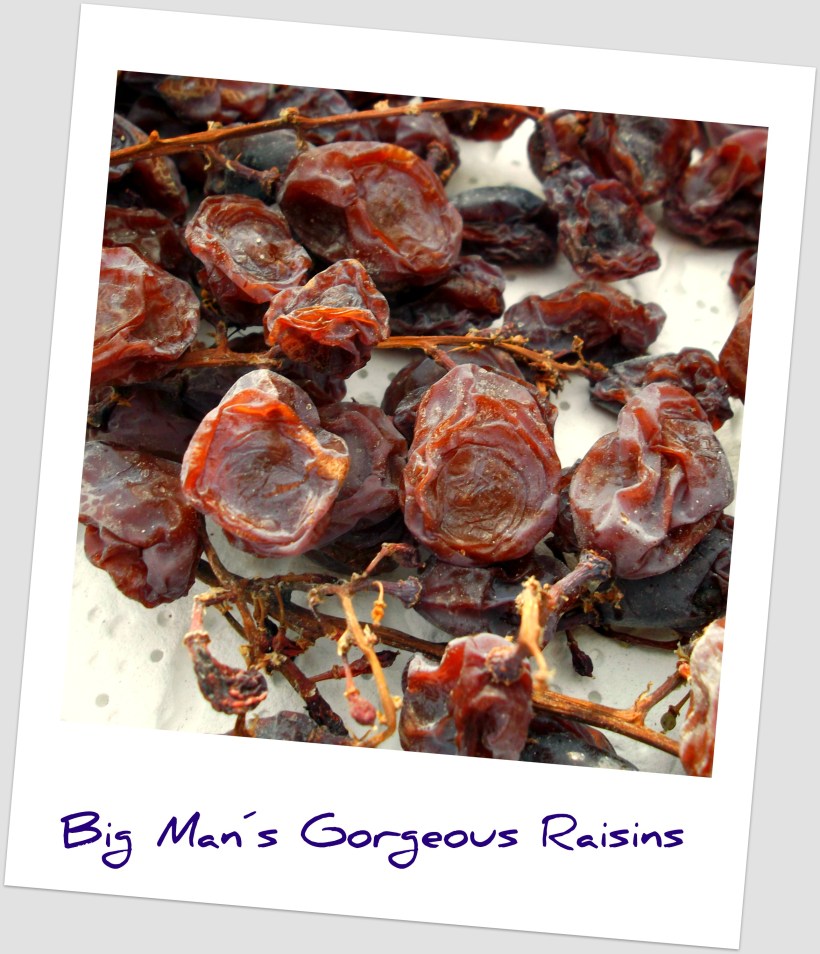
Big Man´s Raisins

Now, this is not a cheeky post, so don´t go thinking I´m talking about anything remotely naughty. We´re talking dried grapes, White Muscat to be precise.

So, what is the difference between a Raisin, a Sultana and a Currant?  This question came up after a recent post for Banana Bread. I had absolutely no idea so off I went to check.  It seems Raisins are dried, seeded white grapes, usually Muscat.  However, the definition I found says that they are oven dried, but more of that later. Sultanas are dried seedless yellow grapes and Currants are dried, tiny, black seedless grapes.

Having mentioned that raisins are oven dried, I´m going to contradict myself.   Malaga is famous for its raisins which are sun dried.  In fact, close to where I live you can walk around some of the fields and still see the old style drying beds for the Uvas Pasas de Malaga – which is what this famous local product is called here.

They are used to make the sweet Malaga wine, in delicious rum and raisin ice cream, in sauces made with the Malaga wine for savoury pork dishes, and are particularly sought after over Christmas when they are eaten with almonds, walnuts, cheese and typical sweet local pastries.

So, when you´ve got a couple of vines dripping with more grapes than you can ever eat, what do you do?  Big Man decided that if I could sun dry tomatoes, then he could do the same with the grapes.

No, no…he didn´t need any help setting up the drying process – thank you very much.  And anyway, the table I use in the garden for my tomatoes was being used for its preordained purpose. 

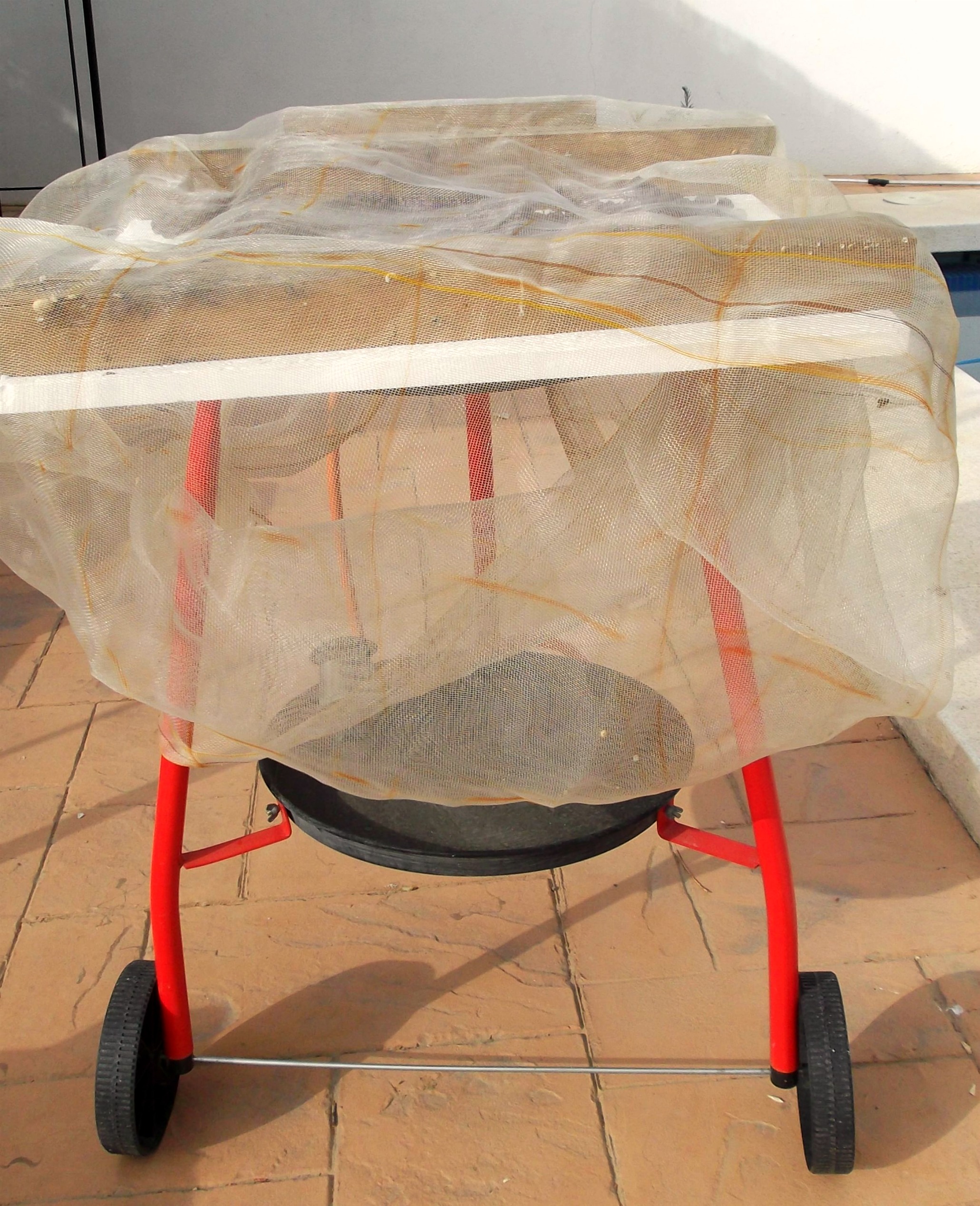
No problem, a spare bathroom ceiling tile from some recent DIY was propped on top of my paella burner, and together with a couple of blocks of wood, an olive net (to protect them from the flies) and some washing pegs (to stop the net blowing away) a makeshift drying table was fashioned.  Who needs sophisticated drying nets when you´ve got top grade equipment like that?!

And guess what? It worked! Six days of hot sunshine later and we have our first batch of Uvas Pasas.  Not sure we´ll be able to hang onto them until Christmas, so as long as the sun shines, we´re planning on making a few more batches.

Big Man is justifiably proud of his raisins, but “shhh” – don´t tell anyone or they´ll all be wanting some.

PS. For another wacky way of drying fruit, check out this amazing post over at And Then Make Soup – it goes to show that where there´s a will there is always a way.

And a final PS.which is a big Thank You to Cecilia over at The Kitchens Garden and to Tandy at Lavender and Lime for passing on the Seven Links Challenge to me.  To see how I responded and to check out some of my previous posts, take a look at a post I did a few days ago…I was lucky enough to also be nominated earlier by Karen from Back Road Journal.
Roasted Tomato Tart with Chard and Home Made Curd Cheese

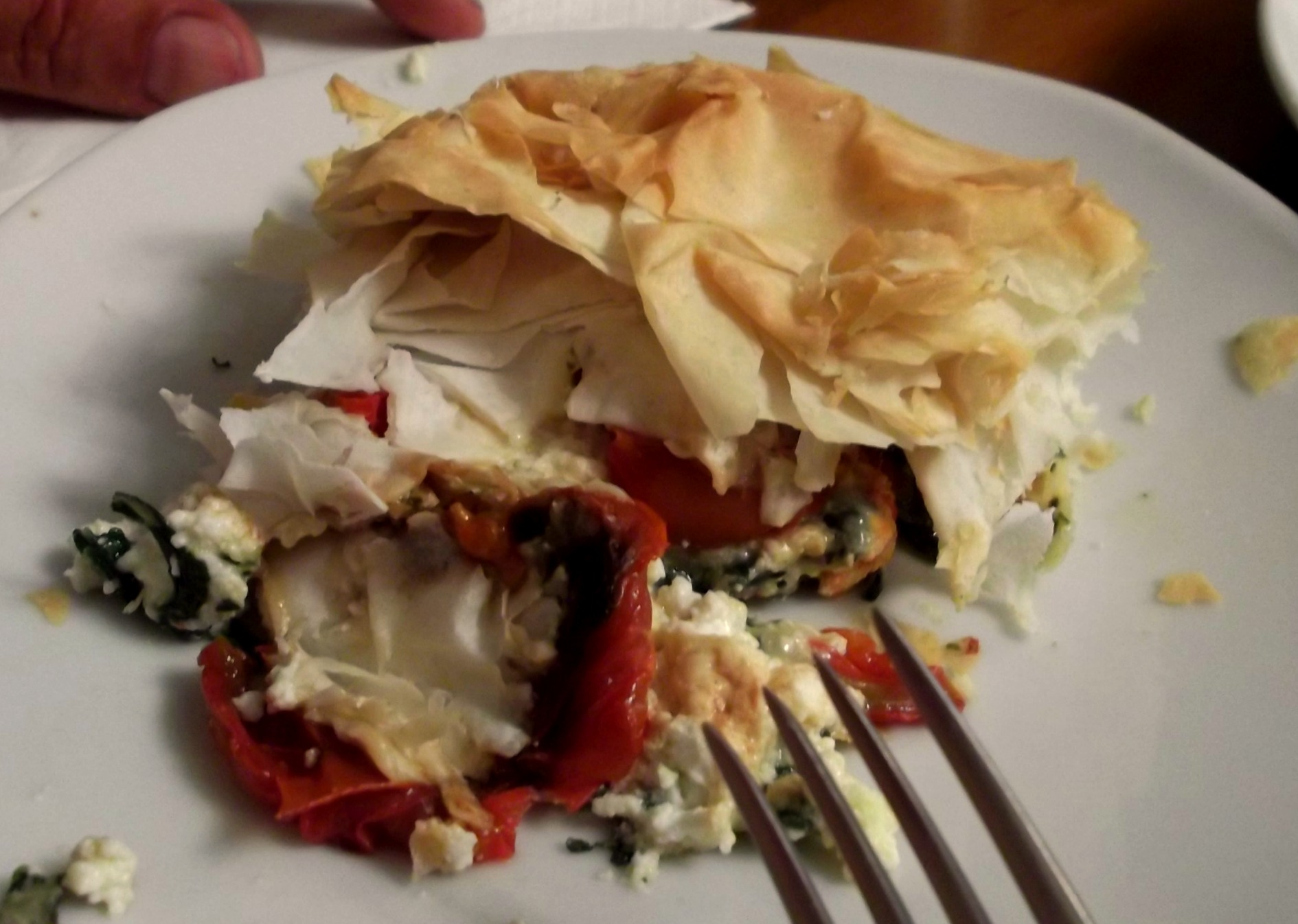
Beware the Giant Fork!

The great thing about writing a blog and reading other blogs is that inspiration comes from all around you.  Not so long ago I got into a dialogue with ChgoJohn over at From The Bartolini Kitchens about cheese.  He makes all sorts of cheeses and has posted a fantastic recipe for ricotta.  It reminded me that I hadn´t done this for quite some time, although my version doesn´t use cream.  Unfortunately we just can´t get anything other than UHT whipping cream or a chemical mix which masquerades as single or cooking cream here.  A shame, but that´s how it is.

A freezer clear out to make room for all my lovely beans that are growing, rewarded me with a packet of filo pastry.  Time to get making something tasty.

Here´s how I made my curd cheese.

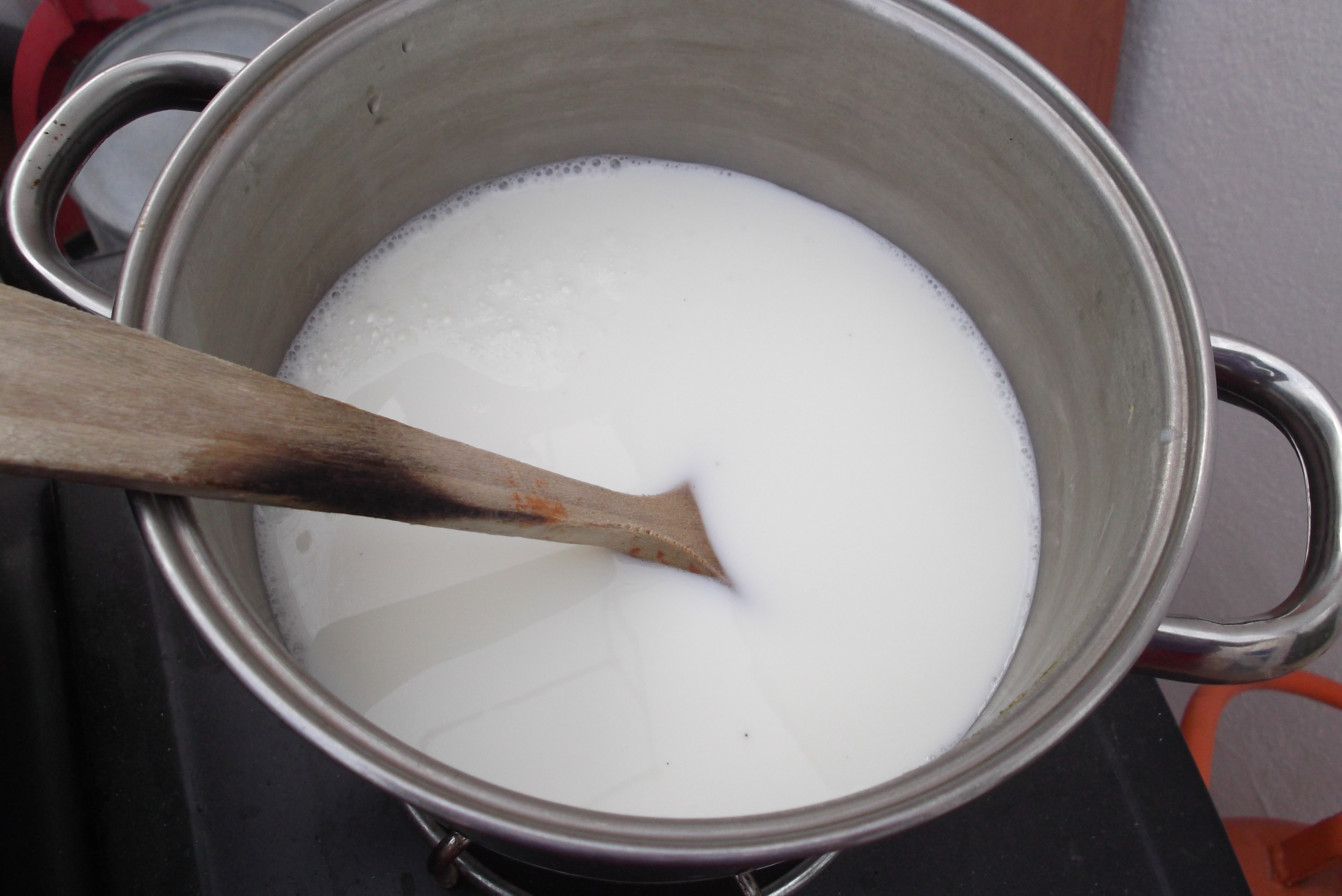
Bring one litre of milk (I used semi skimmed) almost to the boil (when little bubbles start to appear round the edges).

Bubbly milk

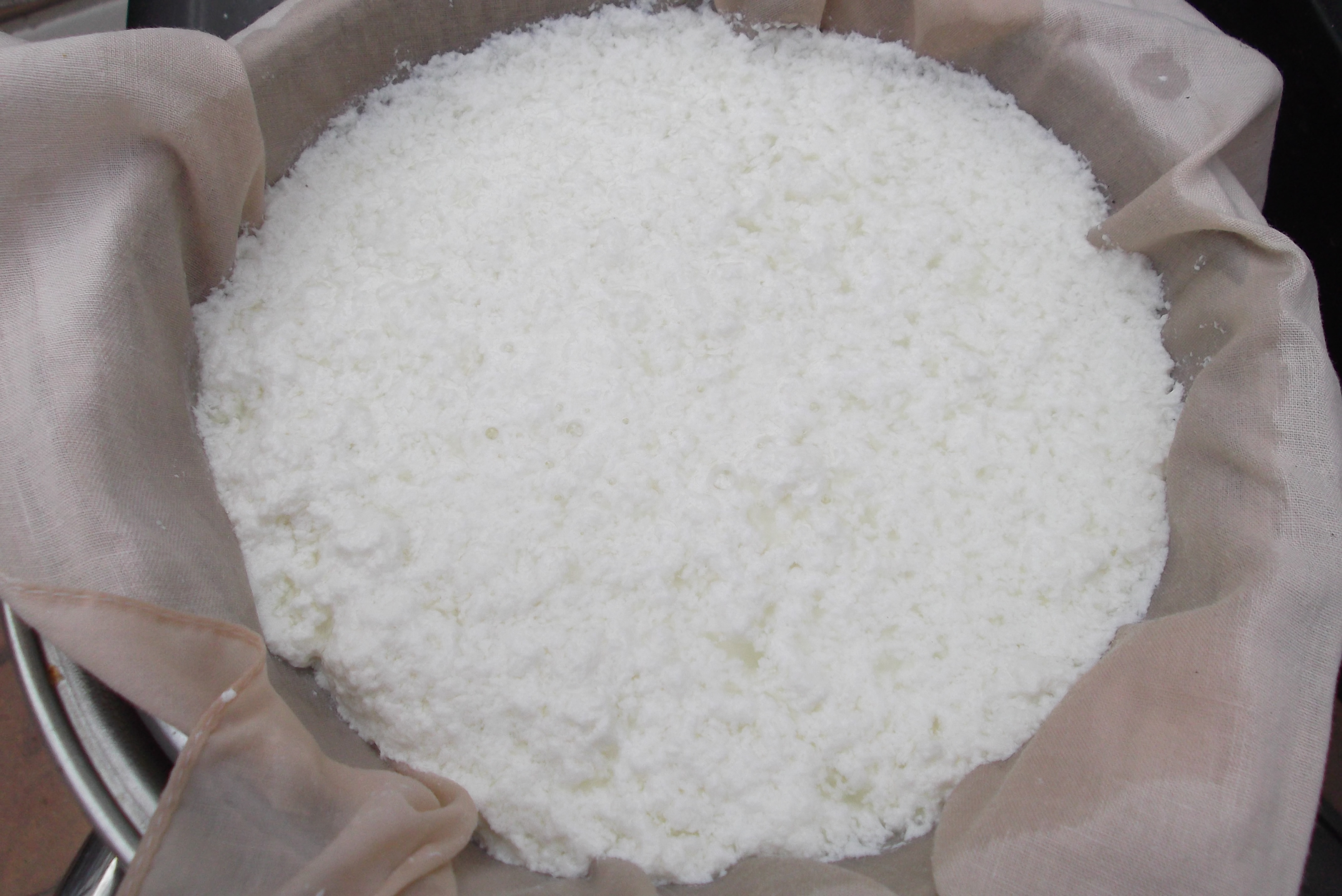
Turn off the heat then add citric acid, lemon juice or white wine vinegar (about 2 – 3 tablespoons but add it gradually) whilst stirring with a wooden spoon.  Once curds start to form, put a lid on the pot and leave to stand for about 10 minutes.

Beautiful Curds

Drain and leave for a few hours or overnight. 

The Waiting Game

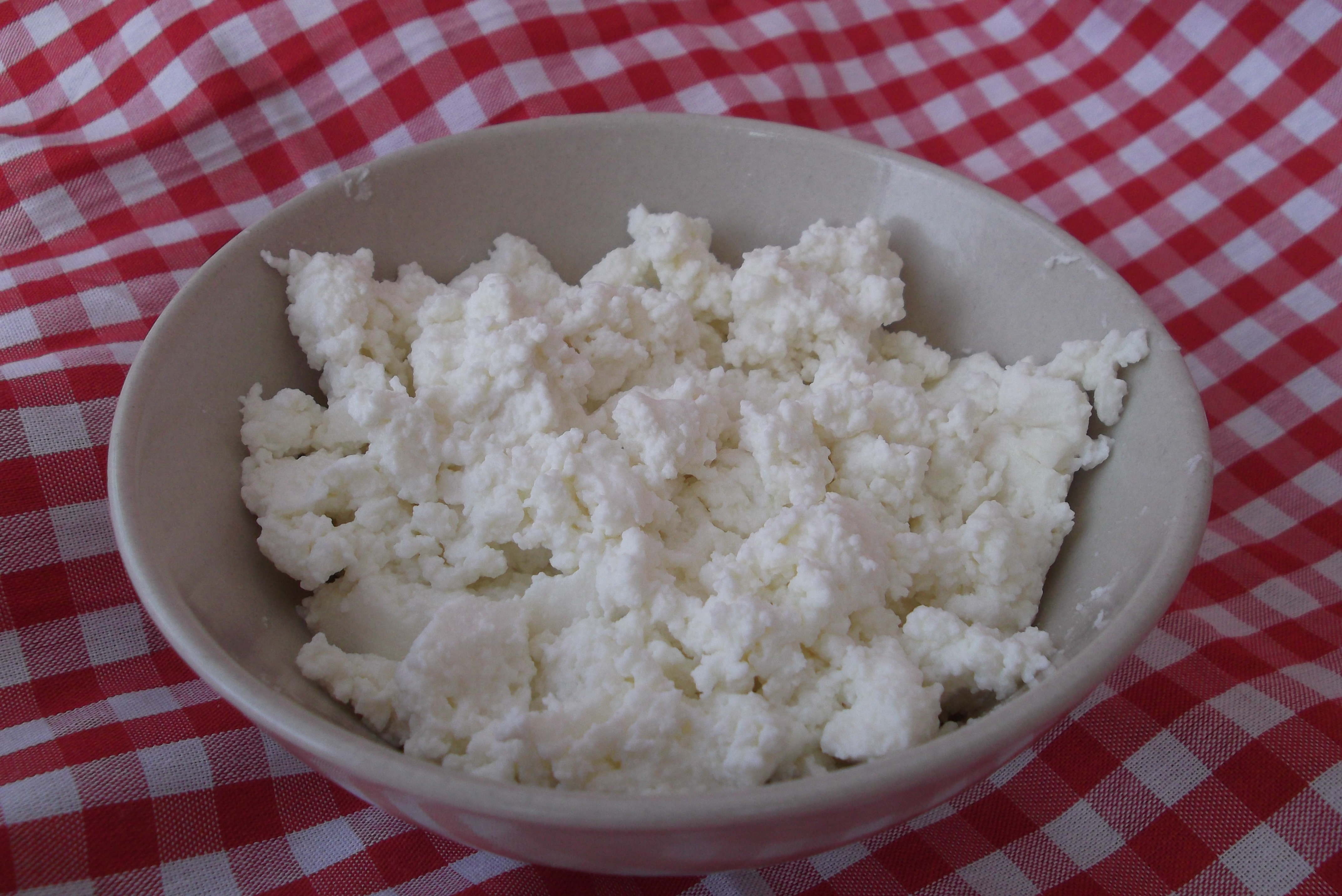
Stir in salt to taste and you´re done! Don´t forget to save that whey for making soda bread.

Lovely Curd Cheese

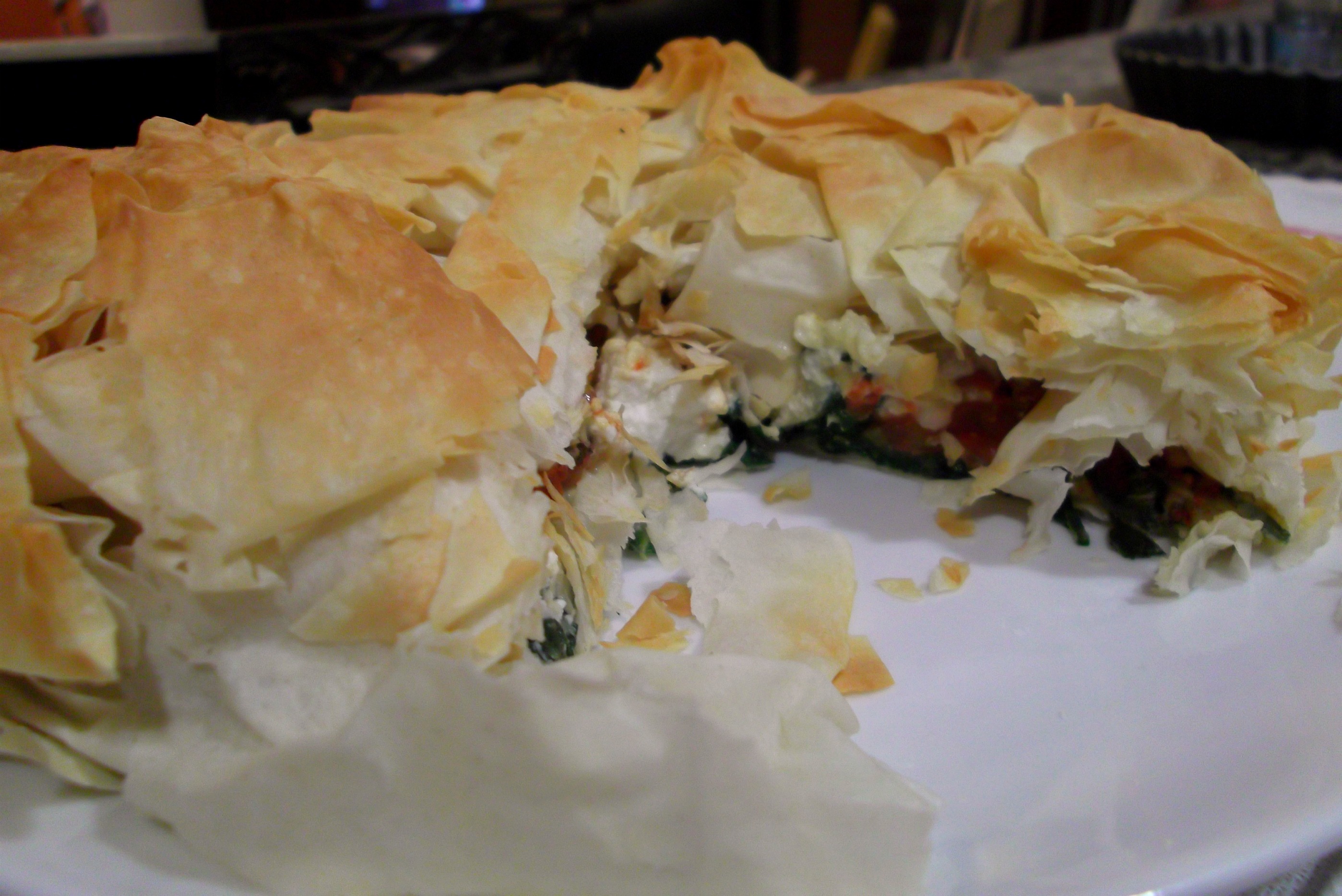
To make the tart I lined a loose bottomed tart tin with four sheets of filo which I brushed with olive oil (but you could also use butter).

I put in a layer of chopped, wilted chard (with all the water squeezed out) which I had mixed with two beaten eggs, 3 tablespoons of grated parmesan and seasoning. You could substitute the chard with spinach or beets.

 Then I added a layer of curd cheese and then a layer of halved roasted tomatoes.  You could also use thinly sliced raw tomatoes.  Finally I folded over the filo sheets and added two more to the top, brushed the whole thing with a little more oil and baked for 30 minutes at 180ºC.

Lots of flaky, crispy crumbs!

It was delicious warm, but just as tasty (although not quite so crunchy) cold the next day.

Gorgeous Green Gazpacho

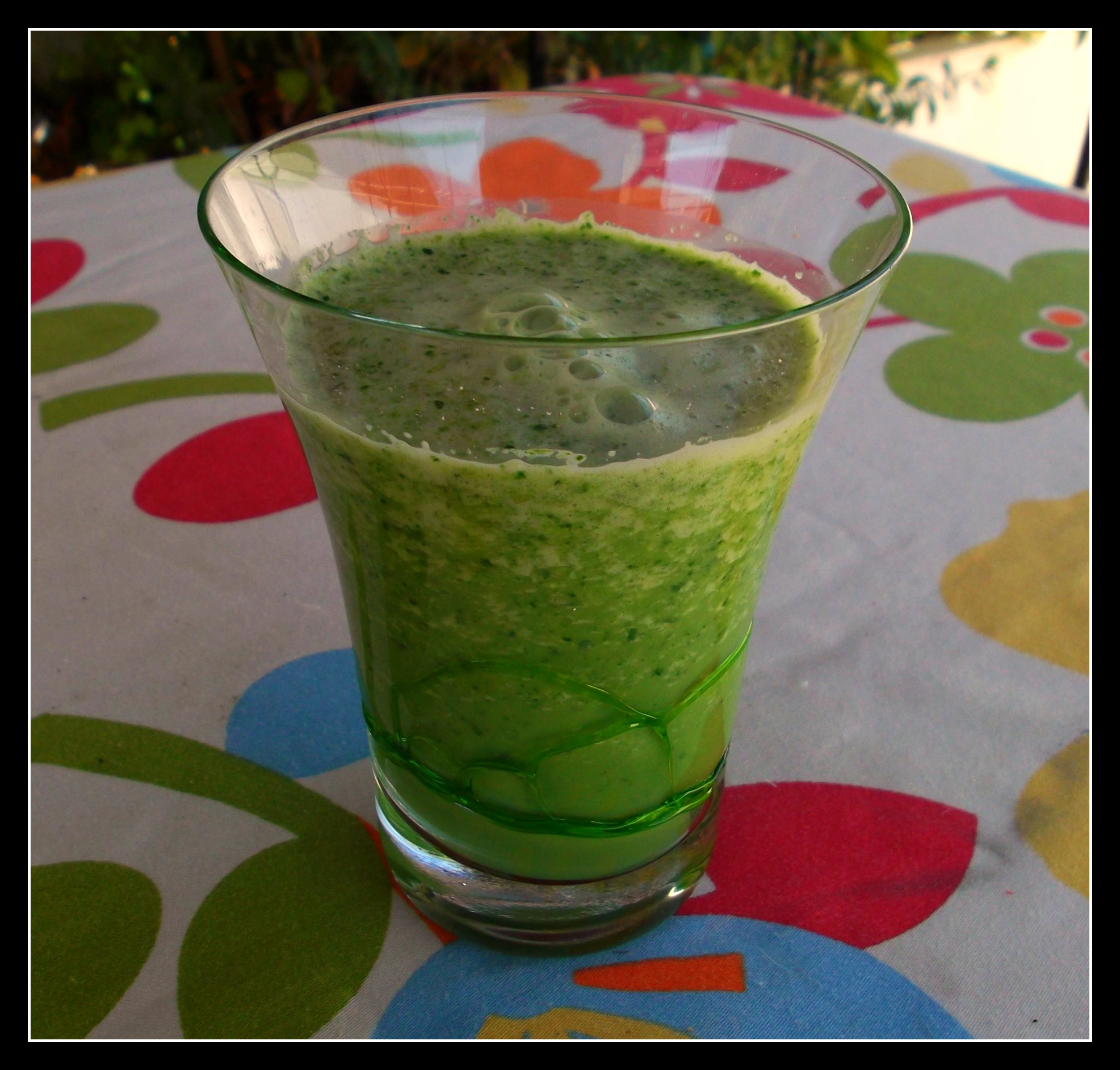
Green. Gorgeous. Good.

Who says Gazpacho has to be red?  Well, if you promise not to tell the Andalucían gazpacho Police…I say it doesn´t!

In the vegetable garden at the moment, our cup overfloweth. Some things just can´t be canned or frozen – like cucumbers.  And those little green thin skinned Spanish peppers are best eaten fresh in salad, stuffed or fried.

I wanted to find a new way of using up some of my “greenery” and came up with this version of gazpacho.  It´s a stunning colour, tastes rather like juiced vegetables and I´m sure must be amazingly good for you and packed with vitamins.  Probably an excellent pick me up for the morning after the night before too.  We just drank it chilled as a pre lunch appetizer.

Here´s what I used, but if you do decide to give it a go I´m thinking celery, avocado and lime juice might also be great additions.

Two thin green peppers, one small cucumber (peeled), a small clove of garlic, a small bunch of parsley, 4 large leaves of raw chard (or spinach).

In a blender mix the vegetables with about 3 tablespoons of olive oil, white wine vinegar and salt (to taste) and a litre of ice cold water.

Blend until smooth, add a few ice cubes and chill until needed.  Looking as gorgeous as it does, it just has to be good for you!

Home Made Tomato Concentrate

Making the most of summer tomatoes

Tomato concentrate or purée, delicious used in pasta sauce to enrich it and a spoonful in soups and stews adds a little something special. I know it´s not very expensive to buy, but if you are dealing with a glut of tomatoes and have time on your hands, why not give this a go?

I have to say from the outset, you do need to set aside about 6 hours to make just a few jars. It´s not tricky, but you need to be around to watch the pot slowly simmering away all the water from the tomatoes and leaving you with a gorgeous, thick, sweet and intense paste.

Start by either peeling, deseeding and blending your tomatoes, or (as I do), roughly chopping and then simmering whole tomatoes for about an hour before passing them through the vegetable mouli.  Incidentally, this is another method for making preserved tomatoes.  After you have “mouli-ed” them, you can put them into sterilised jars and tuck them away for a rainy day if you don´t want to go on and make concentrate. Using the second method you may have a few stray tomato seeds in your purée, but hey, it´s homeamde!

Next you need to add about a teaspoon of salt to approx 4 kilos of tomatoes (this gave me three small-ish jars of concentrate) and put them into a wide, heavy based saucepan.  You can use a narrower pot, but it seems to take longer as I find the water evaporates more quickly from a wide pot.

Now keep them at a gentle simmer, you will need to keep them cooking for about 5 hours.  Slowly, slowly, the magic will happen.  Every so often you need to give them a stir with a wooden spoon to make sure they don´t catch on the bottom.

This slideshow requires JavaScript.

Finally, your patience will be rewarded, and just when you thought you might as well give up and turn it into pasta sauce, you have a pot of sweetly fragrant tomato concentrate.   Now you can put the hot purée into hot sterilised jars and seal. No need for a hot bath for the jars afterwards, unless it makes you feel “safer”.  I also add a thin film of olive oil, so that when I do break open the jar and start to use it, the concentrate or purée underneath will not dry out.

Delicious, rich…what other words haven´t I used?  Oh yes, you´ll also feel supremely smug when you tell people you have made it yourself!