Speedy Pasta with Aubergine and Tomato Sauce

When I lived in London my life was, as you can imagine, very different from life Up The Mountain.  For a start I had a Proper Grown Up Job. And I travelled a lot, sometimes spending weeks living out of a suitcase or briefly stopping at home for a pit stop to repack the case.  At times like this my best friends were the local take away menus.  Luckily, I lived in an area that boasted an amazing amount of pretty good quality restaurants who could get something tasty to my doorstep within about 30 minutes of me placing a call.

When I moved to Spain, it took me a while to adjust to the fact that when I didn´t feel all that much like cooking it was either Big Man´s special fried eggs, or jamon, cheese and melon to eat. The nearest take aways or delivery services are, I imagine, in a town a 45 minute drive away.

Finally I realised that I could still have something tasty to eat in about the same amount of time as it would have taken me to decide what to order from the take away menu, make the call and wait for the delivery guy to show up.

This is one of my speedy suppers.  In the time it takes for a large pot of water to come to the boil and the pasta to cook, I have a delicious sauce made to serve with my favourite pasta, plenty of grated parmesan and I even get to swig a glass of wine while it´s cooking.  Well, I need a dash of wine for the sauce.

Per person you need half an aubergine finely diced, two cloves of crushed garlic, two medium tomatoes peeled and chopped, a large slug of wine, a tablespoon of chopped fresh herbs (I used a mixture of parsley and basil), seasoning and olive oil. I also use a crushed dried chili as I like my sauce spicy, but this is up to you.

Put the pot of water on to boil and sauté the aubergine until brown.  Now add the garlic and once it is softened add the tomato and seasoning and the chili if using.  Let the tomato cook down a little by which time you will probably be ready to put the pasta into the pot.  Add your wine and herbs to the sauce and let it bubble away gently until the pasta is cooked and ready to be drained. Taste and adjust the seasoning if necessary.

The sauce is a little like the one used in Pasta alla Norma  (ChgoJohn has a fine example of it here and Linda at Savouring Every Bite here).   These recipes give you a deeper tasting, richer sauce as it´s cooked for longer. Yum!

Now all you need to do is mix the sauce into the pasta, grate or shave over plenty of your favourite cheese, pour another glass of wine and think about how you are putting the fast food delivery services out of business.

Christmas “Pudding” Jewelled Ice Cream

If you don´t like cake, or stodgy puddings, a great alternative at Christmas is ice cream.  To me there is something very decadent, almost naughty, about eating ice cream in the depths of winter. Of course, if you live somewhere that Christmas falls in the middle of summer, then it´s even more perfect.

We´ll be eating this not as an alternative to pudding, but as well as!  I´ll serve it with my Light Christmas Pudding and Boozy Fruits….and who knows, a few mince pies may sneak onto the table too.

It´s very easy to prepare, and can obviously made ahead of the Big Day. It´s another Delia Smith´s Christmas recipe, which I have tweaked a little over the years.

The night before you want to make the ice cream, soak about 100g of your favourite mixed candied peel (chopped) and raisins, plus some glace cherries in about 6 tablespoons of rum or your favourite liqueur and stir in 3 tablespoons of honey. I also used dried apricots and cranberries – it´s up to you!

For the ice cream, using an electric whisk, beat 4 egg yolks with 100g of caster sugar until pale.  Grate about 75g of creamed coconut into 400ml of double or whipping cream and heat it gently until the coconut has melted.  Stir over the egg mixture while whisking (it should thicken a little, but don´t worry if it doesn´t) then when it has cooled a little stir in 200ml of thick, creamy, Greek yogurt and add about a teaspoon of vanilla essence (optional).  Finally stir in the fruit and alcohol with honey and pour into a 1litre pudding basin.  Cover with a lid or a few layers of foil and freeze.

When it is about half frozen (it took about 8 hours in my very packed freezer) spoon the mixture out into a bowl and mix it gently to distribute the fruit which will have sunk to the bottom, then pack it back into the pudding basin.  Cover, freeze and forget about it until you are ready to serve.

This ice cream stays fairly soft, so you can turn it out and serve it immediately.  I usually hold a hot wet tea towel around the bowl for a few seconds before turning it out. It doesn´t look quite as pretty in the photo today as it will on the Big Day on a beautiful plate and drizzled with boozy fruit.

Suet Free Mincemeat

For anyone not familiar with mincemeat, let me explain.  It has nothing to do with minced or ground beef, it´s made with fruit. Well…initially it was made of meat, flavoured with sugar, fruit and spices.  This, historically, was probably to mask the strong flavours of meat which needed to be preserved without the benefit of refrigeration.

Over time the mixture became sweeter and all that now remains of its meaty ancestor, is an ingredient called suet, which is usually beef or mutton fat. This melts down into the mix to preserve it.  Vegetarian suet it now also available.

When I spent my first Christmas in Spain 6 years ago, it was impossible for me to track down ready made mincemeat for my Christmas Mince Pies, let alone suet to make my own.  Things have changed now over the years, but I still use a recipe I came across (and I don´t know where, so apologies to whoever it “belongs” to) which is a suet free version of mincemeat.

The flavours develop and improve over time, although it´s excellent even freshly made.  If you make a large batch, it will be wonderful next Christmas!

Ingredients

  • 250g brown sugar
  • 250ml cider (sweet or dry) or apple juice
  • 1kg of peeled and chopped cooking apples
  • ½ teaspoon ground mixed spice
  • ½ teaspoon ground cinnamon
  • 250g each of currants, raisins, cranberries
  • 75g glace cherries
  • 75g blanched almonds
  • Rind & juice of ½ lemon plus rind of 1 orange
  • 6 tablespoons of brandy or rum (optional)

(Feel free to vary the ingredients according to your taste)

Dissolve the sugar in the cider over a gentle heat, add all the other ingredients except the alcohol and cook until soft and pulpy.  Cool slightly, stir in alcohol and put into sterilised jars.

Fabada – Asturian Sausage and Beans

When we travelled to the distant north of Spain, we bought back some foodie memories with us. Well, a little more than memories, we bought back beans and smoked meats to make the famous Fabada.

It´s one of those dishes which needs the authentic smoked blood sausage (morcilla), chorizo and pork to achieve the “real” taste, but it also lends itself to “making do” depending on the ingredients you have to hand.

The ingredients given below can be interpreted fairly loosely to make a lovely bean, ham and sausage stew if you can´t get hold of the Asturian versions.  I also like to be lighter with the meat than some people, so feel free to add more. This recipe will serve six as a main course, but it does keep well for about 5 days in the fridge.

You´ll need

  • 1kg of Fabes (or any large dried white beans)
  • 1 small blood sausage
  • 1 or 2 chorizo (depending on the size)
  • About 100g piece of smoked or unsmoked or salted pancetta or pork belly (or use chunky lardons)
  • ½ teaspoon of saffron or add a teaspoon of sweet smoked paprika or pimentón instead
  • 2 bay leaves

This dish really improves by making it the day before you want to eat it, although it´s not essential, and if you have an earthenware bowl to cook it in, even better!  The day before making the dish put your beans into soak in plenty of water.  In a separate bowl of water soak any smoked or salted meats.

Using the water you soaked the beans in, put them in your cooking pot with about a depth of  3cm of water above them.  Bring to the boil then skim off the froth which will appear. Dissolve the saffron in a little water and add to the beans (or add your pimentón or paprika directly to the water).  Now add the pork belly or pancetta, bring to the boil and skim and then repeat with the chorizo and morcilla.

Add the bay leaves, make sure all the meat is pushed to the bottom and then cook very slowly for about 2 or 3 hours.  Try not to stir as this will break the beans, shake the pot if necessary and top up with boiling water if needed.

You should be left with thick creamy beans which still hold their shape.  I like to thinly slice the meats and sausages so they can easily be eaten with a spoon.  This is a “plato de cuchara” or a “spoon dish” as they call it here.

Serve with a good robust red wine, plenty of bread and I like a tomato and garlic salad on the side. ¡Buen Provecho!

Easy Greek Style Yogurt

Thick, creamy yogurt

Making yogurt at home is very simple.  No need for yogurt makers, thermometers or complicated equipment. I don´t claim that this yogurt is Greek, as the milk I´m using is from Spanish cows (hopefully!) but the taste is the same creamy taste and texture is thick and gorgeous.

Are you ready?  Ok, then this is what you´ll need.

  • Fresh Milk – I used two litres, but you can make any quantity you like.  I also used semi skimmed, but you can use whole or skimmed if you prefer.
  • 1 small carton of live yogurt for your first batch
  • A saucepan with a lid
  • A hand whisk
  • A thermos flask big enough for your quantity of milk (optional)
  • A sieve
  • A piece of clean cloth for straining (I used a clean handkerchief – perfect size for my sieve!)
  • A little patience

Start by heating your milk until small bubbles start to form around the edges of the pan. Turn off the heat and whisk in your carton of yogurt.

That´s it for now!  You have several options at your fingertips to get this milk to do its magic and turn into yogurt.

As it´s hot here at the moment, I put a lid on my pot and sit it in the sun for about five hours.

You can put a lid on the pot and leave it in a very, very low oven for up to 12 hours – check on it after about 5 hours to see how it´s doing.  You can even leave it overnight.

Put it into a warmed thermos flask and leave overnight.

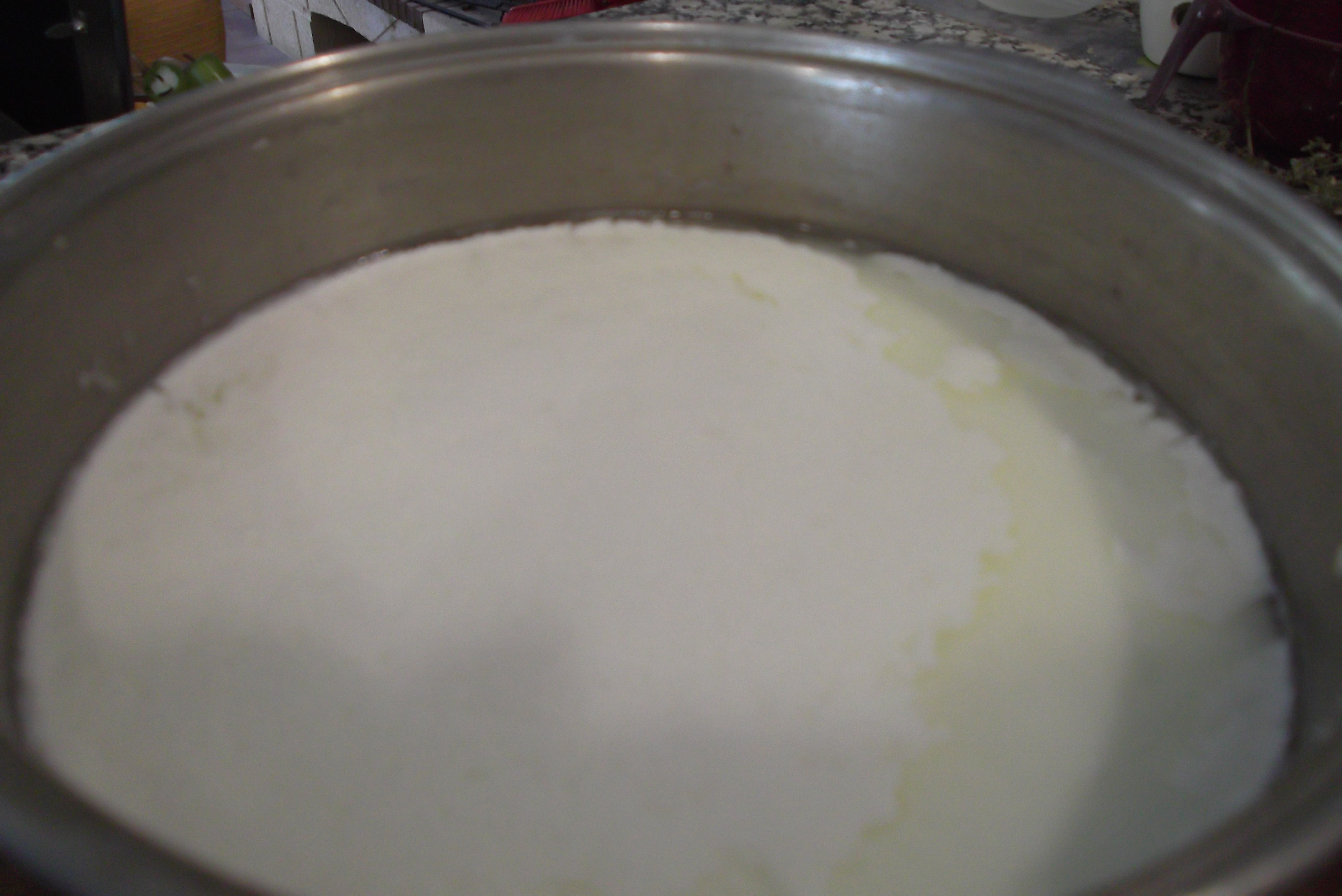
When you´ve done this and waited patiently, your yogurt will have formed and will look like this.

Yogurt before straining

Yogurt with some watery liquid surrounding it.  You could just whisk it all together and eat it as it is, it´s pretty delicious already.

To make it into Greek style yogurt you will need to strain it.  Set your sieve over a deep bowl or pot, line with clean muslin (or whatever), pour the yogurt in and leave to strain in the fridge. 

Set it over a bowl to strain

I left mine overnight.

Yogurt after overnight straining

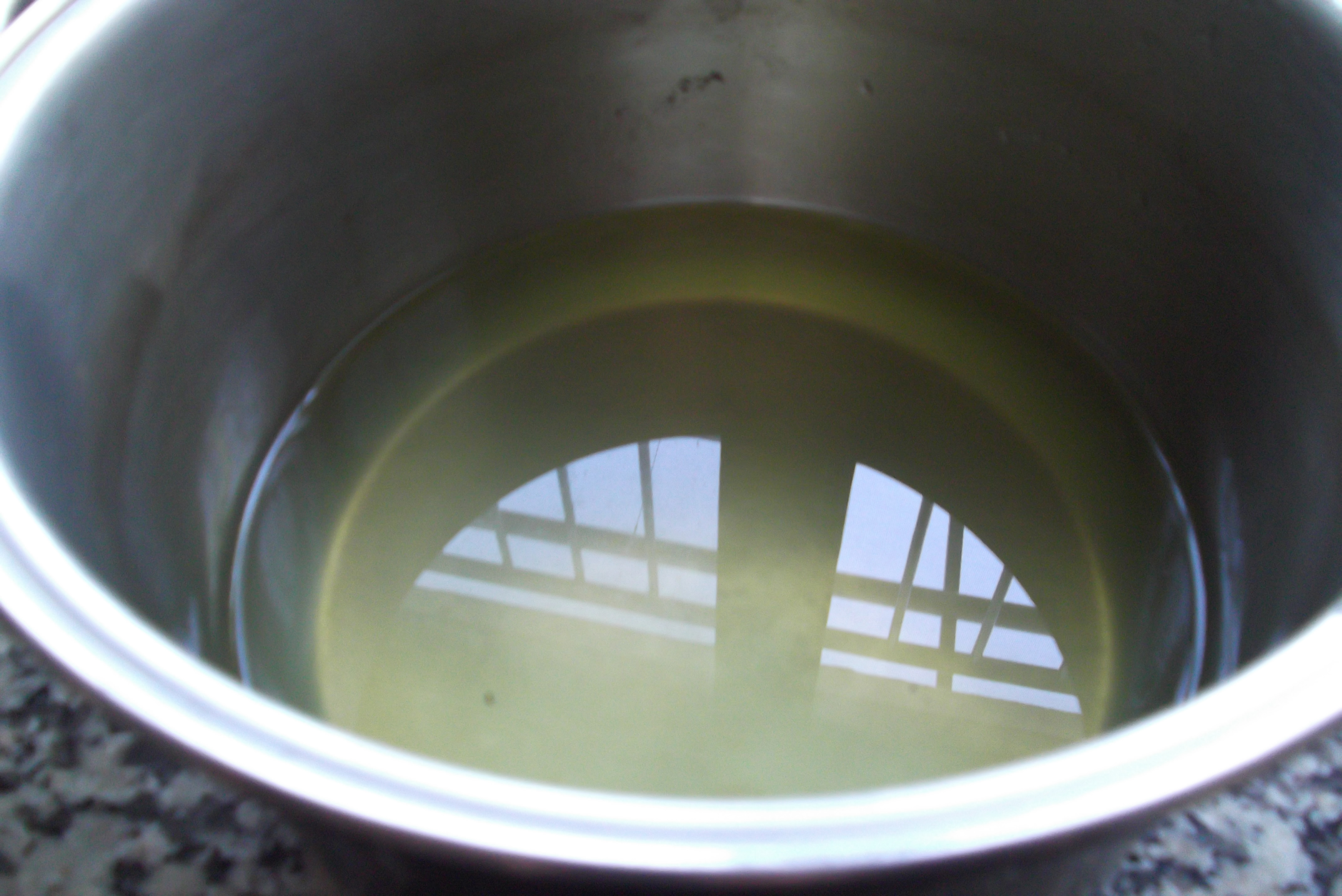
When the time is up, you are left with quite a large amount of liquid which can be used in cooking or given to your chickens!

Liquid lost after straining

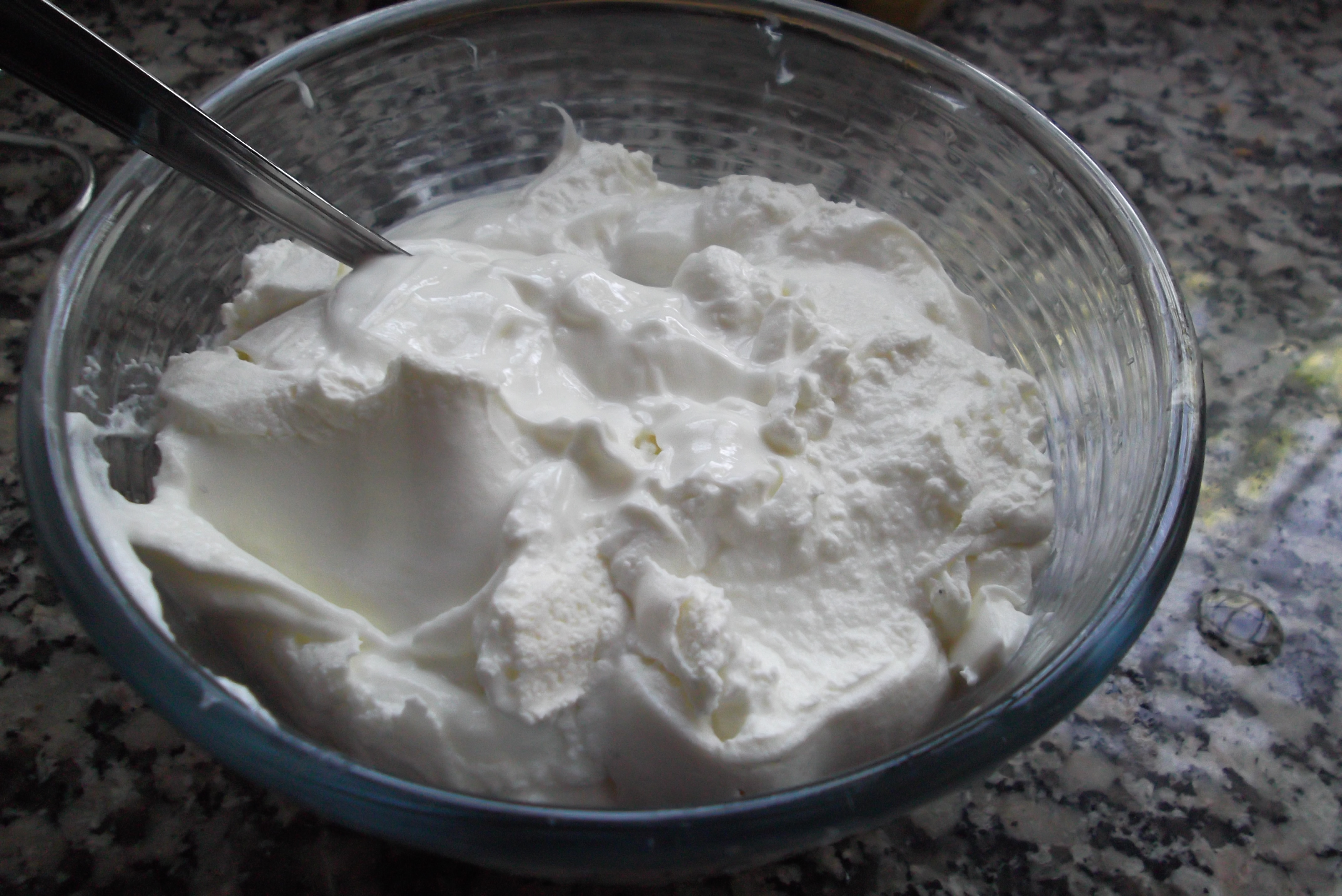
and a lovely bowl of super thick and creamy yogurt (give it a beat to loosen it all up, then keep chilled).

The finished product

If you keep back two or three tablespoons, you´ve got your starter for the next batch.

What you do with your delicious yogurt now is only limited by your imagination….!

Potato and Broccoli Tortilla

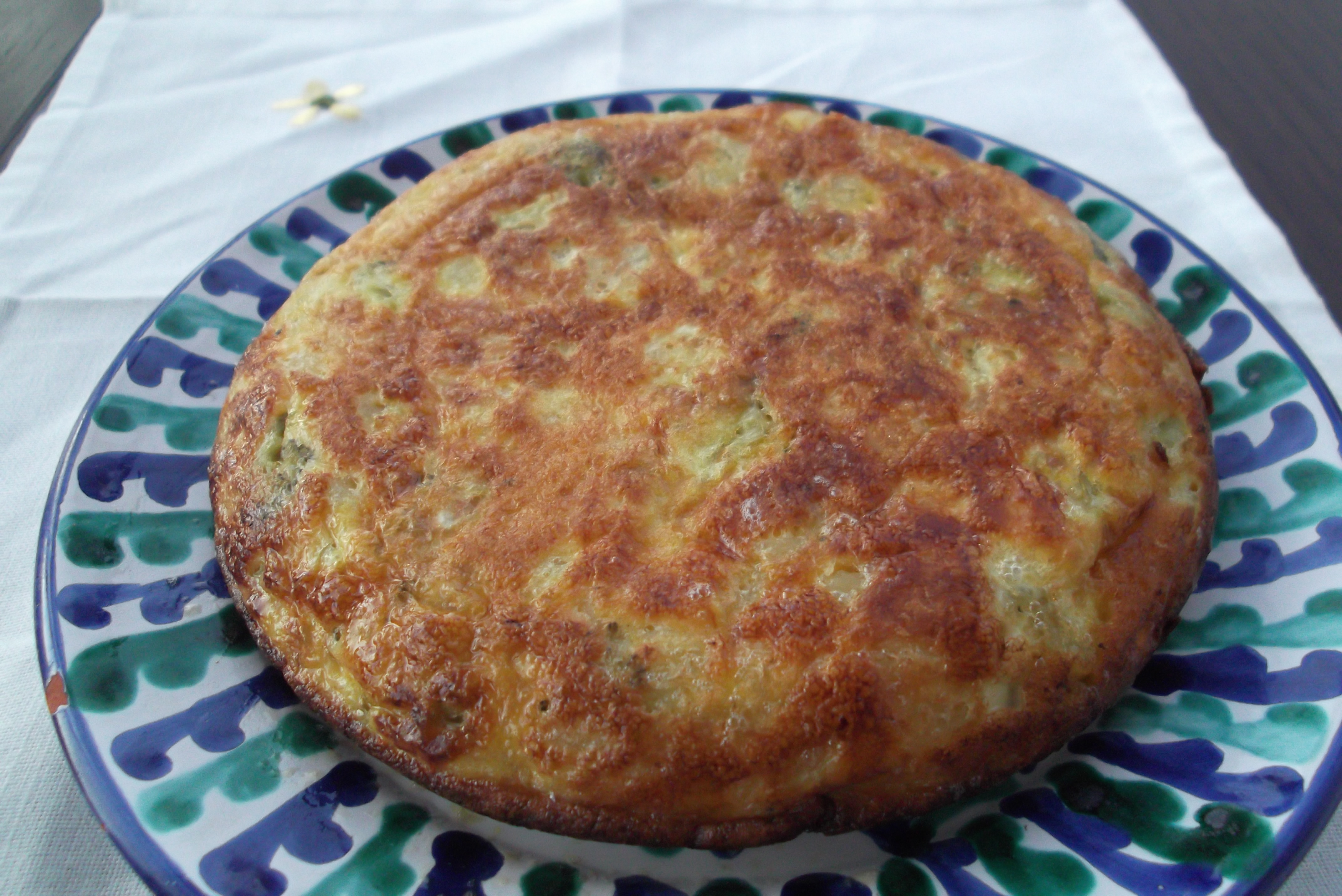
A tasty tortilla

Now, I´m not laying claim to this being the most authentic of Spanish tortillas. For a start, the most famous is the potato one, sometimes with onions added.  Secondly, the potato is cooked from raw in a fairly significant amount of olive oil, very slowly until tender. It´s wonderful, but when I´m at home I try to cut out a few calories and this is how I make my tortilla. To be honest, no one seems to have noticed the lack of oil!

For a Spanish tortilla to be successful, i.e. to be able to turn it over half way through cooking without ending up with an eggy mess all over the kitchen floor there are a couple of things which I have found help in the process:

  • A large quantity of filling in relation to egg – the egg just binds the ingredients together
  • A deep high sided pan (you´ll see from the photos that mine is very old and battered but it´s perfect for making a one person/two egg tortilla and I won´t throw it away!)
  • A very, very low heat
  • A lid to put over the tortilla in the first stage of cooking
  • Slow cooking, it takes patience, this is not a speedy French omelette

So, for one person, this is what I use, just multiply the ingredients for more people and of course, use a bigger pan! This makes a tortilla large enough for a decent supper or light lunch, served with salad, bread and of course a glass of wine.

  • Two eggs
  • Cold cooked, peeled potatoes
  • Any other vegetable, cooked, that you want to use in your tortilla
  • Salt and Pepper
  • About a tablespoon of olive oil
  • A tablespoon of milk

Start by putting the oil into the frying pan and then chopping your potato into small chunks.  Also add the vegetables if using. You want the potatoes and vegetables to fill the pan almost to the top.

Warm them through turning them over gently so that they are all covered in the oil for a few minutes.

This slideshow requires JavaScript.

In a bowl beat the eggs, seasoning and milk with a fork then add the potato mix to the eggs and mix it all in gently with a spoon.

You should have a little oil left in the pan, but if not a tiny splash extra will be sufficient.

Pour the egg and potato mixture into the pan, turn the heat down to the lowest setting, put the lid on the pan and then leave the bottom half to cook slowly.  Depending on how large your tortilla is, this could take a while.  The two egg tortilla takes about 10 minutes.

Every so often, press gently on the sides with a wooden spoon or spatula to see if it is browning underneath. When it is a lovely golden brown and the top is set, it´s time to flip it over!

You can use a plate, or two plates (tip out onto one plate, invert onto another and then back into the pan).  I have a plastic tortilla “flipper” which has a small handle underneath.  You turn the tortilla onto it then slide it back into the pan.  A flat saucepan lid would work just as well.

Now turn the heat up a little, leave the lid off and cook for about another 4-5 minutes until the bottom has turned the same lovely golden brown.  Leave it to stand for a minute or two once it is cooked, then turn it out onto your plate and enjoy.

Thanks go out to JamieAnne at A Dash of Domestic for her wonderful tutorial on how to insert a slide show!